Graham Lewis on ‘Time Is Now’ at Etcetera Theatre
After the success of our 2025 Camden Fringe Interviews, we thought it only right to attempt a repeat for 2026. So throughout July we’ll be publishing new interviews each day to give a taste of what to expect from London’s best fringe theatre festival. The festival starts Monday 3 August this year, so we may give ourselves a couple of days off inbetween the end of the interviews and the first shows… then again, we might not.
You can find out more about Camden Fringe, along with details of every show playing this August here. You can also find all of this year’s interviews as they are published here.
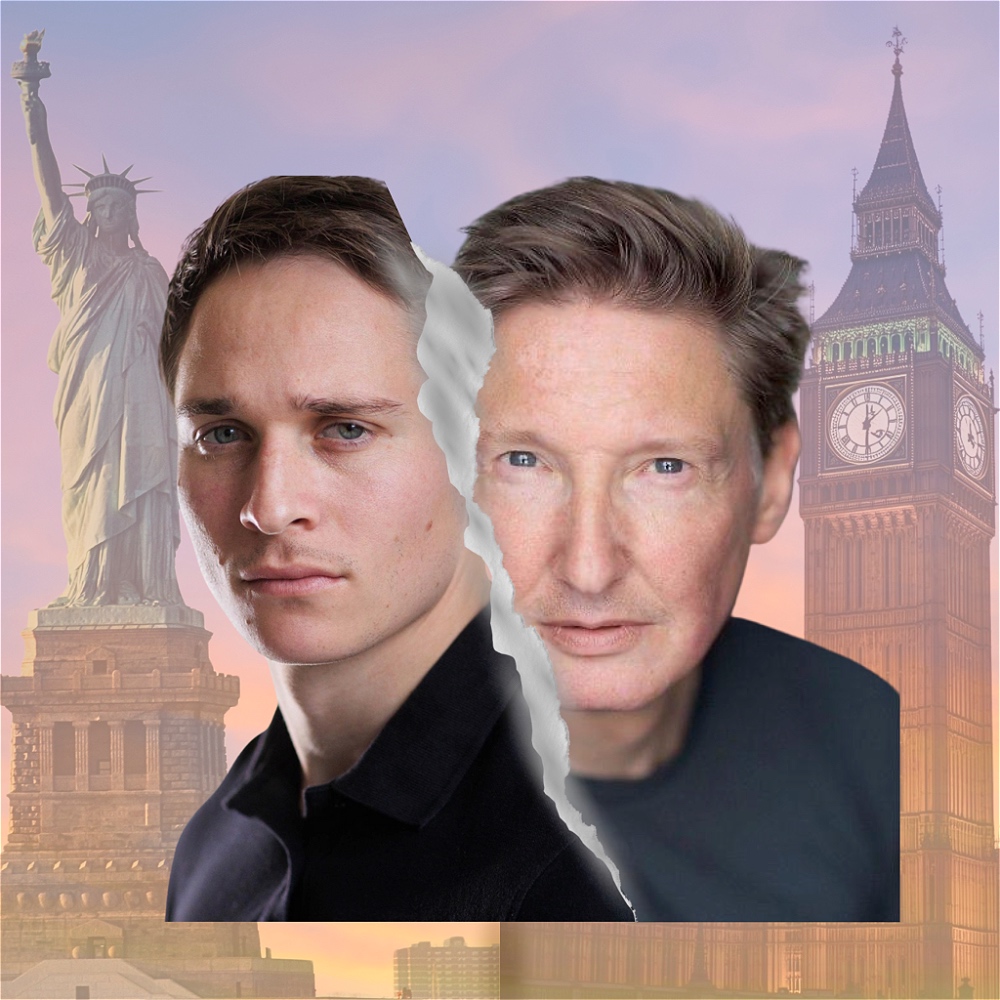
What happens when a single split-second event from nineteen years ago resurfaces over the course of one night? You get Time Is Now, a taut, Pinteresque drama exploring the fragile threads of father-son relationships, buried family truths, and the quiet horror of the “what ifs” in life.
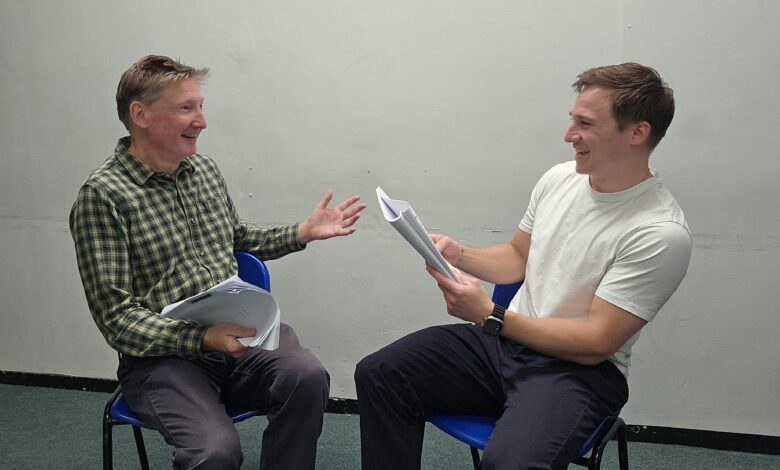
Heading to the Etcetera Theatre this August for Camden Fringe 2026, the play is written by and starring Graham Lewis alongside his longtime collaborator Chris Kelly. Born out of the poignant realisation of seeing your parents as flawed adults rather than just authority figures, Time Is Now blends sharp subtext, unexpected humour, and emotional tension into a gripping theatrical pressure cooker.
We sat down with Graham to talk about scratch night feedback, Arthur Miller inspirations, and why theatre in 2026 should always leave audiences with more questions than answers.
If you had to describe the vibe of Time Is Now in just one sentence, what would it be?
An emotional weather front; awkward at first giving way to unsettled humour, becoming stormy later, occasionally menacing.
Why is 2026 the right time for audiences to see this play?
Everyone is telling us what we should think! Theatre should leave you with more questions than answers.
Where does the title “Time Is Now” come from?
The major theme of the play is about family secrets and why they are kept, but as I was writing, this other “meta theme” emerged about time itself. The play is set over the timeframe of a single night that has been 19 years in the making, with a showdown revelation about an event that took place in a split second. In the script, there are echoes of things that bounce around in time and one of the characters says the line “the time is now,” which is when the two characters’ timelines irrevocably flip. It’s about those single moments in time when everything changes; ultimately the “what if” moments we have all had in our lives.
What was the “eureka moment” that made you realize this story had to be told?
It was just a personal thing of reaching an age where both my parents are gone and you learn family secrets at funerals. You begin to understand your parents as the adults they were, but you didn’t realise it when you were a kid because you are just relating to them as a parent figure. I don’t think it is a “now story” for everyone, but it is a story that everyone comes to at some point in their lives.
How did the play evolve from your initial draft to what we’ll see on stage?
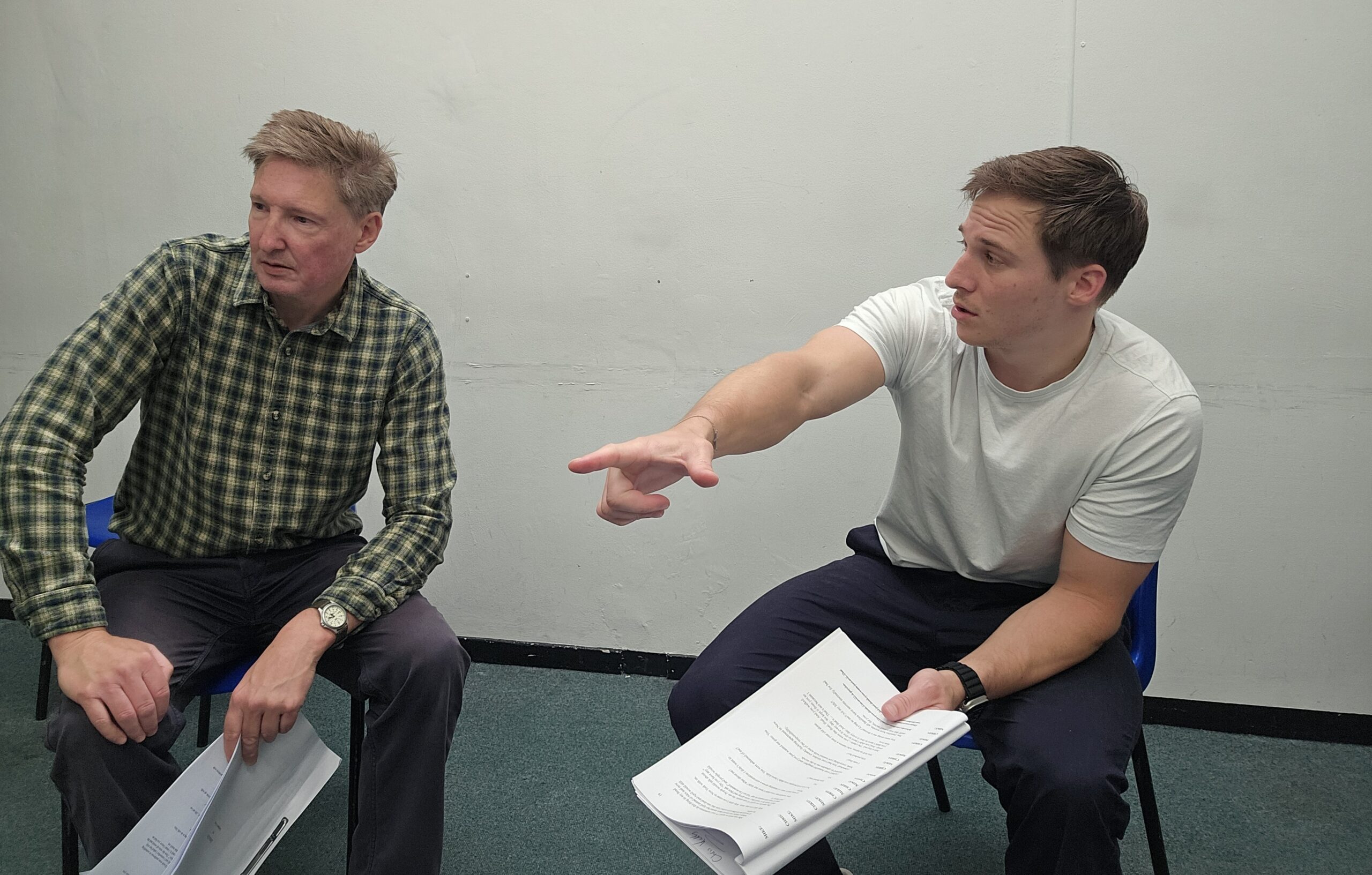
Graham: This is fundamentally the original idea: a father and son attempting to reconnect with the ghost of a family secret apparating before them. Some things were tweaked and extended after we did a scratch show at the Cockpit Theatre where we got some audience feedback. Scratch shows are invaluable for things like that. We had a couple of people at a scratch night saying it was very Pinteresque, which is a great compliment! There is certainly a particular tension and subtext at times, but the script has some laugh-out-loud moments to ease the tension.
What makes the dynamic between you and your co-star Chris Kelly work so well?
Me and Chris went to a drama school in Islington together. He was the youngest and I was the oldest, but we clicked because we can both jump back into being 12-year-olds again just messing about. We have never had an argument about anything that lasted longer than 2 minutes!
How important is audience interaction and engagement for this show?
Huge. If you can get the audience to laugh and also collectively hold their breath in a show, then you have achieved that magical thing that only theatre can do. If you can see them checking their phone, you know you have lost! A theatre show only comes alive with an audience and transforms into something that you never quite get to in rehearsal.
If you had to describe Time Is Now as a colour, what would it be?
Magenta! Definitely magenta. It has a deep, lush, and mysterious quality that draws you in. It can be soothing and scary. Different people see different things in it, which hopefully is like our play.
If your show had a soundtrack, what song would definitely be on it?
New Order’s Your Silent Face. We use the instrumental as the intro; it is so melodic and seemingly simple and opens out, without giving any clue as to what then transpires. The lyrics then deal with emotional withdrawal and isolation, which is how the character Mike has been living.
What’s the most unconventional prop used in your show?
There’s a scrapbook of old newspaper clippings that becomes pivotal to the exposing of the secret. It solved the writing problem of how to do the reveal in a theatrical way. I’m quite proud of how it works, though in truth the idea is “heavily inspired” by Arthur Miller’s All My Sons, which is a favourite play for both me and Chris.
Many thanks to Graham for spending some time answering our questions. Time is Now plays at Etcetera Theatre from Wednesday 19 to Sunday 23 August as part of Camden Fringe.