An impressive, youthful exploration of dance and drama whose electrifying synapses capture a frenzy of physical display. Rating
Excellent
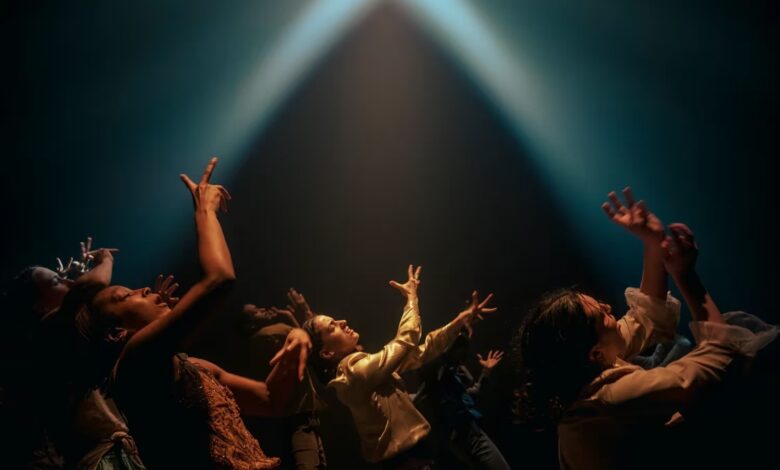
Hofesh Shechter’s choreography in IN THE BRAIN is dynamic and visceral, capturing a range of emotions with raging energy and a pulse that never rests – even in moments of quiet reflection. Shechter II’s performers are gifted the talent of dramatic lighting designed by Tom Visser, which creates changing atmospheres with style; from arcs to angular shafts, tubular columns or floods as the lit dancers are silhouetted, shadowed, and engulfed, all helping to change form and perspective.
Shechter II lifts emerging talent aged 18-25 from across the globe to participate in the highest standard of professional work, offering a window into highly creative, expert-led productions. IN THE BRAIN is based on the original work CAVE by the Martha Graham Dance Company, which this performance seems to stand on the shoulders of. Graham would not be disappointed with such creative endeavours, as the Shechter II development programme crosses borders, ages, and genders to bring young people in touch with professional standards, inspiring younger audiences across Europe. Bravo to that!
The smoke-filled auditorium raises anticipation and with lights to blackout we hear the suggestion of water dripping, running, flowing, both controlled and erratic. In the seeping light, we can make out the physical reflection of these sounds as 8 dancers establish varying rhythms and postures. We forget to look for a linear narrative but rather get drawn into the expressive movement and changing dynamics, appreciating how the bodies occupy space, share unified moments but also work as individuals.
Identity shifts and power dynamics clash, complemented with costumes by Osnat Kelner offering skirts, kilts, shifts, shawls, vests, suits, and socks. The socks give terrific focus to foot work where we can so clearly see the strong groundwork; the digging in, the earthy connection, soles shown off with stiff legged performers, elevated arches or prancing heel toe skips. A real connection to the floor is evident – all against a music soundscape that pulsates and throbs, guiding our emotions. Hands, wrists, and arms work in contrast as they twist and clasp the air softly.
The group moves with ease across the performance space like an amoeba, forming and reforming, bursting with individualism then recalling the unison group work, only to shatter. Sharp, jagged lines razor across the space with slashing organised chaos at times, even frenzy. Yet, symmetry is quickly held, snapping into line formation momentarily, before transitioning to another thrusting torso which allows for a display of dynamic tension with dramatic physical oppositions evident.
The lower half of the bodies may be frenetic, but hands stretch high in supplication, soft and relaxed. The group works as one but moments of independence thrill, with the blue-suited solo or the nightie-clad dancer ravaging the space with abandon only to be quietened down by an approaching calm presence. Graham’s view on natural rhythms and instinctive exploration of space is captured with gusto. Many moments impress; for example, when the company lie flat on the floor in formation raising to an arc position, using the breath with rhythmic contraction and release.
The company excite, repel, confuse, and elucidate with their ravenous use of space and physical abandonment. The work is impressive, the project laudable, the performance remarkable and if I were you, I’d rush along to the Queen Elizabeth Hall.
Read more about Shechter II in our recent interview with Senior Producer Lucy Monkman.
Choreography and music: Hofesh Shechter
Lighting design: Tom Visser
Costume design: Osnat Kelner
Associate artistic director: Bruno Guillore
Sound collaborator: Frédéric Despierre
Rehearsal directors: Chien-Ming Chang and Yeji Kim
Technical manager: Paul Froy
Technical stage manager: Ashley Bolitho
Relighter: Alan Valentine
Additional music: Âme (Kristian Beyer & Frank Wiedemann) licensed by arrangement with INNERVISIONS
IN THE BRAIN plays at the Queen Elizabeth Hall until Saturday 25 July.