Ella Talerico on Dregs at The Libra Theatre Cafe
After the success of our 2025 Camden Fringe Interviews, we thought it only right to attempt a repeat for 2026. So throughout July we’ll be publishing new interviews each day to give a taste of what to expect from London’s best fringe theatre festival. The festival starts Monday 3 August this year, so we may give ourselves a couple of days off inbetween the end of the interviews and the first shows… then again, we might not.
You can find out more about Camden Fringe, along with details of every show playing this August here. You can also find all of this year’s interviews as they are published here.
We are trapped inside a loud, unruly rubbish heap of pointless plastic and non-stop algorithmic noise. We scroll, we consume, we buy fast fashion we don’t need, and we instantly pick our phones back up two seconds after vowing to touch grass.
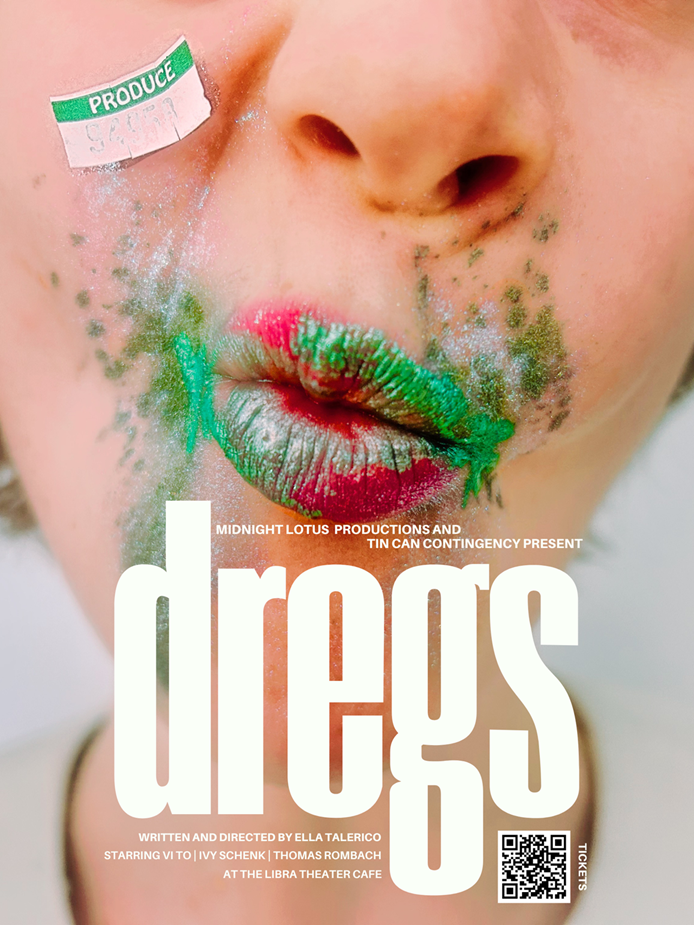
This August, Midnight Lotus Productions and Tin Can Contingency are turning that modern spiritual paralysis into high-octane clowning. Coming to The Libra Theatre Cafe for Camden Fringe 2026 before transferring to the Edinburgh Fringe and New York City, Dregs introduces us to Fisch and Neck: two sticky, raunchy, ravenous clowns scavenging for meaning in a capitalist wasteland.
We sat down with writer and creator Ella Talerico to unpack the terrifying phone addiction that sparked the script, the transformation of Waiting for Godot into a critique of modern womanhood, and a genius, zero-waste fringe set design that the actors simply wear on their backs.
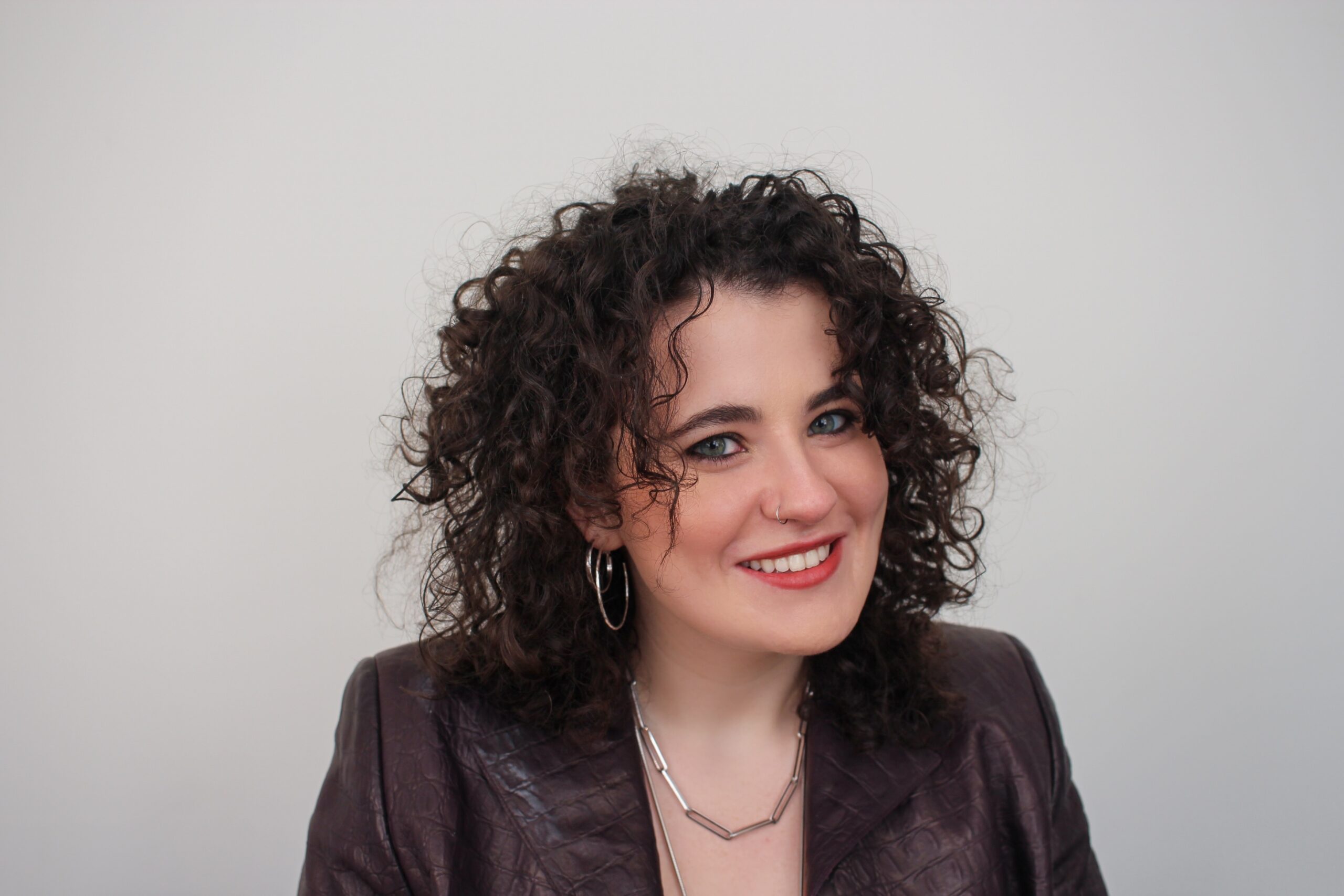
If you had to describe the vibe of Dregs in just one sentence, what would it be?
Two sticky, raunchy, hungry clowns search for meaning in a spiritual wasteland overflowing with the detritus of a wealthy, industrial economy… supper tonight? A plastic yellow duck and a barely-used bralette… yum!
Why does 2026 feel like the absolute tipping point for a show like this to be seen?
I feel more entranced, and subsequently sickened, than ever by the sheer overwhelm of products and content thrown at us daily. We’re drowning in excess; excess advertisements, excess news, excess social media content, excess commodities, and I feel numbed by it, as if my ability to think and feel has been stunted by a loud, unruly rubbish heap of pointless plastic and noise. I also feel, simultaneously, this overwhelming feeling of dread and anxiety. Dregs was born from a need to laugh through the overwhelm of today’s heartache, and from a need to tease out the various external structures and internal impulses that support rampant consumerism, waste, and numbness. But first and foremost, we need a good laugh, and I’m hoping Dregs can provide that.
Was there a specific “eureka moment” that made you realize you had to write this play?
I was sitting, quite depressed and distant, in my room one day, and I picked up my phone to go on social media. Two seconds later I threw the phone back down thinking to myself, “Ah, stop it! What are you doing? Get out into the world, be present!” Two seconds later… I pick up the phone again.
It terrified me, this addiction, this reliance on this radioactive piece of machinery that separated me so heartily from life and being present with the world around me. I then thought of how many clothes sit in my closet unworn, fast fashion, all the food that has been chemically modified to last longer or be more addictive, fast food… and all these thoughts coalesced into Dregs.
I think this impatience and this dependent, toxic relationship we have with our phones and with the objects that we own is insidious, and I think it contributes meaningfully to the desensitization and discord at the heart of, at least in America, the slow stripping away of hard-earned rights. Writing Dregs was a way for me to awaken myself and become more present with my own numbness. It helps me laugh in the face of overwhelm and look at what’s overwhelming me with honest eyes.
How much has the script shifted since you first put pen to paper?
It has changed so much! I first started writing this play last May, and funnily enough, in the beginning the play felt and looked a lot like Waiting for Godot. But since then it has gone through several workshops with a lot of talented physical and comedic actors, particularly female actors, and has become far more specific to the modern dilemma of consumerism and how that intersects with womanhood. I wasn’t originally expecting to explore that specific intersection, but through the collaborative workshops, it naturally evolved.
So it has slowly diverted further away from its Beckett origins, though, of course, the absurdist wasteland still holds echoes of that Beckett style. It used to be 90 minutes as well. As I shortened it and made it as specific as possible, I realized that it was very important to me that the heaviness of the themes never clouded the buoyancy and comedy of our two central characters, Fisch and Neck. This past year has been a difficult and rewarding process as I learned, through trial and error, how to ensure that every single page holds its own hilarity. It’s essential to me that the audience finds hope in how Fisch and Neck are able to find buoyancy and laughter, even in the face of all the dread they theoretically could feel as they inhabit the Spiritual Landfill.
Tell us about your production team and the ensemble dynamic.
The creative team, Thomas, Ivy, Vi, and I, all met in college and have been working together for quite some time; a few of us even live together now! Mrin, the head of Midnight Lotus Productions, approached me about producing Dregs at Camden, partly because she remembered my work from college, as she’s an alum as well and that’s how we originally met. I think this closeness, intimacy, and long-standing community thoroughly permeates the work… you can really feel the love between us on stage, which I think is incredibly important.
Fringe festivals demand minimal staging. How did you manage to build a “landfill” under those restrictions?
In the script, the physical space is described as: “A Spiritual Landfill. Empty of Everything Important.” The big creative question became how to create a distinct feeling of overwhelm and material excess within the exciting physical restraints that fringe festivals require. I’m very excited about what we came up with!
The concept our costume designer, Maggie Young, and I developed is that the entire set, props included, will come entirely from the costumes themselves.
Our two actors, Ivy and Vi, will step on stage wearing two massive, custom coats constructed out of rubbish, plastic toys, and anything related to consumerist excess. Ivy and Vi will be, by virtue of wearing them, the physical “spiritual landfill” that they inhabit.
At the top of the show, they will remove these coats and place them on stage. Through this action, the coats smoothly become the physical set, and all the props related to the show will be pulled dynamically from hidden pockets and architectural folds within the garments. When the show is over, the actors simply have to put on their coats again, and the show is completely struck in under 60 seconds.
If you had to describe the show as a color, what would it be?
Bright, vivid, neon green. Because it is a natural colour pushed to its most unnatural, sickly, overly rich state. This encapsulates how Dregs explores the way natural human impulses; greed, the desire for pleasure, or ease, have been pushed to their ugliest, most synthetic ends.
What kind of culinary landscape can we expect from Fisch and Neck?
Well… I don’t want to spoil anything… but let’s just say I wouldn’t put it past Neck or Fisch to eat an empty, crushed diet soda can or a moldy, rotting carrot live on stage. In fact, we have had to cleverly create “fake mold” for some of our edible props, and that has been quite the delightful production challenge. If sex jokes were a seasoning, there would be a healthy seasoning of raunchy humour over everything, as well!
If you could perform Dregs anywhere else in the world, where would it go?
At the top of the highest ocean gyre landfill. Or right in the middle of the largest Amazon factory or fulfillment warehouse. The “Spiritual Landfill” in Dregs already exists today. It is a mindset, and that mindset is physically embodied by both of those places.
If your show was a drink at the bar, what would be the ingredients?
If the show were a mixed drink at The Libra Theatre Cafe bar, it would be an “Everything and The Kitchen Sink” Drink:
- Ingredients: A shot of every single alcohol available on the speed rail (oh yes, we are getting drunk tonight!), a splash of every juice from the gun, an olive, a lime wedge, a lemon slice, and a glacé cherry.
- The Garnish: A crumpled bar napkin smushed directly into the bottom of the glass.
Fisch and Neck are nothing if not maximalists, and this drink perfectly reflects the chaotic, landfill-like nature of their habitat.
And finally…
We come from America! We’re so excited to be at Camden! Thank you for having us! We hope you will join Fisch and Neck in their wild, hilarious search for meaning in the unwanted detritus of a wealthy, industrial economy!
Many thanks to Ella for battling the time difference to chat with us all the way from across the pond. You can catch Dregs when it plays at The Libra from Monday 17 to Wednesday 19 August.