Xinyue Xing on ‘The Final Exam: Gao Kao’
After the success of our 2025 Camden Fringe Interviews, we thought it only right to attempt a repeat for 2026. So throughout July we published over 60 interviews to give a taste of what to expect from London’s best fringe theatre festival. The plan was to stop there, but as shows are still coming to us asking for interviews, we thought we’d do a few more! But we have to stop soon, we’re also very busy seeing the shows now.
You can find out more about Camden Fringe, along with details of every show playing here. You can also find all of this year’s interviews at here.
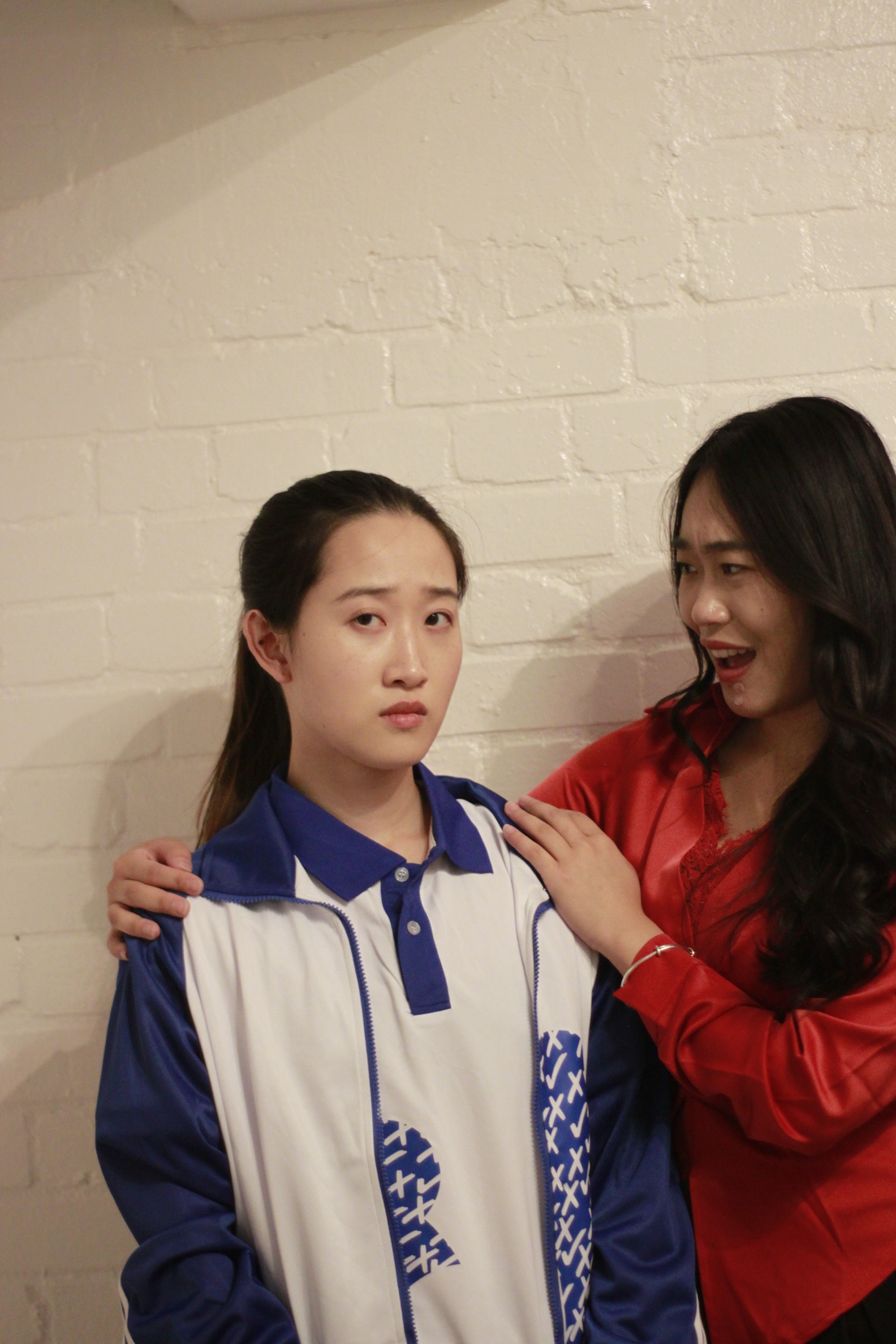
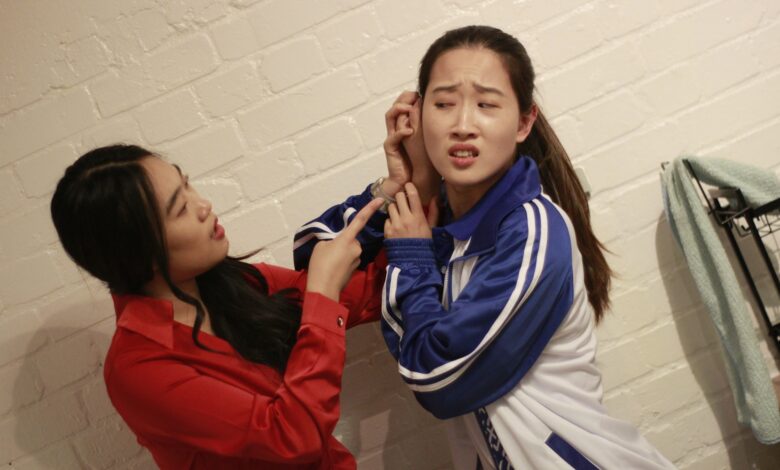
Transforming the high-stakes terror of high-stakes testing into a psychological landscape of movement, video, and combat, The Final Exam: Gao Kao explores what happens when young people are taught to see their worth purely as a score. Written and directed by Xinyue (Sammi) Xing and presented by The Whisper Current Productions, the show turns a standard classroom into a brutal battlefield of memory and expectation. Heading to the Bridewell Theatre this August, Xing, aong with Le (Bella) Cai, sat down with us to discuss physicalizing invisible pressure, incorporating sign language, and why the journey doesn’t stop at Camden Fringe.
If you had to describe the vibe of your show in just one sentence, what would it be and how does it manifest on stage?
Like a nightmare you can’t wake up from before the exam, the show moves between dark humour and psychological intensity as desks become battlefields, exam papers become weapons, and memory spills into the physical world through movement, video and combat.
Why is 2026 the perfect time for this show to be seen?
Because the pressure to succeed hasn’t gone away, it has simply found new forms. In a world of rankings, constant comparison, AI and increasingly blurred boundaries between achievement and identity, The Final Exam: Gao Kao asks what happens when young people are taught to see their worth as a score, and whether we can imagine a different definition of success.
What was the ‘eureka moment’ that made you realise this story had to be told right now?
I realised I had been waiting my entire childhood for a future that everyone promised would begin after one exam. Then I started asking: what happens to the people who cannot make it to that future? That question became the starting point for the play. I didn’t want to tell a story about the Gaokao through statistics or headlines; I wanted audiences to feel what it is like when an exam becomes a matter of survival. That was when the classroom became a battlefield in my imagination, and the play began.
Is this version how you originally envisioned it or has it changed drastically since you first put pen to paper?
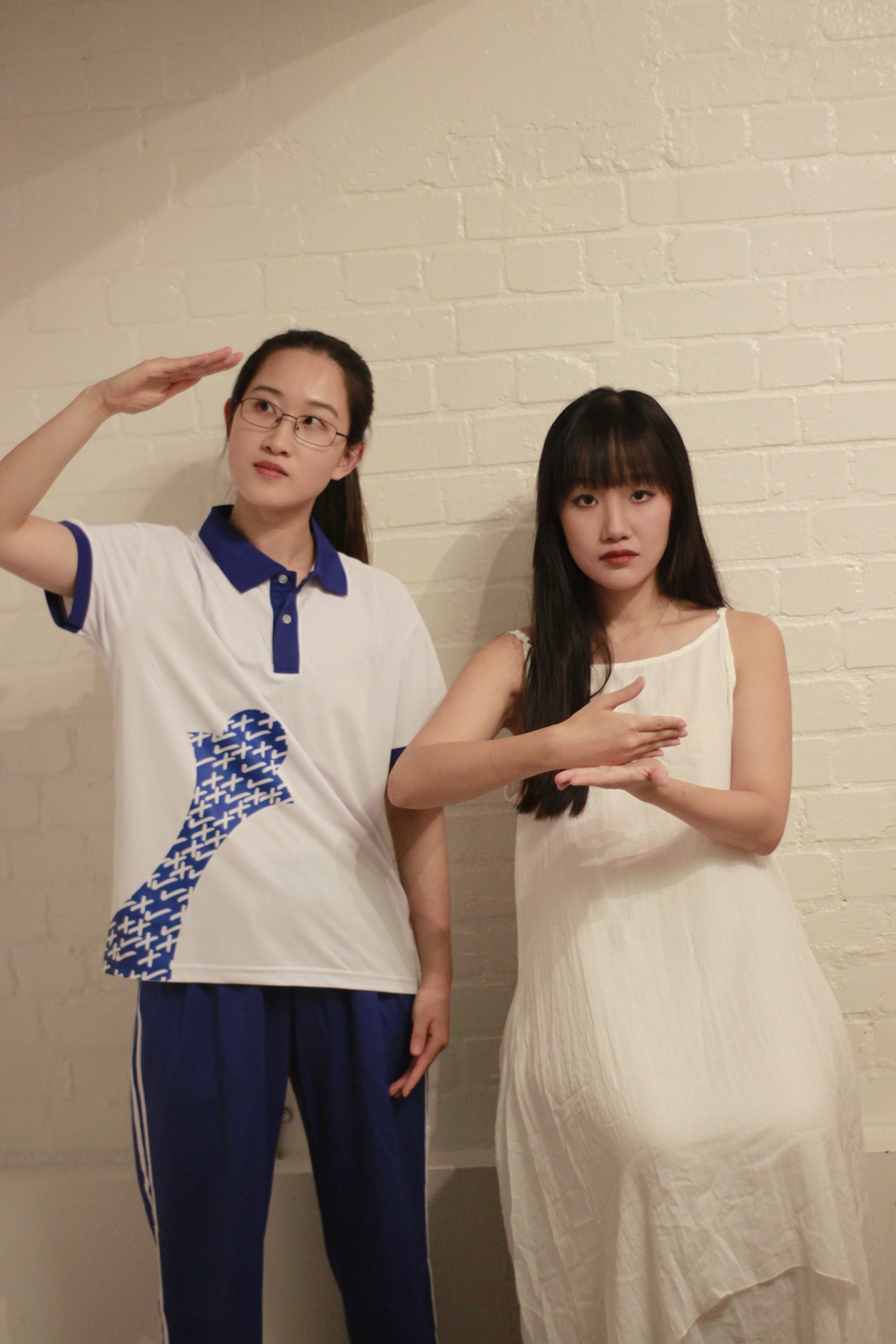
The heart of the play has stayed remarkably consistent, but the way we tell it has changed dramatically. I initially imagined a much more straightforward story about a student facing the Gaokao, but as we developed it, I became increasingly interested in what exam pressure feels like rather than simply what happens. The classroom gradually became a psychological landscape, and movement, multimedia and stage combat became ways of making invisible pressure visible. Some of the biggest changes happened through rehearsal, when the actors’ bodies revealed ideas I hadn’t anticipated when I was writing. So while the central question, “What is school really preparing us for?”, has remained the same, the play we have now is much more physical, surreal and theatrical than the one I first put on the page.
Being fringe and a festival, we all know sets have to be bare minimum, how have you got around this?
We decided early on not to fight the limitations of a Fringe venue, but to make them part of the theatrical language. Rather than building a realistic classroom, we use a small number of highly transformable elements; desks, chairs, exam papers and a few symbolic props, which can become different spaces, weapons or obstacles through choreography and the performers’ bodies. The audience is asked to imagine the classroom with us, while projection and movement expand the physical world beyond what we can fit on stage. In a way, the limitations have helped us make the world of the play more abstract and psychological rather than realistic.
How important is audience interaction to you?
Audience interaction is central to the show because the audience are the other students. They enter the classroom with the performers, sit the exam alongside them and are drawn into the rules, routines and absurdity of school life. The performers may address them directly, involve them in the action or treat them as classmates, so the audience gradually stops being an outside observer. When the pressure of the exam begins to fracture the world around them, they are already inside it.
Are there any plans for what comes next after the show has finished its run – for you or the show?
The journey won’t end with Camden Fringe. We’ll be bringing the show back for two performances as part of Lambeth Fringe on 12 and 13 October at 8pm at Golden Goose Theatre, where we hope to build on what we discover during the Camden run. We are also currently developing plans for an approximately 16-week London residency, with the ambition of taking The Final Exam: Gao Kao beyond the festival circuit and giving the production the time and space to grow into a fuller immersive experience.
What does “success” look like for you this August, beyond just selling tickets?
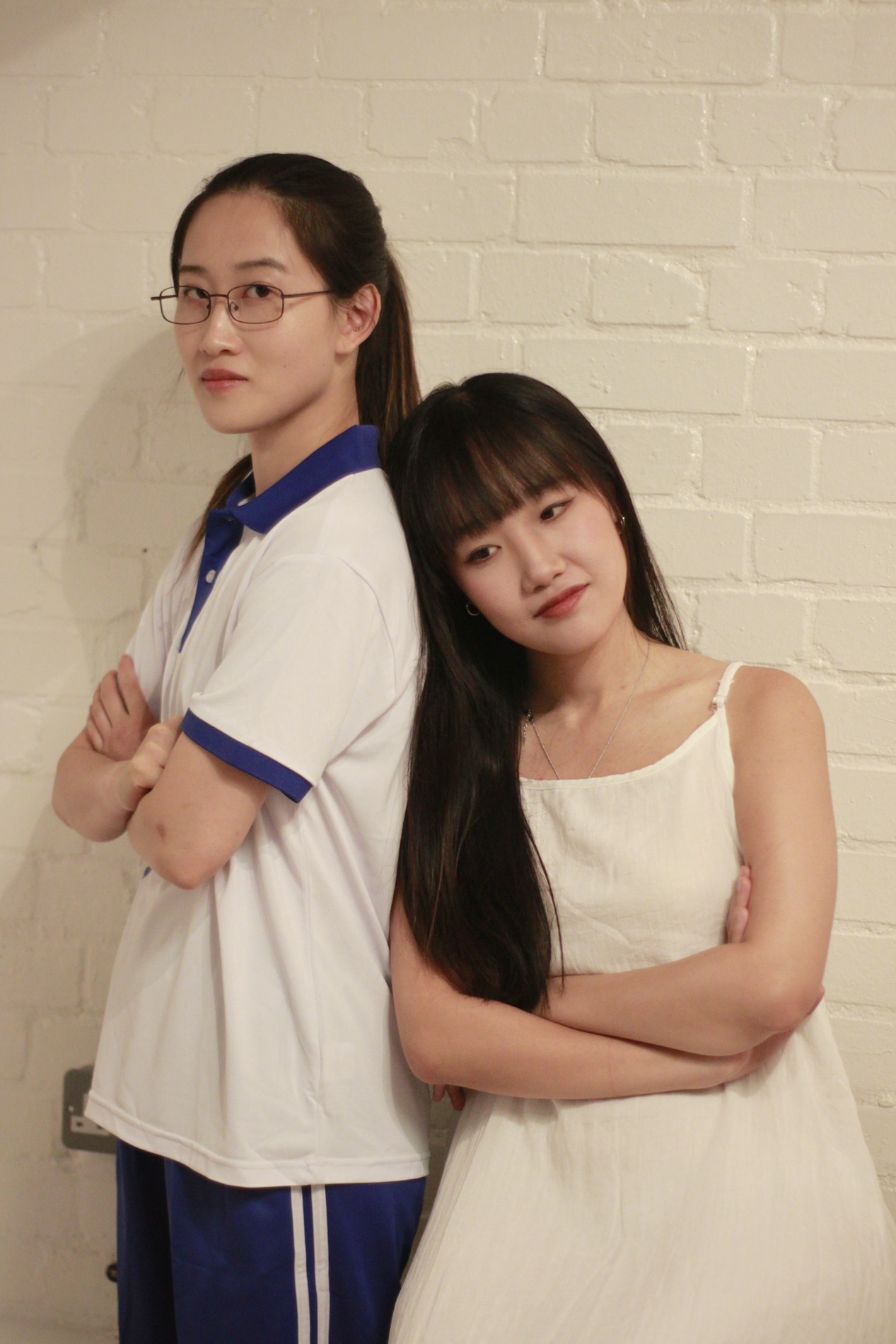
Success for me would be leaving the theatre with people still talking about the questions the show raised, rather than simply remembering whether they liked it. I want audiences, particularly people who have experienced intense educational or social pressure themselves, to recognise something of their own experience in the story, while audiences from completely different backgrounds are given a window into a world they may never have experienced. Beyond that, success would mean discovering what the production can become next: learning from the audience, the performers and the Fringe process, and using that experience to develop the show beyond this run. If we leave Camden with a stronger piece, a stronger ensemble and people genuinely wanting to see where the work goes next, I’ll consider that a success.
If your show had a soundtrack, what songs would definitely be on it, and why?
- “Another Brick in the Wall, Part 2” by Pink Floyd, because it’s almost impossible to think about education, conformity and rebellion without hearing that chorus in your head.
- “Running Up That Hill” by Kate Bush, because the characters are constantly trying to escape pressures they cannot simply outrun.
- “Dog Days Are Over” by Florence + the Machine, because somewhere underneath all the fear and chaos is the possibility of finally breaking free.
What’s the weirdest or most unconventional prop used in your show, and how did it come to be part of the production?
Probably a five-metre-long exam paper connected by ropes. We started wondering what would happen if the exam paper itself became a piece of stage machinery — and somehow ended up making one so long that the actors can physically pull and manipulate it across the stage. We also made a shield out of a giant paper scroll, because apparently even exam materials need to go into battle. It became a way of turning the exam from something abstract into something the characters literally have to fight against.
Many thanks to Xinyue and Le for their time. The Final Exam: Gao Kao plays at Bridewell Theatre on Sunday 23 and Monday 24 August, with two performances each day (5pm and 7.30pm).