Jessica Nlabu on BEIGE
After the success of our 2025 Camden Fringe Interview series, we thought it only right to attempt a repeat for 2026. So throughout July we’ll be publishing new interviews each day to give a taste of what to expect from London’s best fringe theatre festival. The festival starts Monday 3 August this year, so we may give ourselves a couple of days off inbetween the end of the interviews and the first shows… then again, we might not.
You can find out more about Camden Fringe, along with details of every show playing this August here. You can also find all of this year’s interviews as they are published here.
What happens when the pressure to fit in turns into a quiet, systematic erasure of who you actually are? In her brilliant and unsettling physical theatre piece BEIGE, creator and performer Jessica Nlabu tackles the exhausting psychological labour of constant self-editing.
Heading to the Lion & Unicorn Theatre for Camden Fringe 2026, the dark comedy starts innocently enough before trapping both the performer and the audience in a subtle game of forced conformity. We sat down with Jessica to discuss growing up Black in a rural Swiss village, how our modern branding culture forces us to perform 24/7, and why making this show became a vital love letter to the process of unlearning and returning to oneself.
If you had to describe the vibe of your show in just one sentence, what would it be and how does it manifest on stage?
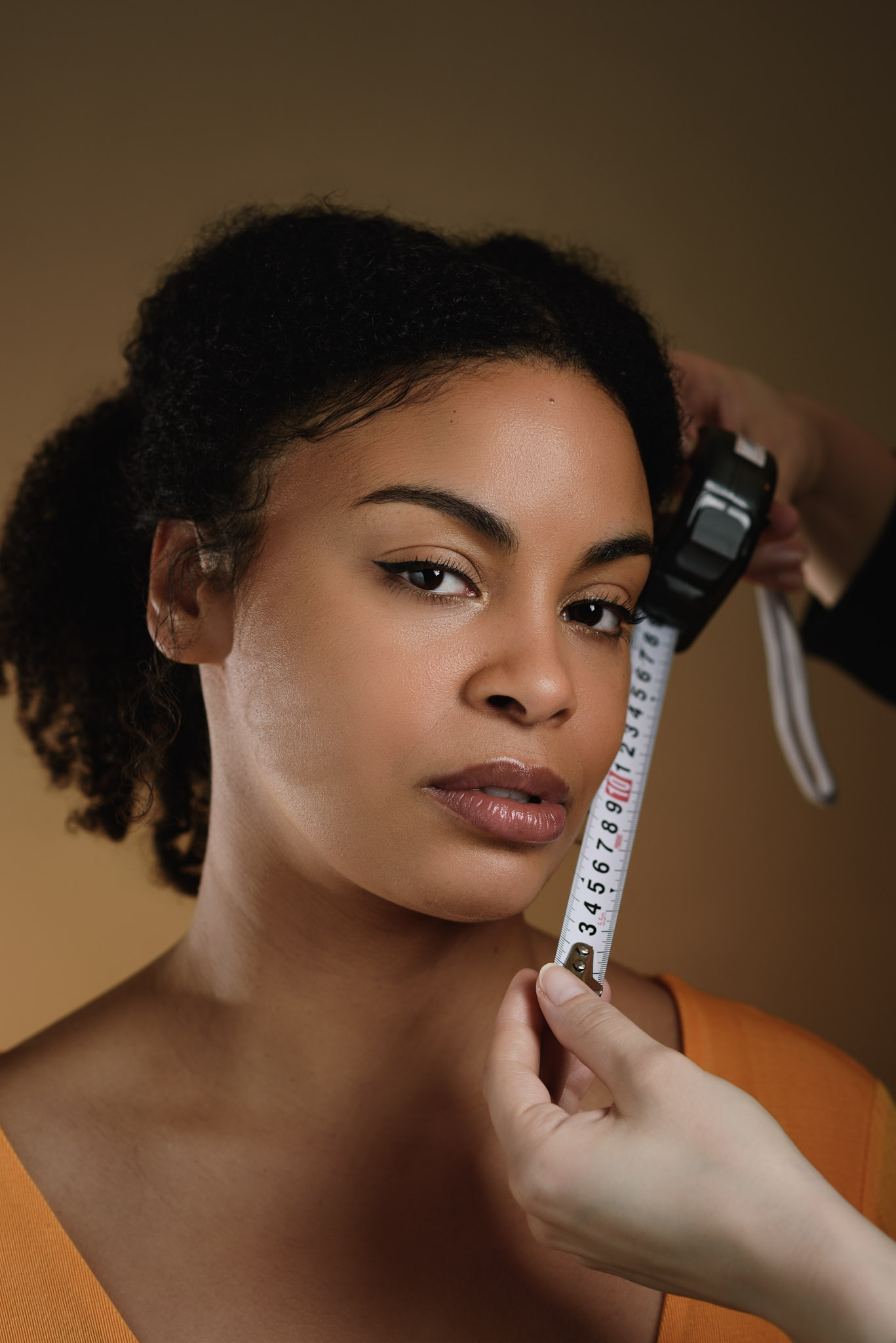
BEIGE feels like walking into a normal audition and slowly realising your personality is the thing being rewritten.
The show starts almost harmlessly. There’s humour, awkwardness, charm. A performer trying to “get it right.” But little by little the room changes. Suddenly every small thing becomes a correction. The way she speaks. Moves. Smiles. Tells stories. Even the parts of herself she thought were safe.
What’s scary is that nobody is openly violent. The pressure is subtle. Seductive even. “We just want you to be more relatable.” “More universal.” “Less difficult.” And before she notices it herself, she starts helping with her own erasure.
On stage, that manifests through sharp shifts between comedy, direct audience interaction, physical theatre and moments that feel almost absurdly familiar. The audience laughs a lot at first, which is important to me, because the show doesn’t point fingers at people. It slowly traps everyone in the same system together.
Why is 2026 the perfect time for this show to be seen?
Because I think we are living in a time where people are becoming brands before they even become themselves.
Everybody is performing now. Online. Professionally. Socially. Politically. We constantly edit ourselves depending on who is watching. Which version gets accepted. Which version gets opportunities. Which version survives the room. And after a while, the performance becomes automatic.
That’s what fascinated me while creating BEIGE. Not just racism, identity or belonging on their own, but the exhausting psychological labour of constantly adjusting yourself to fit into spaces that were maybe never built for you in the first place.
I also think audiences are tired of perfection right now. Tired of polished identities. People are craving honesty again, even messy honesty. And BEIGE sits exactly in that discomfort. It’s funny, unsettling and painfully recognisable at the same time. Especially in creative industries, where people are constantly told to be authentic while quietly being rewarded for conformity.
What was the ‘eureka moment’ that made you realise this story had to be told right now?
I don’t think there was one single “eureka moment,” because in many ways this story has been following me my entire life.
I was born and raised in a very small village in Switzerland, in an environment that was almost entirely white and very white-coded. My brother and I were essentially the only Black children there, and when you grow up visibly different from everyone around you, you become hyperaware of belonging very early on. I believe one of the biggest pains in a child’s life is the feeling of not fitting in. So consciously and unconsciously, I became very good at adapting. I learned how to read rooms, soften parts of myself and perform versions of myself that felt more acceptable, more understandable, less disruptive.
At the time, it felt like survival. But now that I’m a big girl and got my big girl pants on, I can look at it more honestly. I realised I had erased a lot of myself before I even had the chance to truly discover who I was.
I think for a long time I believed belonging meant becoming more digestible. More palatable. Less “too much.” But eventually you wake up and realise you have spent years trying to earn a seat at tables that were maybe never built for you in the first place.
BEIGE was born out of that tension. Out of recognising how external pressures slowly become internal ones, until you can no longer tell which thoughts are truly yours and which ones were shaped by years of trying to be accepted. And now I feel like I’m on a completely different journey. Not one of trying to fit in anymore, but one of returning to myself. Peeling things away and unlearning everything society has poured onto me. Meeting the version of me that existed before the world started telling me who I needed to be.
In many ways, BEIGE is a love letter to that imperfect process. It’s painful sometimes, but also incredibly beautiful. And I think making this piece became part of my own journey of finally getting to know myself.
What does “success” look like for you this August, beyond just selling tickets?
If audiences leave arguing. Not necessarily agreeing, but genuinely discussing what the show brought up for them afterwards. Identity, race, performance, belonging, self-censorship, all of it.
I think theatre is most exciting when it slightly destabilises people. Not in a destructive way, but in a way that makes them see themselves differently for a moment. If BEIGE creates conversations people continue on the train home, I would consider that a success.


If you had to describe your show as a colour what would it be, and why?
Beige. Tragically.
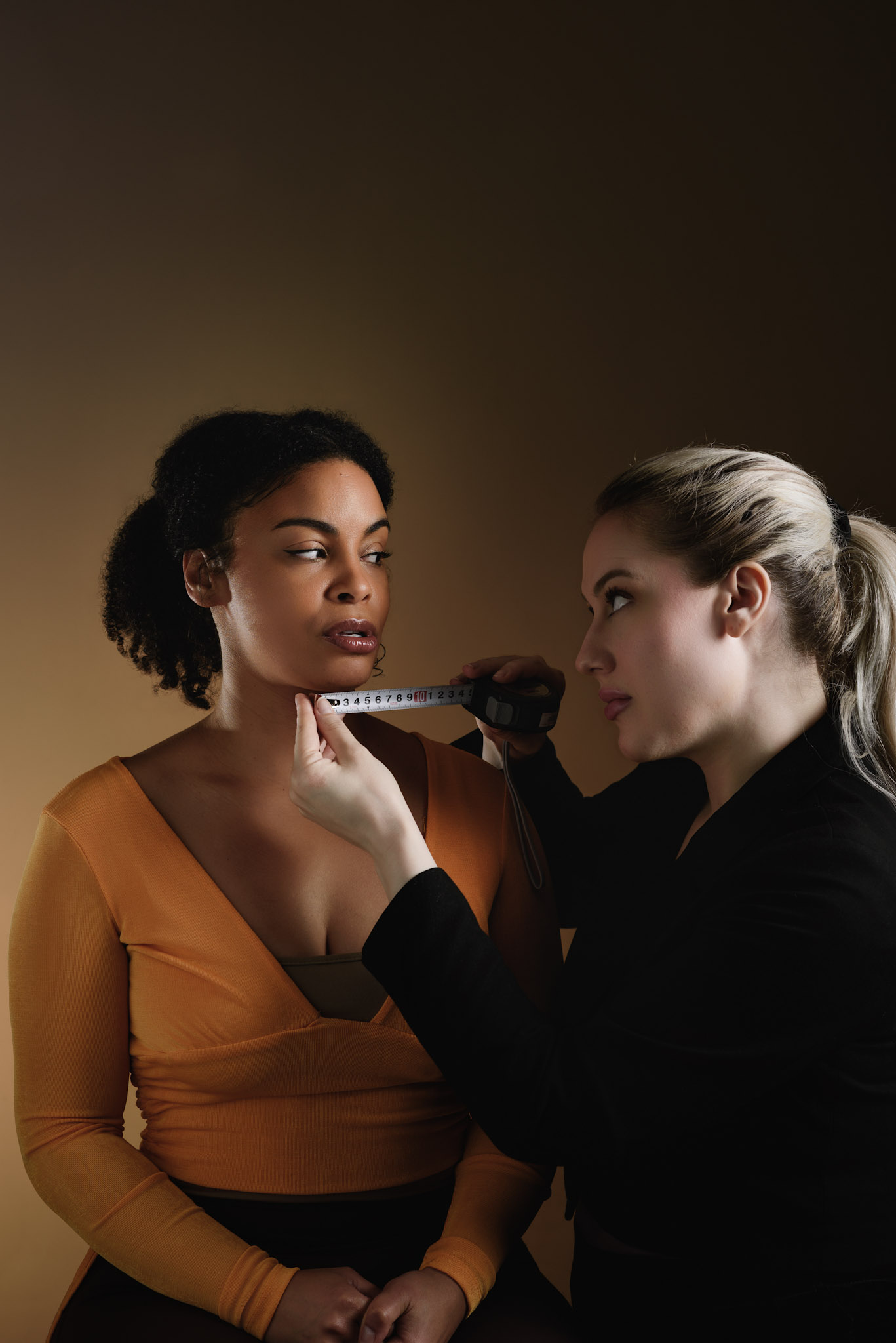
It’s the colour of neutrality, assimilation and trying not to offend anyone. Which is exactly what the show fights against. To me, beige is what happens when a person slowly edits themselves in order to belong. Less loud. Less messy. Less “too much.” Until one day they wake up perfectly palatable and have absolutely no idea who they are anymore.
Write a one-sentence “fake” review of the show from your grandmother.
“My granddaughter spent years being too loud and dramatic. Turns out in London they call that theatre.” — Jessica’s grandmother
Thanks to Jessica her for time to chat. BEIGE will play at Lion and Unicorn Theatre from Thursday 27 to Saturday 29 August.