Lieve de Putter on ‘ECHOES’ at the Etcetera Theatre
After the success of our 2025 Camden Fringe Interviews, we thought it only right to attempt a repeat for 2026. So throughout July we’ll be publishing new interviews each day to give a taste of what to expect from London’s best fringe theatre festival. The festival starts Monday 3 August this year, so we may give ourselves a couple of days off inbetween the end of the interviews and the first shows… then again, we might not.
You can find out more about Camden Fringe, along with details of every show playing this August here. You can also find all of this year’s interviews as they are published here.
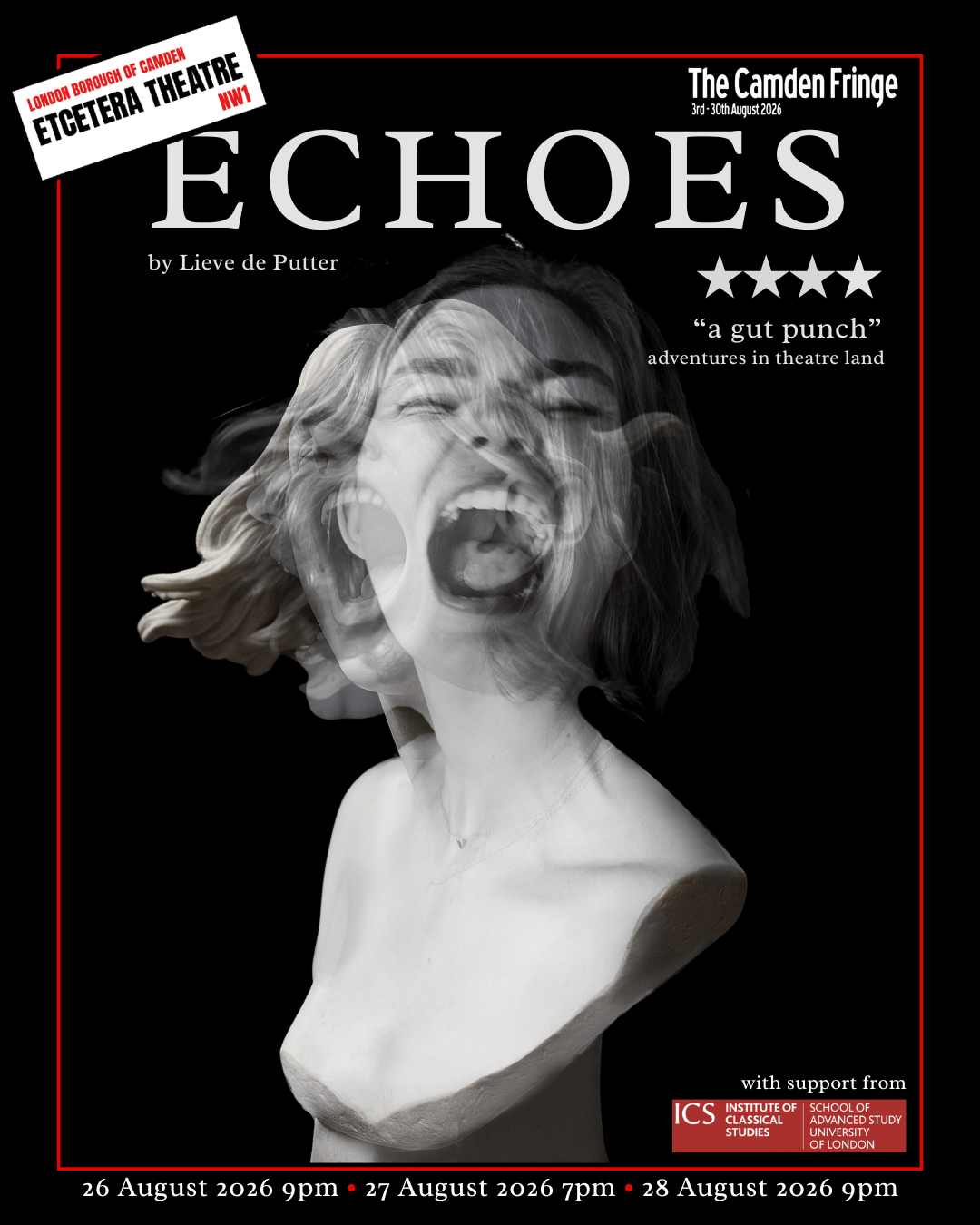
While female retellings of Greek mythology have taken the publishing world by storm in recent years, non-dramatic ancient texts have rarely found their way to the fringe stage, until now. Coming to the Etcetera Theatre this August for Camden Fringe 2026, ECHOES bridges thousands of years of human experience to tackle a deeply intimate subject: the power, suppression, and reclaiming of the female voice.
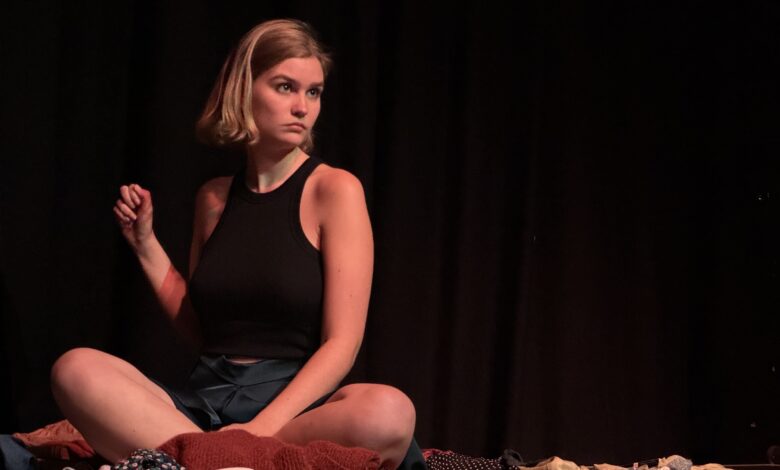
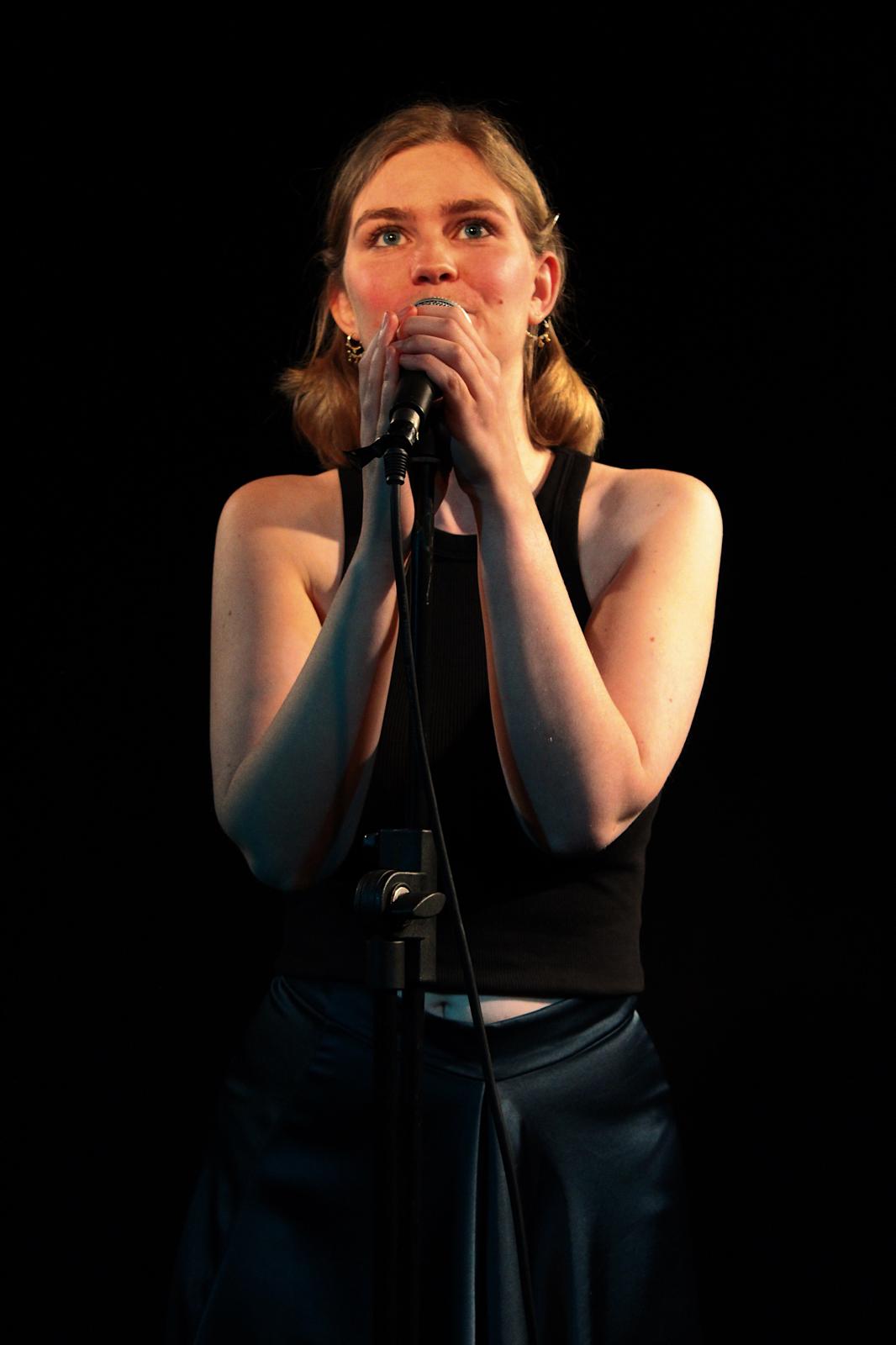
Written and performed by former Classics scholar and actor Lieve de Putter, ECHOES combines personal vulnerability, original translations, soundscapes by composer Tattie Chater Davies (assisted by Emily Rae), and movement direction from Roxana Munoz. The result is a self-aware, confrontational, yet deeply humorous exploration of how women have been silenced across the ages, and how we finally listen.
We spoke with Lieve about bridging academia and theatre, overcoming the fear of being heard on stage, and her initiative to offer free tickets to local Camden communities with support from the Institute of Classical Studies.
If you had to describe the vibe of ECHOES in just one sentence, what would it be?
Evocative, confronting, funny, and resonant: a vulnerable show that will make you laugh before punching you in the gut.
Why is 2026 the crucial moment for audiences to see ECHOES?
We live in a time of unrest and uncertainty, in an increasingly individualistic society that thrives on polarization. This play is trying to do the opposite. It tries to show us that everything we go through now, we have gone through for thousands of years.
That people can’t be erased from history as long as there are people willing to listen to them. It is a feminist show, but one that is aware of both the misogyny and the threat of misandry in the world.
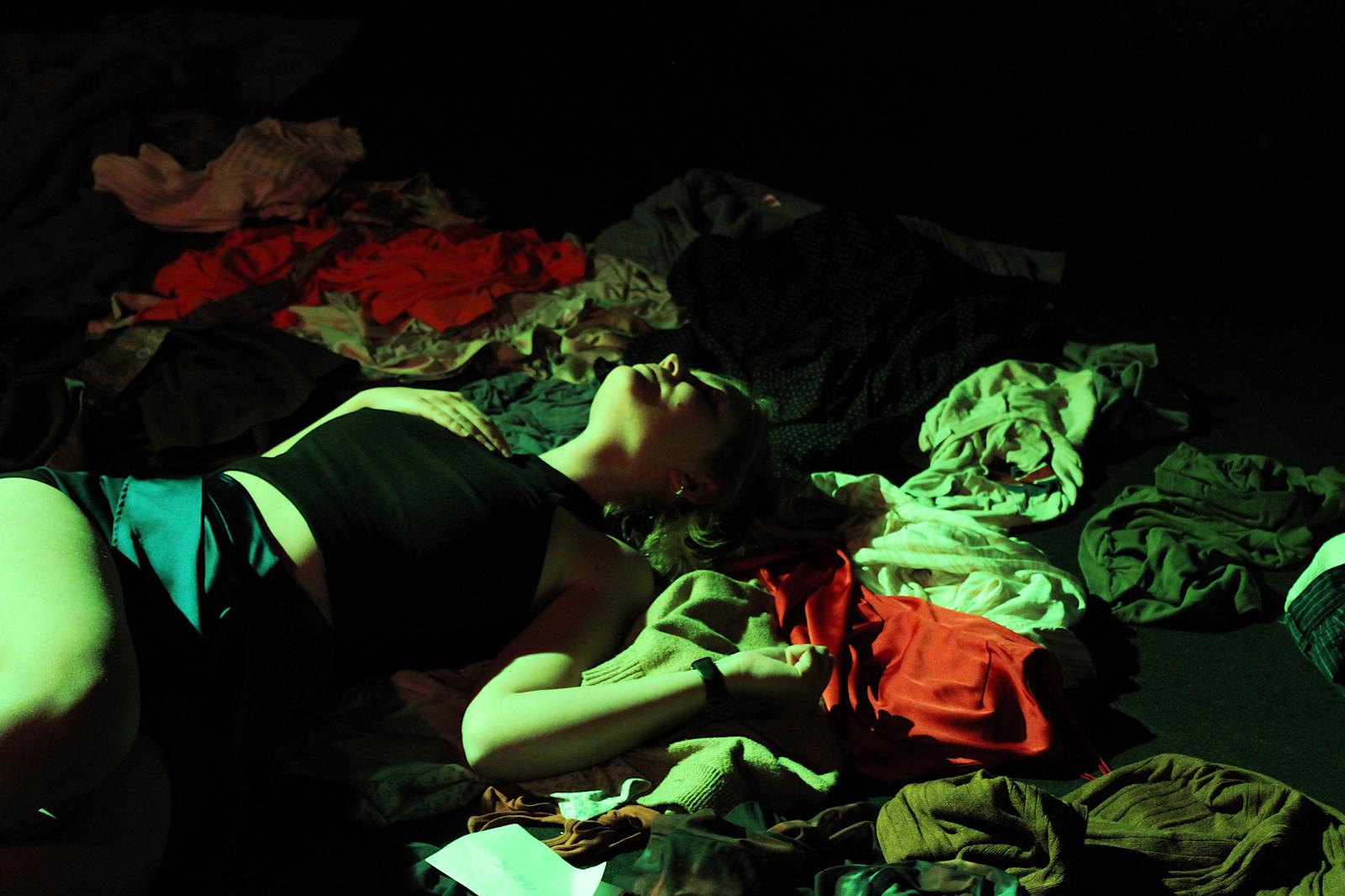
What was the “eureka moment” that made you realise this story needed to be on stage?
I studied Classics before I went to drama school, and I have always wanted to use my knowledge of the ancient languages to retell its stories and make them relevant for a modern audience. Recently there’s been a renewed interest in Classics, especially in retelling its stories from a female perspective.
I remember walking into a Waterstones and seeing a mountain of novels with a female mythological figure as their title, and then I realised that although this is apparently a hot topic in literature, this trend hasn’t yet branched out to theatre: we have new performances or adaptations of plays that centre women (think Elektra, Antigone, The Bacchae), but hardly anyone has dared touch non-dramatic mythological texts. That was something new I could bring to the world.
On a personal level, this show is a story about the voice, and my very inconvenient fear of my own voice as an actor. I researched all the different ways in which women tend to silence themselves, or how they are silenced by society. In my research, memories of myths I had read kept coming forward, and so I decided to combine my experiences as a modern woman with those of ancient women who had been silenced in their own ways, in the hope that I could not only find my own voice, but also give them theirs back.
How do soundscapes and movement lift the poetic text off the page?
I wrote a script that combines poetry with prose, and it needed elements to lift it off the page. I worked with a fantastic composer, Tattie Chater Davies (assisted by Emily Rae), who helped me develop the play in its early stages and added soundscapes to support the stories of the women so that we are transported into their worlds.
I then needed to find different ways for those women to hold themselves, speak, and move through the world; that’s where movement direction came in with help from Roxana Munoz. Working with collaborators allowed me to make the play come alive and get to places I’d never imagined before.
How important is audience interaction to you?
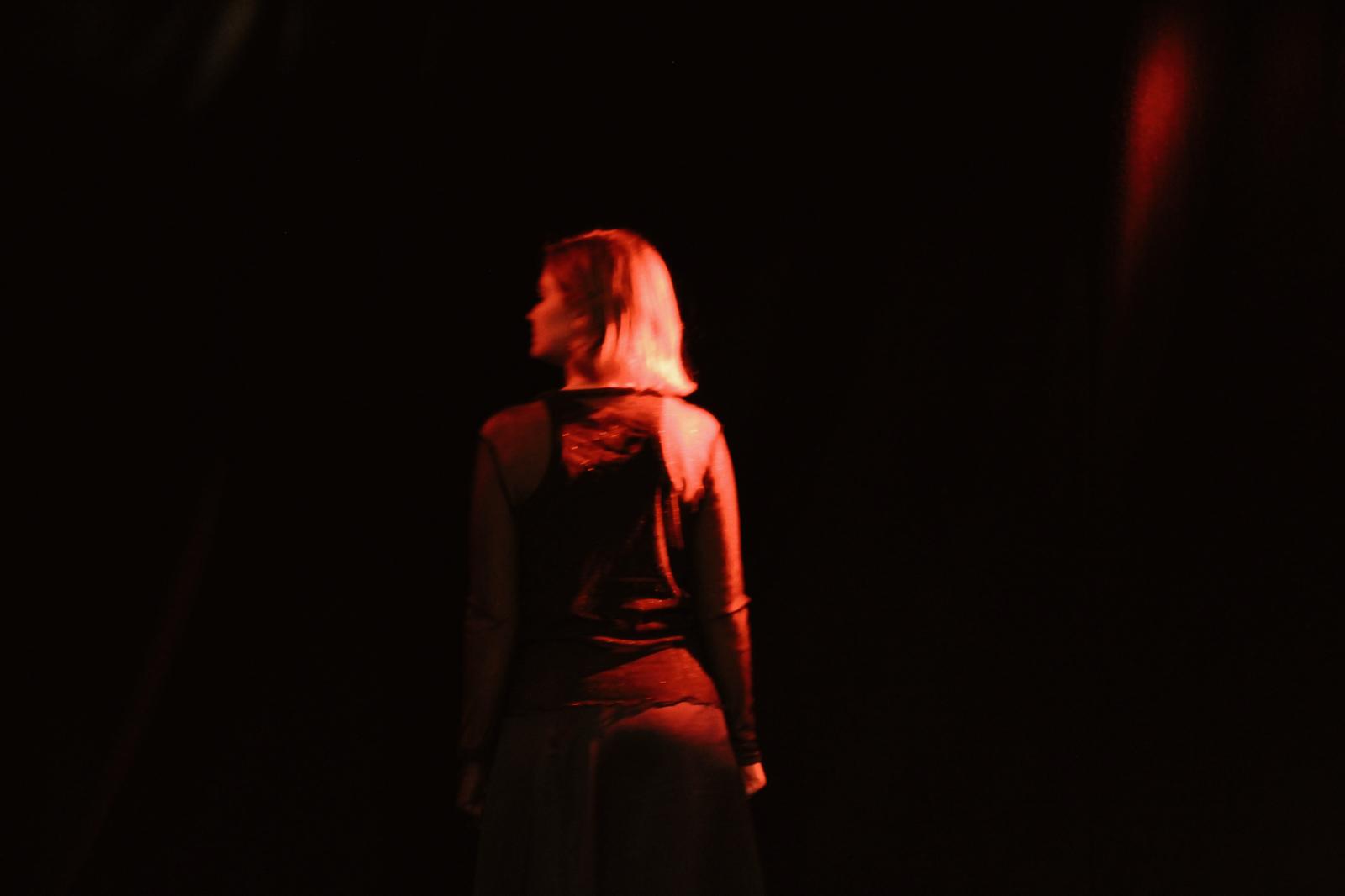
The show is very self-aware in the sense that the actor on stage knows she is there to speak to the audience, but it is the audience that stops her from speaking: she is afraid of her voice being heard. As this play is about the voice, it involves the audience in a shared experience of listening and speaking.
If you could perform this show anywhere in the world, where would it be?
An Ancient Greek theatre, obviously!
Are there plans for what comes next after Camden Fringe?
I am currently writing a new show called Dogfaced, about all the different stories surrounding Helen of Troy (also based on original translations), that will be on at the Lambeth Fringe festival and Voilà Festival this autumn!
What have you done to make ECHOES accessible to broader communities?
I am committed to everyone and anyone being able to view theatre without monetary restrictions. With support from the Institute of Classical Studies, I was able to reserve 10% of our tickets for the unwaged and local communities in Camden, who can email echoes.play.london@gmail.com to get free tickets on a first-come, first-served basis!
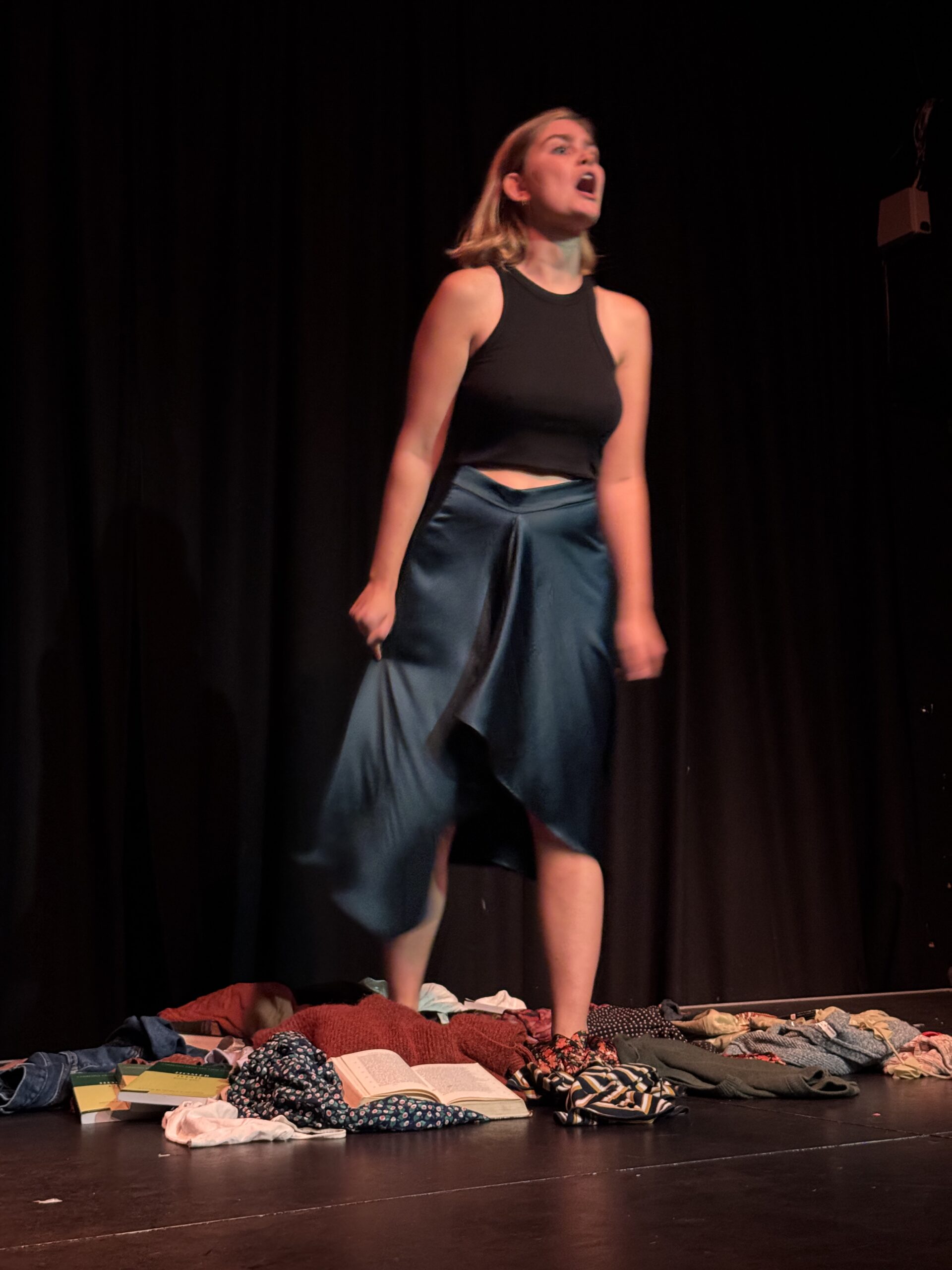
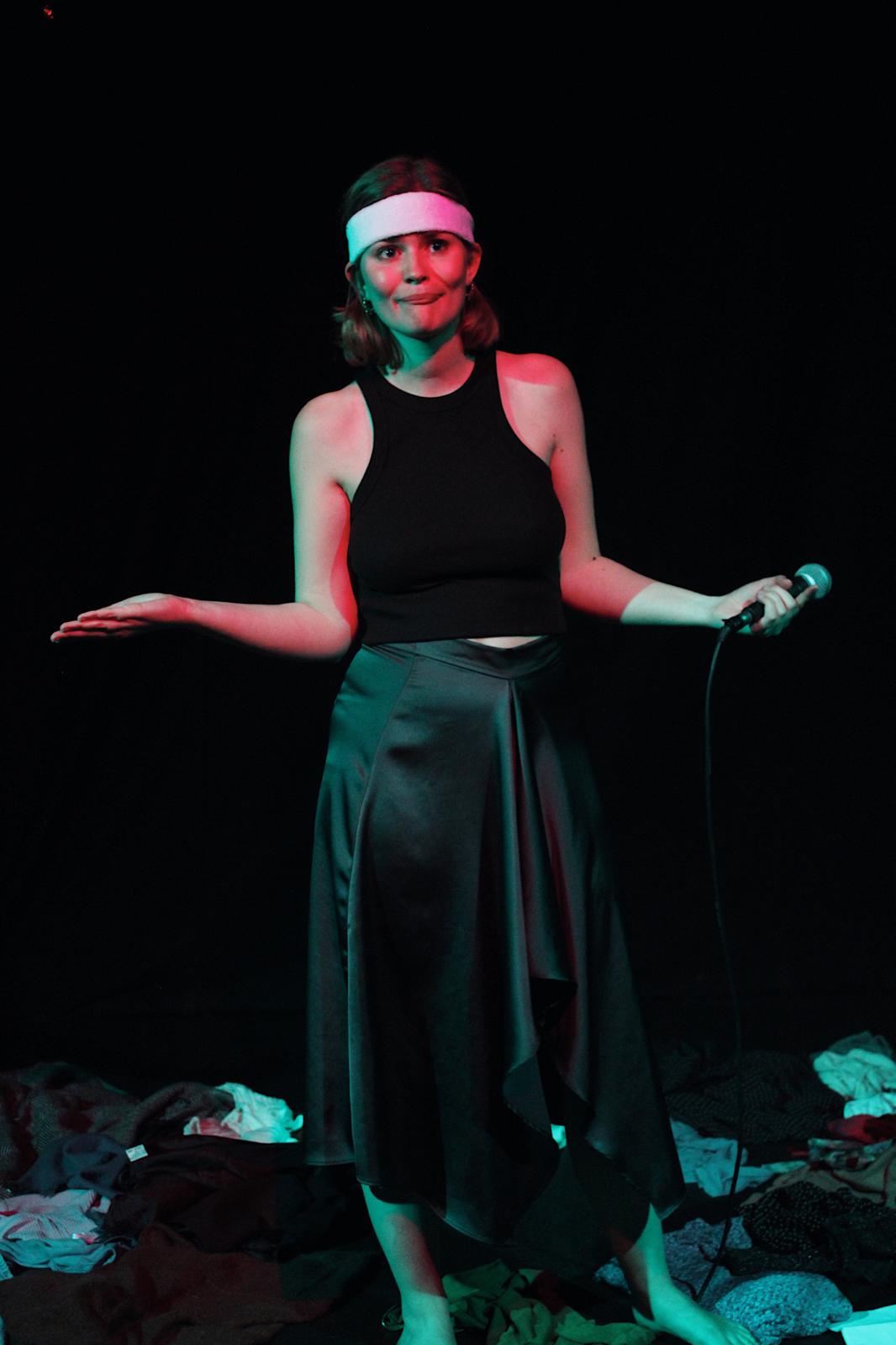
Many thanks to Lieve for her time. You can catch ECHOES playing at Etcetera Theatre from Wednesday 26 to Friday 28 August as part of Camden Fringe.