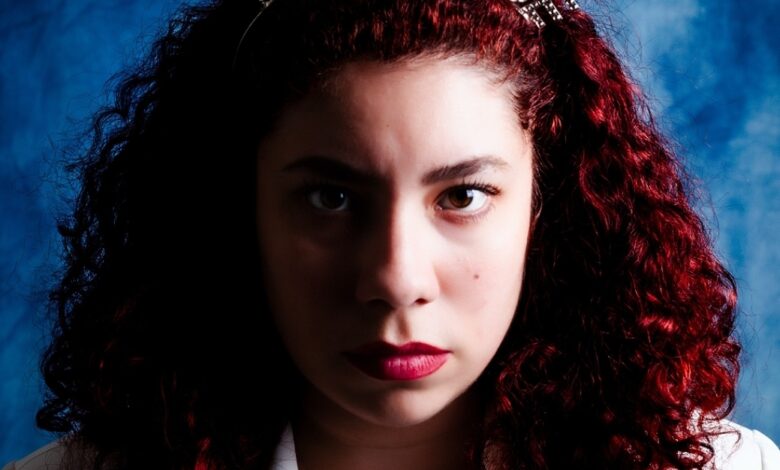
A powerful, pacey Antigone with striking modern resonance. Rating
Good!
Originally written by Sophocles in 442 BCE, Antigone remains one of the most enduring and politically resonant tragedies in theatre history. In this compelling adaptation, translated and adapted by Ioanna Firaku and Una Reitere, the ancient text is revitalised for a modern audience while retaining the emotional and philosophical depth at its core.
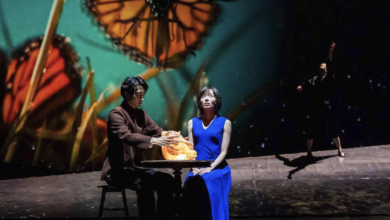
Directed by Reitere, this ambitious production presents a complex Greek tragedy with both clarity and accessibility, exploring power, pride, duty and resistance. The adaptation’s dramaturgy is particularly strong, carefully balancing respect for the original text with contemporary storytelling techniques. Rather than presenting Antigone as a distant historical artefact, Reitere and Firaku uncover urgent modern parallels. Questions surrounding who holds power, how authority is exercised, and what happens when leaders prioritise personal pride over humanity feel strikingly familiar. We’re invited to reflect on political and social structures that continue to value control and reputation above compassion, making the play feel less like a story from ancient Greece and more like a warning for the present day.
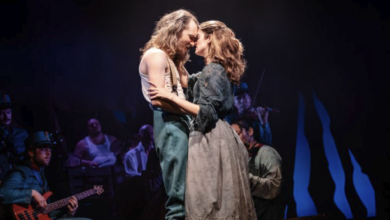
The ensemble approach is central to the production’s success. Greek tragedy can often feel inaccessible due to its scale and language, but this cast work together with confidence and precision to make the narrative clear and engaging throughout. The chorus is used particularly effectively, serving not only as storytellers but as a vital mechanism for maintaining pace and energy. Its presence drives the action forward while providing insight into the emotional and political consequences of unfolding events. Frequently, it acts as both observer and participant, creating a sense of community that highlights the public nature of the tragedy. Its work ensures that momentum is never lost, even during the play’s weightiest philosophical debates.
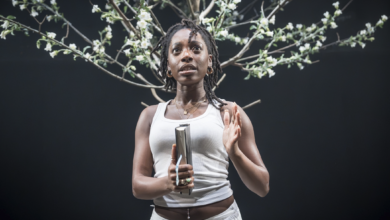
A sense of pace is one of the production’s greatest strengths. Firaku, playing Antigone, anchors the story with conviction and emotional honesty, helping to propel the narrative through its most intense moments while allowing room for the ensemble to flourish. The production understands that tragedy requires variation in rhythm, and moments of tension are balanced with carefully timed comic relief. These lighter moments never undermine the seriousness of the story; rather, they provide contrast that sharpens the impact of the darker material.
A particular highlight is Brianna Undy’s multi-role performance as Teiresias, a guard and a member of the chorus. Moving effortlessly between characters, Undy demonstrates remarkable versatility while contributing some of the evening’s most effective comic moments. Finding humour within a Greek tragedy is a difficult task, yet the production successfully reveals the absurdity that can emerge from fear, panic and human error. These moments of levity keep the audience engaged while reinforcing the humanity of the characters.
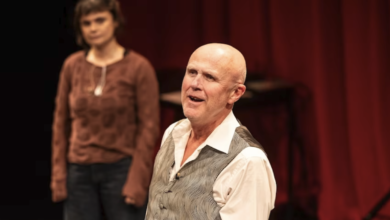
Patrick Schwaab’s nuanced portrayal of Creon avoids presenting him as a one-dimensional tyrant, instead revealing a leader caught between responsibility and ego. His gradual descent into stubbornness and self-destruction serves as the play’s central warning about the dangers of unchecked authority. By emphasising Creon’s vulnerability as well as his flaws, the production encourages audiences to recognise the complexity behind the decisions that lead to tragedy.
What ultimately makes this adaptation so successful is its understanding that Antigone is not simply a story about grief or defiance, but about the devastating consequences of pride. Through strong ensemble work, intelligent use of the chorus, dynamic pacing and thoughtful direction, the play feels both timeless and urgently contemporary. In an era increasingly shaped by political division, public image and struggles over who has the right to be heard, this Antigone offers a powerful reminder of what can happen when power eclipses humanity. It is a thoughtful, engaging and highly relevant interpretation of a classic tragedy that speaks directly to modern audiences.
Directed by Una Reitere
Produced by Ioanna Firaku and Una Reitere
Translated and adapted by Ioanna Firaku and Una Reitere
Lighting by Maria Bravo
Set and costume by Wei-Tzu Lo
Antigone has now completed its run