In Conversation with the Writers of A Fire Inside Her
What links a notorious 18th-century pirate, a Regency heroine trapped in a literary loop, and a modern woman navigating the messy reality of her own desires? The answer is a fierce, unrelenting spark.
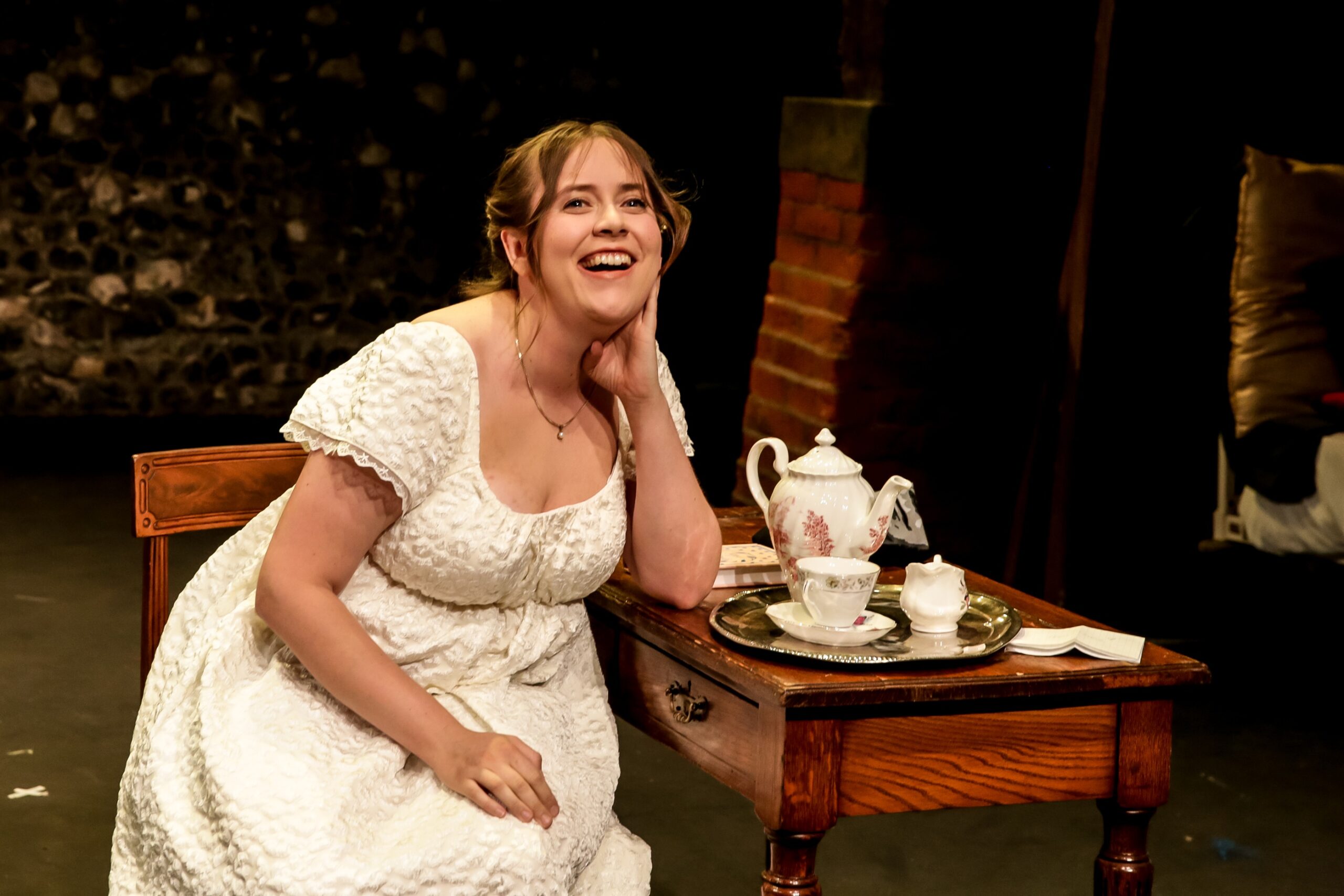
This July, the Rosemary Branch Theatre hosts A Fire Inside Her, a captivating new writing production featuring four distinct monologues. Written by an exciting cohort of emerging playwrights; Gerda Juknaite, Sarah Knoepfli, Chiara Rosanna Krones, and Maija Yrjölä, the show tackles agency, isolation, and the illusions women build to survive. We caught up with the creative minds behind the scripts to find out how they brought these powerhouse voices to life.

The title A Fire Inside Her is incredibly evocative. How do each of your monologues interpret this “fire”? Is it a fire of ambition, rage, passion, or survival?
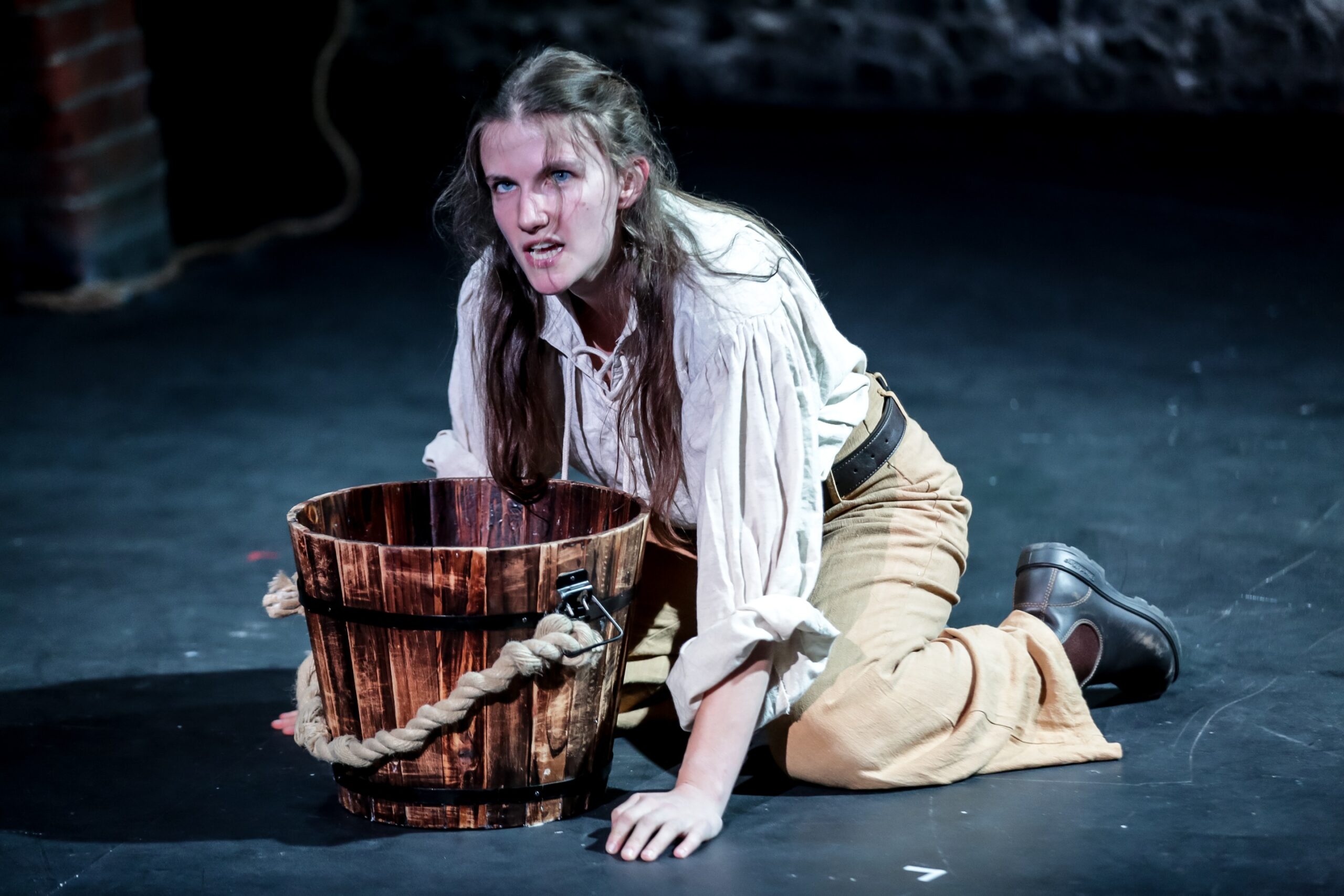
S.K.: The women in our monologues all want some sort of change in their lives – it’s the spark that ignites the scene every time, although the fire that follows can take many forms. For Anne Bonny, my character, there is definitely an urge to watch the world burn. But no matter which shape this fire takes, it is all-consuming, and even if it goes on to spread to the world, it always engulfs you first.
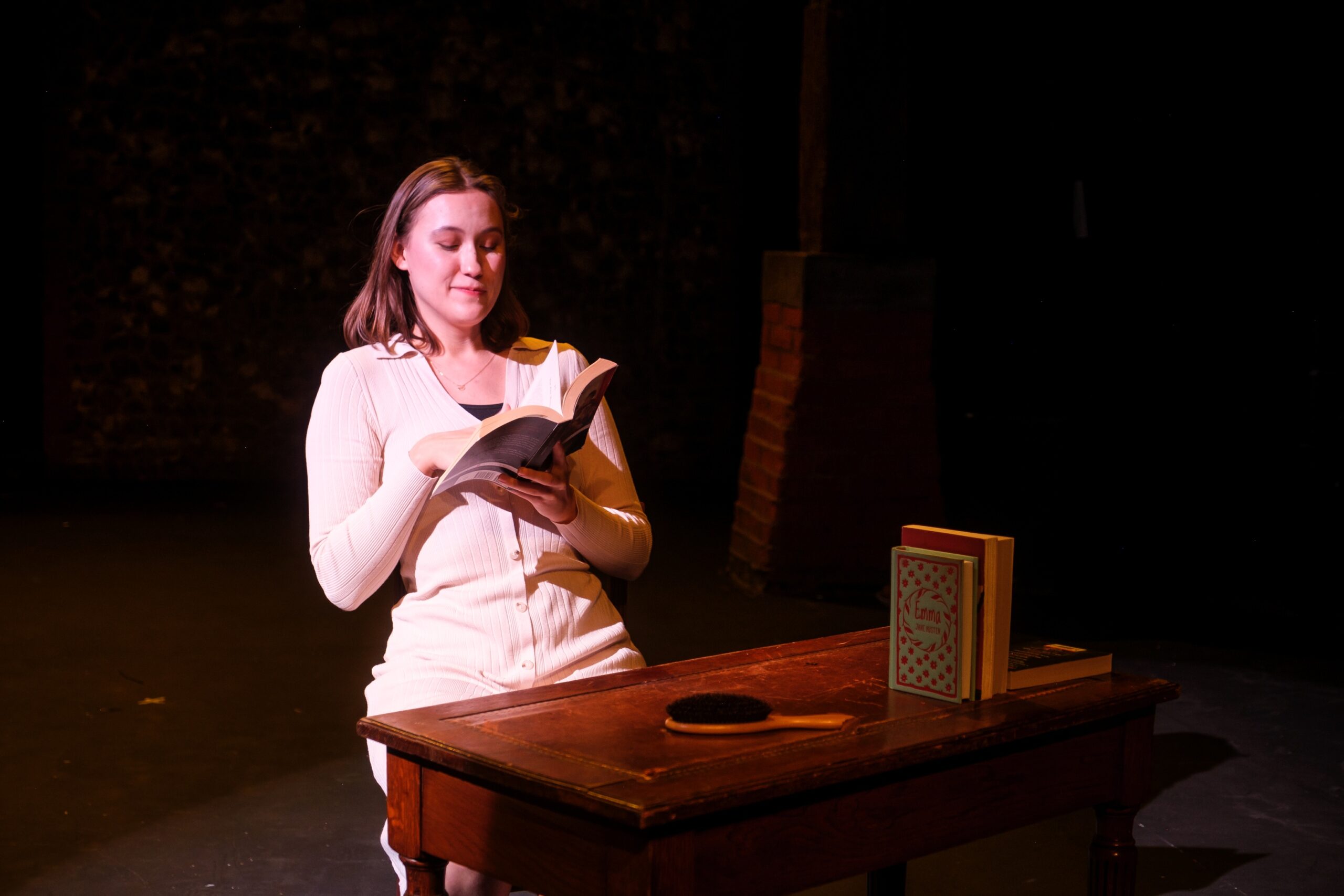
M.Y.: For me, the fire in these monologues means finding your own path while staying true to yourself. For example, my character struggles between living by the book and the strong awareness of self-change. What has felt safe and steady for the longest time has become a prison, now stopping them from growing and from following the change that has already begun. In the end, the “fire” is something that our characters can’t run away from. It’s the core of who we are and what lies beneath the surface, no matter how much we try to repress it. Suffocating your inner flame, which includes your deepest desires, hopes, and fears, can and will eventually break you.
While your stories span different eras, from the golden age of piracy and Regency literature to modern-day dating, what do you think connects these four distinct women at their core?
S.K.: They all want to change the world, or at the very least change their world. Each of them wants to escape the narrative they’ve been forced into – sometimes by a literal narrative, sometimes by the patriarchy, sometimes by their own minds. “Will you take charge of your life?” is the question that echoes through all four pieces, and each of them explores what price you have to pay if you decide that the answer is “yes” – because there is always a price to pay.
Writing a monologue requires a very intimate relationship between a single character and the audience. What drew you to this format, and what are the unique challenges of building an entire world through just one voice?
M.Y.: To be honest, I have to thank my training at East 15 Acting School. Our final project was to write a monologue inspired by a piece of drama or literature, and it gave me an encouraging opportunity to explore what my artistic voice is really like and what makes me unique as a performer. The key for me was to find the right angle. I wanted to give voice to a character from a novel who hasn’t been able to speak with their own words before. The main challenge was then to find a clear dramaturgy for the monologue – shades, pauses and tension. Why is the character telling her story right now? What has happened that has changed her life forever? What would need to be said so that the audience would feel for her and follow her? A great lesson for me was that once I’m completely invested in the character, both as an actor and as a writer, the audience will believe them too. For me, theatre is a triumph of group effort, but the format of the monologue gives an opportunity to take the stage presence and connection with the audience to a whole new level.
C.R.K.: The challenge with a monologue is that you have to convey the full arc of the story compressed into a few short minutes of performance. Every word counts, and every gesture has to be 100% intentional. A lot has to be left unsaid, and so a lot of the storytelling is left up to the audience – they have to connect the dots. But that’s also what makes it so interesting as a performer, because it really exemplifies that theatre at its core is always a conversation with the audience.
Have you all worked completely independently, or has there been sharing of ideas and advice as you’ve prepared for A Fire Inside Her?
All: Our creative process included both independent work and collaboration. It started with us working on our individual pieces with ideas that sparked our own curiosity, and following what felt personal to us. Once we knew where we wanted to take our stories, we helped each other out with improving the flow of our pieces, solving the creative problems that appeared when we lost track of how to get the character from point A to point B, and suggesting ideas regarding physicality, lighting cues, and finding which props are essential to the story.
When the lights come up and the show ends, what is the one thought or feeling you hope the audience carries out of the theatre with them regarding the modern female experience?
G.J.: I would simply like them to have questions and feel the need to discuss their experience with friends.
C.R.K.: Love yourself, and allow others to love you too. All of us, but especially women, are constantly surrounded by reminders of how we are imperfect, how we should be this or look like that, and it is so easy to internalise these messages and think there is something wrong with us. I wrote this piece partly as a reminder to others and to myself that there is nothing wrong with you, that you are worthy of love just as you are, and I hope that is the message the audience will take home with them.
Our thanks to Gerda, Sarah, Chiara and Maija for their time to chat. A Fire Inside Her plays at Rosemary Branch Theatre on Thursday 2, Friday 3 and Monday 6 July.