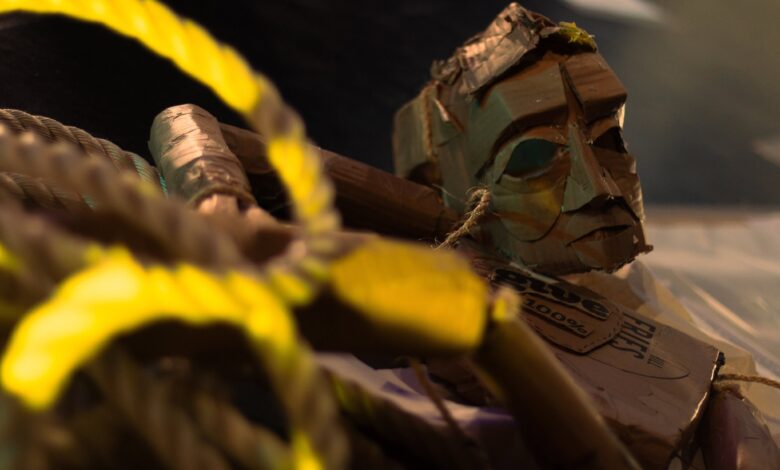
Surya Dev Chandra on Freedom at Chisenhale Dance Space
After the success of our 2025 Camden Fringe Interviews, we thought it only right to attempt a repeat for 2026. So throughout July we’ll be publishing new interviews each day to give a taste of what to expect from London’s best fringe theatre festival. The festival starts Monday 3 August this year, so we may give ourselves a couple of days off inbetween the end of the interviews and the first shows… then again, we might not.
You can find out more about Camden Fringe, along with details of every show playing this August here. You can also find all of this year’s interviews as they are published here.
What does freedom truly mean when stripped of abstract political definitions and looked at through the lens of lived human experience? It’s a question that does not yield a single, simple answer. Instead, it demands a space where we can gather, listen, and reflect together.
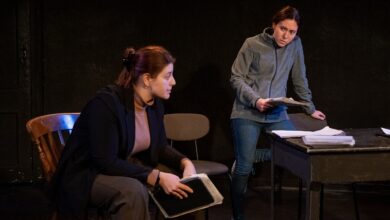
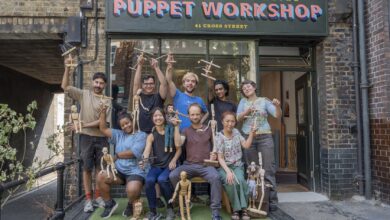
Coming to Chisenhale Dance Space this August for Camden Fringe 2026, FREEDOM is an immersive, multidisciplinary performance designed to break down the traditional barrier between performer and spectator. Developed by the team of Unity Arts Collective; Subhadip Mukherjee (researcher), James Frost (Visual Artist and Puppeteer), Jesu Piceno and Ester Ricci (Multidisciplinary Sound Artists), this unique production combines live sound, physical theatre, puppetry, and interactive installations to craft a shared exploration of resilience and belonging.
We spoke with creator and director Surya Dev Chandra to explore how community workshops with refugees and migrants shaped this piece, the power of allowing audiences to move freely through a performance, and why the colour red perfectly embodies the production’s urgent spirit.
If you had to describe the vibe of FREEDOM in just one sentence, what would it be and how does it manifest on stage?
FREEDOM is a living, breathing journey through empathy, transformation, and human connection. This manifests on stage through immersive live sound, audiovisual art, physical theatre, puppetry, and interactive installations that actively invite audiences to move through the space and become an organic part of the experience.
Why is 2026 the perfect time for this show to be presented to a wider public?
FREEDOM offers a vital space for reflection, connection, and shared experience. Its themes of identity, belonging, resilience, and empathy feel particularly relevant today, encouraging audiences to engage with perspectives far beyond their own and reflect deeply on what freedom means in their individual lives and local communities.
What was the “eureka moment” that made you realise this story had to be told right now?
The project emerged from deep conversations and creative collaborations with people from very different backgrounds, including refugees, migrants, artists, students, and local communities, through intensive days of workshops.
What became abundantly clear was that while our day-to-day experiences may differ, the desire for freedom, dignity, and belonging is entirely universal. That realisation transformed the project from a simple artistic exploration into something that felt absolutely necessary to share publicly.
How has the show changed and expanded since you first began writing it?
The core themes have remained the same, but the work has evolved significantly through active collaboration. As more voices, real-world experiences, and diverse artistic practices became part of the development process, the project grew into something much richer and more layered than we originally imagined. The participatory, open nature of the work has been directly shaped by the very people who contributed their stories to it.
What drew you to FREEDOM as a multidisciplinary canvas?
What drew me most to FREEDOM was its focus on real human stories and its use of art as a shared, participatory experience. It felt like an invaluable opportunity to be part of something that goes beyond traditional, passive seat-bound performance and creates a genuine space for empathy, connection, and bringing communities together.
The show also offers the rare chance to work fluidly across distinct disciplines; sound, physical theatre, visual art, puppetry, research, and installation. This crossover makes the process both a challenge and deeply rewarding. Being part of a collective like Unity Arts Collective that values collaboration and community made it a natural fit.
How central is audience interaction to the structure of the performance?
Audience interaction is fundamental to FREEDOM. The work explores freedom not as a fixed, rigid idea, but as a deeply personal and collective experience. By inviting audiences to move through the physical space, engage with the tactile artworks, and share the atmosphere created by the performance, they become active participants in building the work’s meaning. Each audience member brings their own unique perspective, making every single presentation of the piece completely unique.
If you had to describe the energy of FREEDOM as a colour, what would it be?
RED. Bold, intense, and alive. It perfectly reflects the energy of FREEDOM, where live performance, raw sound, and physical movement come together to explore identity, resilience, and what freedom means today.
What does “success” look like for your collective this August, beyond just ticket sales?
Success means creating a meaningful, lasting experience that fosters awareness and connection, and stays with people long after they leave the space. If audiences leave Chisenhale Dance Space feeling more connected to themselves, to others, or simply carrying the question “What does freedom mean to you?”, then we have achieved something truly valuable. We hope to create moments of reflection, empathy, and constructive dialogue that continue far beyond the performance itself.
Many thanks to Surya for their time. FREEDOM will play at Chisenhale Dance Studio from Friday 14 to Sunday 16 August.