Oliver Hymans talks marionettes, heritage and hope for the future
When the Little Angel Theatre first opened its doors many years ago it was as a marionette theatre. Who could have guessed at that time it would go on to achieve such enormous global success, producing acclaimed shows that have travelled the world, subsequently embracing multiple puppetry forms in its work? Or indeed that marionette making would now be considered an endangered artform…
Celebrating its 65th anniversary this year, the theatre looks back to its roots in order to look forward, offering an amazing heritage project and associated events that will help preserve marionette puppetry for the future. We were excited to hear more about what’s planned so called up Associate Director Oliver Hymans to have a chat.
Hi Oliver. Thank you so much for taking the time to talk to us about what looks like an incredible season of events.
You have been working on securing the future of marionette puppetry for a number of years; why is it so important to invest your efforts in this particular artform?
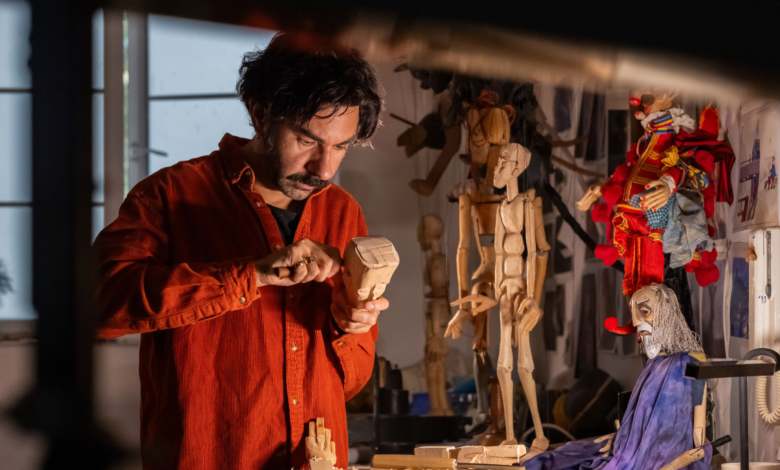
I’ve been waving the flag for marionettes for about five years now, and we’re seeing progress, as it’s successfully been added to a list of endangered crafts, allowing people to focus on its value. At Little Angel, we’re additionally trying to record and pass on the specialist skills involved with this form of puppetry, including performing, making and designing – securing the legacy before it’s too late and they are lost forever.
There’s a full marionette show on the way which simply hasn’t happened in years – can you tell us about that?
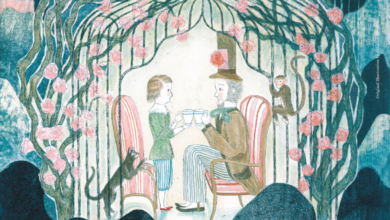
So The Sorcerer’s Apprentice is a brand new show, loosely based on Goethe’s poem, happening on the marionette bridges at Little Angel. It is directed and designed by myself, which is brand new for me too, because I haven’t actually made a production using the bridge architecture before. It is super exciting – if slightly terrifying.
The show that we’ve written embraces the apprentice side of the story: there’s no master or magician here. The conceit that we’re playing with is that the theatre itself represents the mastery. There’s going to be six puppeteers who break into the building trying to discover this endangered bridge and through their exploration of the theatre they’ll discover how to operate it, how to pull the strings. It’s a kind of out of bounds space and things might go wrong intentionally, so the audience won’t know exactly what’s going on – whether or not it’s the puppeteers or the theatre itself that holds a magic.
We’re going to be breaking the fourth wall; we’re going to be including a few fun things that show the audience that we don’t actually know precisely what we’re doing here – we’re learning and inviting them to come along with us on that journey. So that’s kind of been written into the performance, and there will hopefully be some moments of pure marionette puppetry where we really lean into the theatre architecture of Little Angel Theatre – into the bridge, and we try and make it as magical as possible. But at the same time, we’re going to have a bit of fun with things going wrong.
We’re busily building the puppets for the show now, some of which will be more traditional, some of which will be a little bit more playful or inventive through use of objects, but combining to bring the idea of the past and future coming together.
Little Angel is renowned for its support of emerging artists and creatives. Tell us about the training plans for puppet makers and performers within this heritage project.
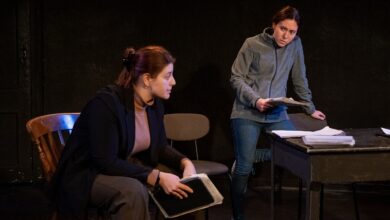
We’ve auditioned and cast the six performers for this show, and they’re puppeteers who are all already accomplished performers themselves, but have never necessarily picked up a string puppet as part of their career to date. There’s only a small handful of marionette puppeteers already existing in the world, so the really key part of this project for us, and also in moving forwards, is to upskill six people; to add that style of puppetry to their repertoire and reinforce the legacy of marionette creation and performance. It’s a hugely ambitious project, but we know it’s possible. We’re not expecting to come away with six highly, highly trained performers. At the end of it, we want to give them a flavour of what it’s about. We know that there’s a pipeline of artists who want to train in marionettes, and we also know there’s an audience who are hungry to see this kind of work on stage, so we’re going to make it happen.
We’re also considering how we can make this an annual training programme where every year we’re able to bring in six performers, a couple more makers, and put them through the mill, with The Sorcerer’s Apprentice becoming a show that gets performed annually with a different cast of newly-skilled people.
We are additionally offering a selection of adult professional development courses as part of the festival, which are on sale now. Stephen Mottram is going to be delivering his brilliant puppet movement workshop in August and Sarah Vigars, who makes the most amazing bird marionettes, is going to be doing a weekend of beautiful carving.
The really exciting thing about these training opportunities is that normally I’m the one who teaches because I’ve been holding that skill and knowledge. But this year Ash Appadu, who was our earliest apprentice, has reached the point where he is able to deliver some of the courses. Again, in terms of legacy, we’re training up the next generation to receive and hold knowledge, and we’re hoping that Ash and potentially some of the other makers that we’ve trained on this programme, can be the people that move forward with it, going off to do their own projects and making their own work.
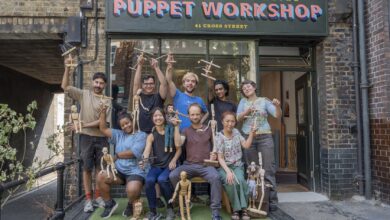
The theatre has also invested in a brand new workshop space. Can you tell us about that?
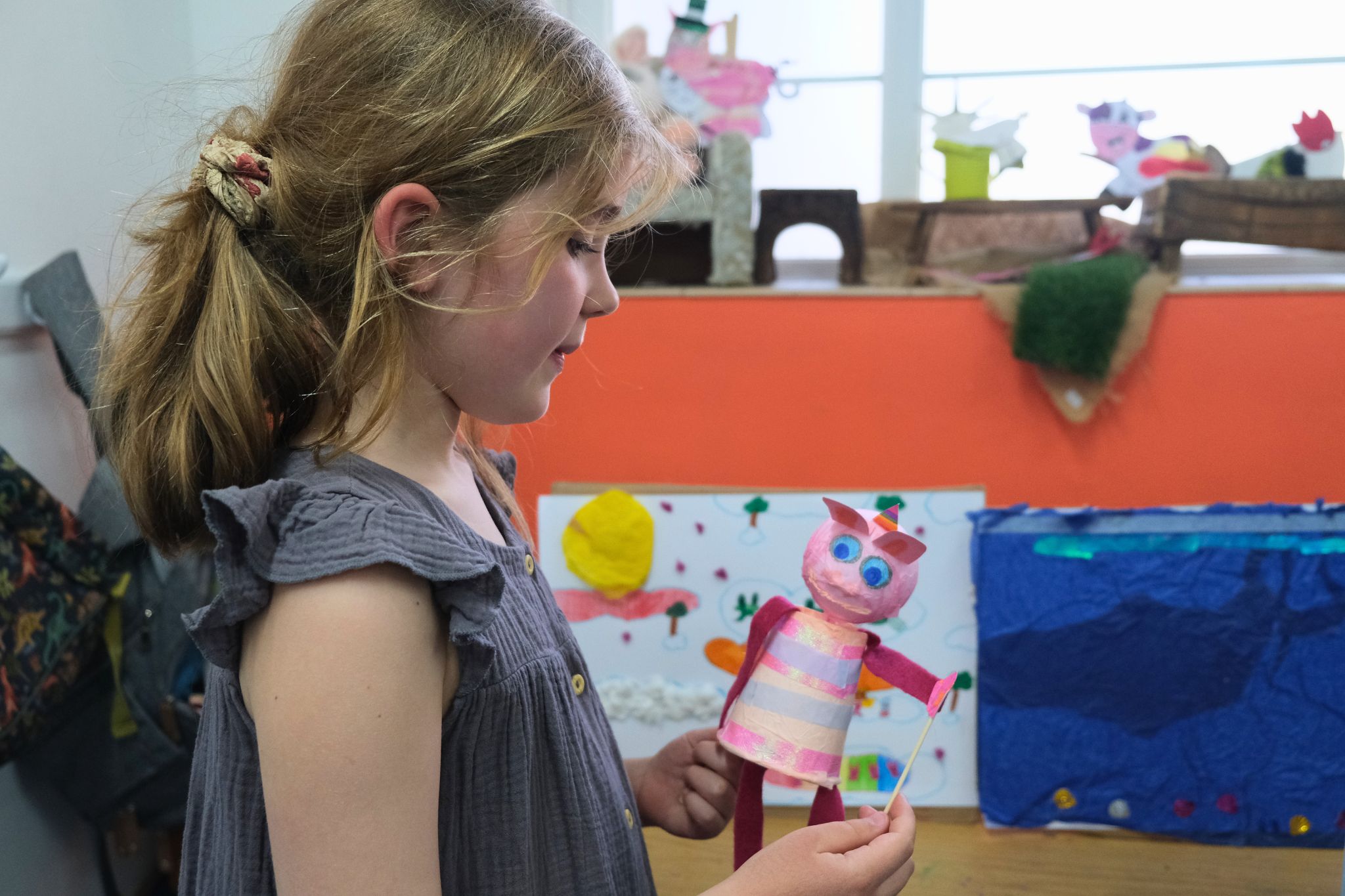
In advance of the workshop fully opening in September, we’re going to be hosting an exhibition in the space over the time that the show is on, to launch it in style. We’re in the process of inviting some of the key puppet and marionette makers in the country to contribute towards that, which is super exciting. So when people come and see The Sorcerer’s Apprentice, they can also have access to crafts by the most important marionette makers working at the moment – seeing their incredible work up close.
To make things even more accessible we’re also planning to publish a written guide for whoever might want to make their own very, very simple marionette at home using the kind of tools that are easily available, and without the need of any special equipment. We’re inviting John Roberts to contribute towards that because obviously he’s one of the best teachers of marionette making in the country. He worked for Little Angel Theatre for many, many years when, when back in the day, the marionette bridges were much more involved so it’s a delight to have him back.
What other heritage-related events do you have on the cards?
We’re going to be working closely with the Wright family, Sarah and Lindy, to capture some oral histories about how the theatre space was used historically, establishing what kind of information that we really need to write down and secure for future use of the stage.
And we’re just about to announce details of a panel discussion on Sunday 23 August, after the 4pm show, with some key players in the field. It’ll be a ticketed event and there’ll be a fascinating discussion about the history of marionettes, the history of the theatre, what this project has delivered, what have been some of the challenges and hopefully looking forward to what we can be excited about in terms of legacy. Keep an eye on the LAT socials for that announcement shortly.
The annual Children’s Puppet Festival is a fabulous example of how Little Angel’s repertoire has diversified across the years. What highlights should we look out for this season?
Alongside the main in-house production for the festival we’ve got another five companies coming along, showcasing the breadth of puppet styles, puppet makers and puppet designers available.
There’s Club Origami from Ichi Ni San, which is a highly popular dance piece for early years. It’s interactive and uses origami techniques and paper in a really inventive way. The show’s brilliantly playful and we’re super excited to have it.
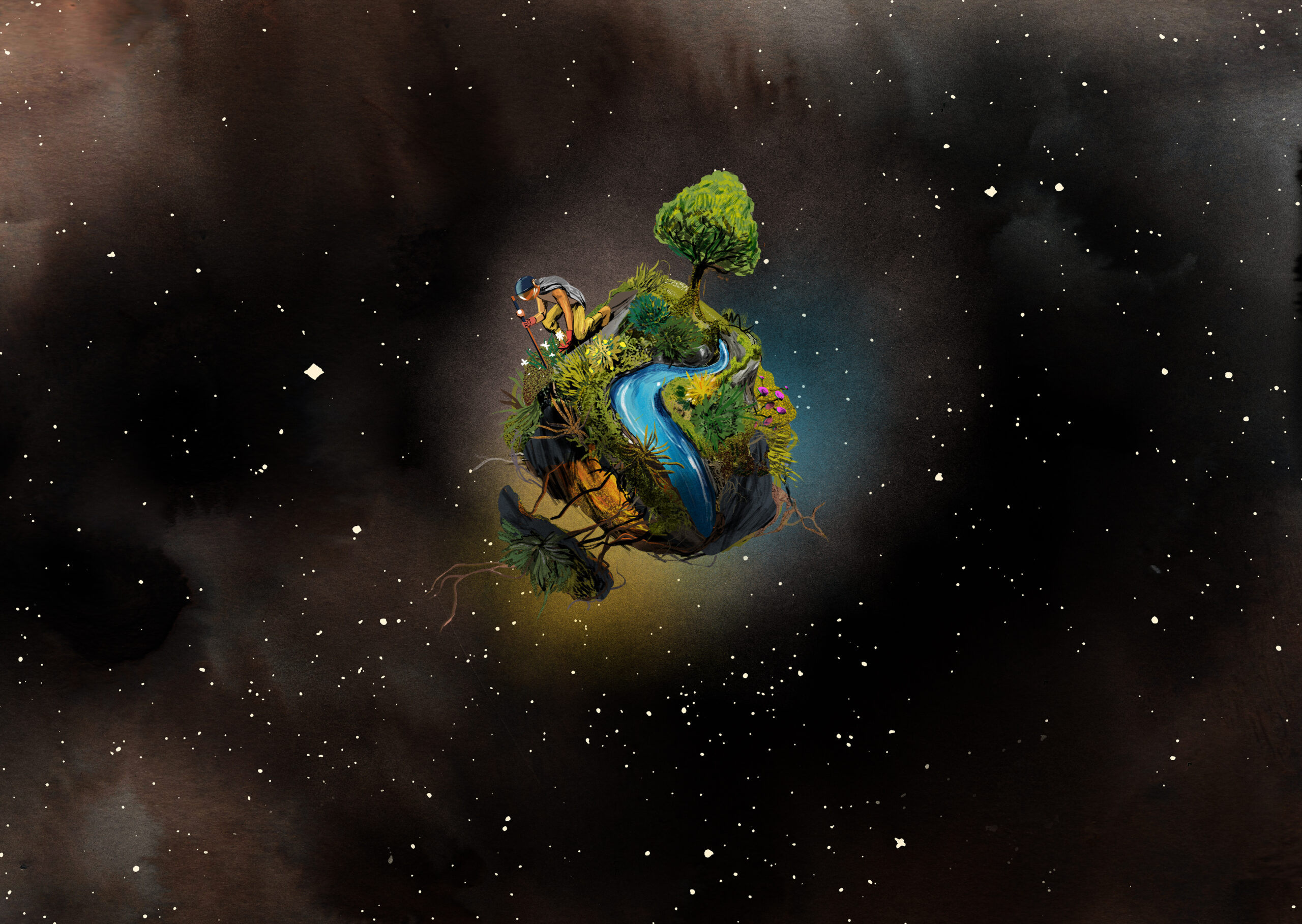
We then have two shows that feature technology at their heart. Half a String are back with their latest, award-winning show Tiny Planet, which is an incredible piece of design and a lovely story. We’ve also got Life and Limb, an amazing company from the North East, bringing At Sea. This has a really clever use of projection, mapping animation overlaid on top of live puppeteers and it’s really impressive.
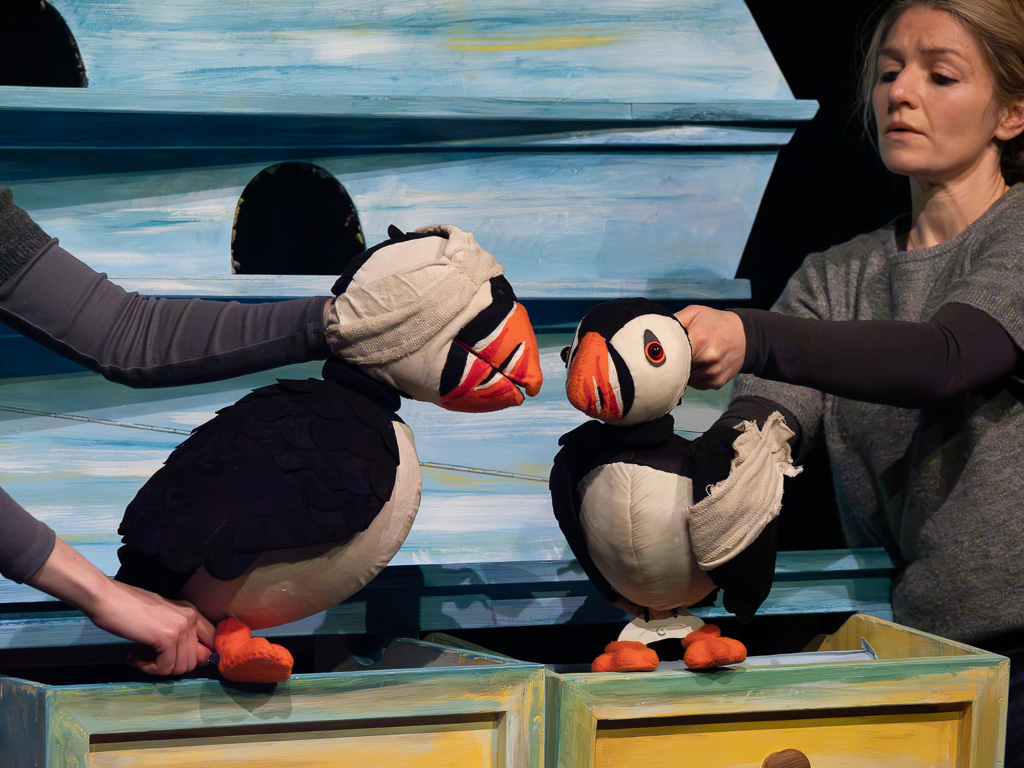
We’ve also got Puffling Percy by Puffling Productions, which is a softer show for young audiences, more based in gentle storytelling. And then the final show is Kid Carpet’s Jack and the Beanstalk (Sort Of), which is fabulously chaotic fun – a kind of punky, interactive theatre style. There’s some excellent work for all ages and everyone is welcome to come along.
Thanks very much to Oliver for telling us all about this game changing season at Little Angel Theatre. You can find out more about The Sorcerer’s Apprentice, puppetry courses and other events in the Children’s Puppet Festival at the link below.