ET gets a flavour of Kent’s new initiative for early years audiences, the Playground Festival
ET are huge supporters of Theatre for Young Audiences, yet more widely its importance often goes unrecognised, even though these very early years are a crucial time for cognitive development in babies and toddlers. Engaging them in creative activities can play an important part in supporting both brain stimulation and emotional learning. This spring, however, saw the inaugural Playground Festival across Kent. This valuable initiative brought a variety of British and international work to venues across the county in over 150 free events, enabling families to have access to a wide and diverse range of opportunities on their doorstep. We took a day trip to the seaside to dip in and see what was on offer, with Annie Sutton and Mary Pollard heading off to Canterbury and Margate, checking out local events for local people.
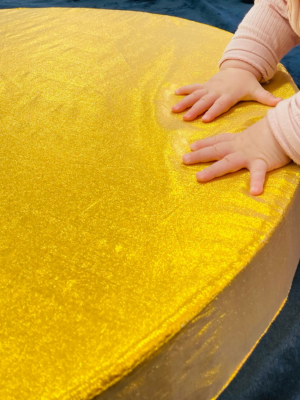
First stop was the Beaney House of Art and Knowledge; a museum housed in the centre of Canterbury, with easy access to Golden Time, a multimedia exhibition in their front room. This piece was created as a Playground Festival commission by UK-based Playground artists Grace Hann, Nicola Flower, Casey B, Kenny Mangena and Chris Duncan. On arrival, a baby session was in progress so our reviewers observed through the window and noted with interest the engaged interactions of the children and their families with sensory golden objects, participatory movement and an integrated musician. Golden Time continues at The Beaney until Sunday 14 June, so you can still catch it.
Next, upstairs to step into The Garden – shoes off and bags parked with the buggies – to discover the sensory world created by UK-based Makers of Imaginary Worlds. This thoughtful space offered gently-paced explorations and discovery of natural spaces – many handcrafted, with particular enjoyment to be found in blooming robotic flowers and a fusion of tech with craft and nature. Young explorers were relishing the freedom and safety of a relaxed, curated space. Our older explorers tested every nook and maybe needed clearer signed instruction in places, although this became an act of discovery amidst gorgeous outsize dragonflies and drifting clouds. The Garden is in place until Sunday 5 July.
Back on the train to Margate and a stroll up to ARK in Cliftonville, where staff were placing a ramp to welcome Playground visitors to their now established inclusive venue; a valuable social resource for the area’s diverse communities. GOAT is also a Playground Festival commission, designed by three Kent-based Playground artists, Lucy Thompson, Megan Garret-Jones and Tom Tegento. It offered interactive experiences and playful community storytelling for the very young. Another integrated musician here invited carers and their babies to enjoy improvised music using a collection of instruments to weave East African melodies and familiar lullabies. Expert facilitation allowed the crawling audience to move freely across the wooden floor and the environment of washing lines, sounds and fairy lights created a magical vibe. The interaction between a brave wandering baby and the main GOAT puppet was an improvised moment of care and playfulness. Carers were given props and animal sock puppets for personal interactions that made the babies chuckle, with maybe further potential there for developing the session into deeper group participatory exploration.
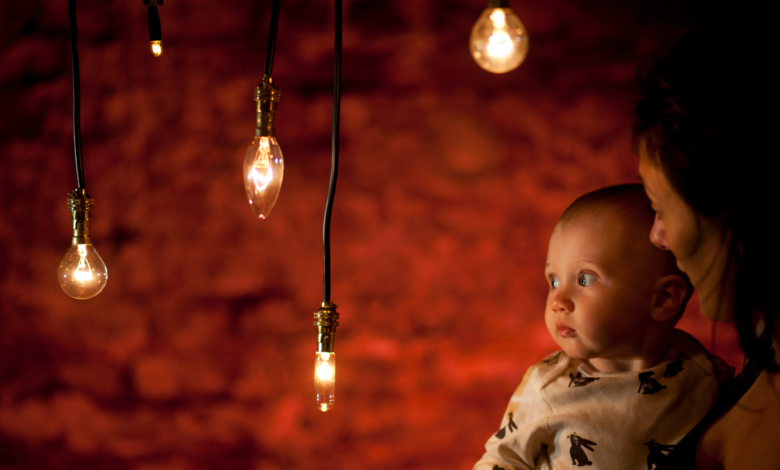
We’d also hoped to catch First Light by Daniel Naddafy & Marty Langthorne (UK), which moved venue meaning we couldn’t get to it on the day, but which we’d glimpsed back in 2024 in an airing at The Pit, Barbican. This is a fascinating installation, inspired by baby lab research into the expanding vision of children from birth until 18 months, which uses lighting and soundscapes that echo a newborn’s hearing to produce a calm, engaging atmosphere. It’s delightfully captivating for little ones and their families to experience together.
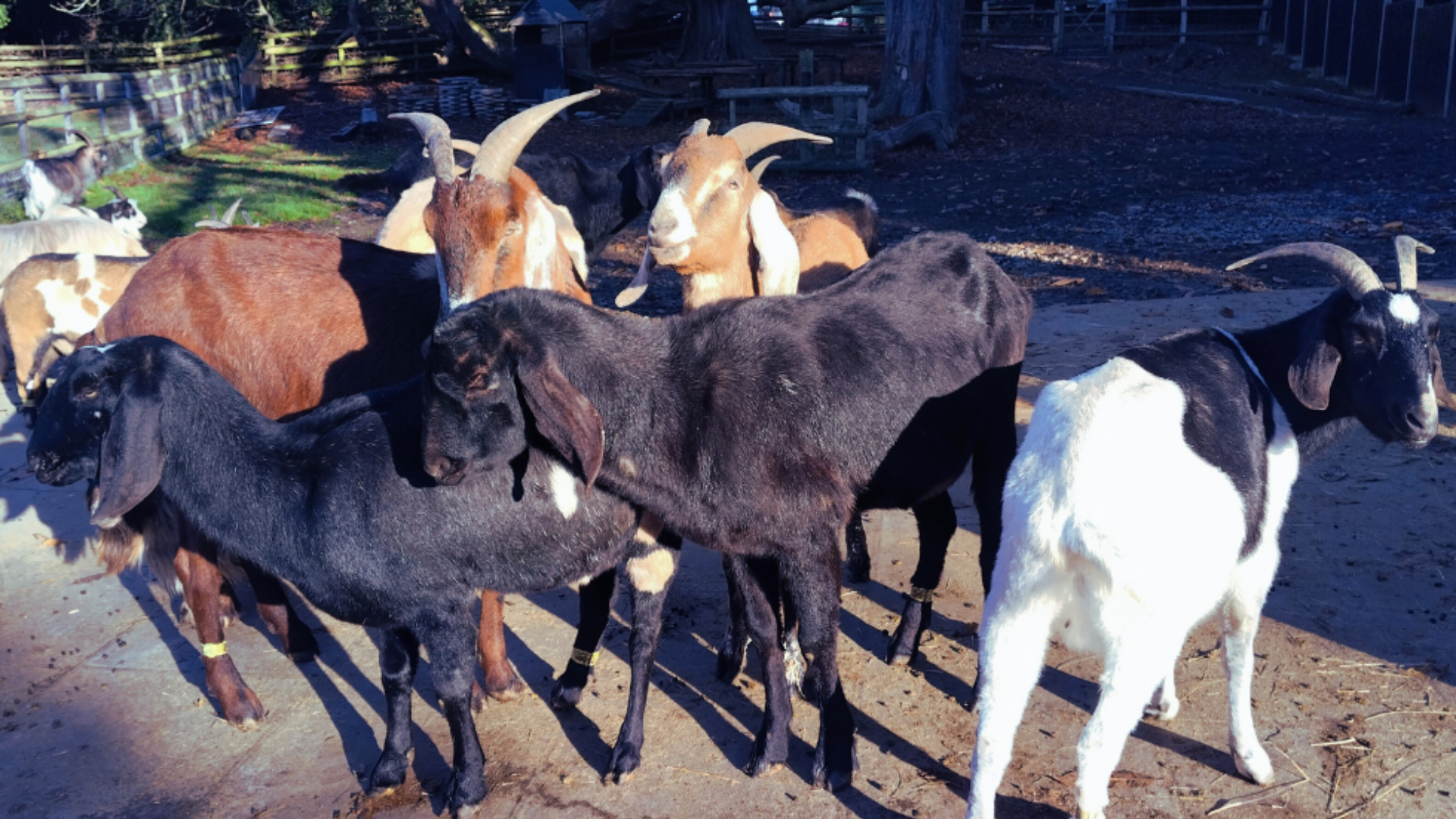
The events at Playground Festival covered the whole of Kent. If there was time, or transportation, then Mary, our puppet expert would have enjoyed the life‑size Girafes from Xirriquiteula Theatre (Spain) while Annie had her eye on Cohesion Plus (UK), and dancing to Baby Bhangra sounded joyful.
You can read more about this fantastic new initiative in our recent interview with Creative Director Liz Moran and Playground Lead Lucy Keeley from Kent County Council, and catch the last few events through the below link.