Interview: Lynch, Joy Division, and the End of the World
CHANNEL SURFING AT THE END OF DAYS, Hen and Chickens Theatre

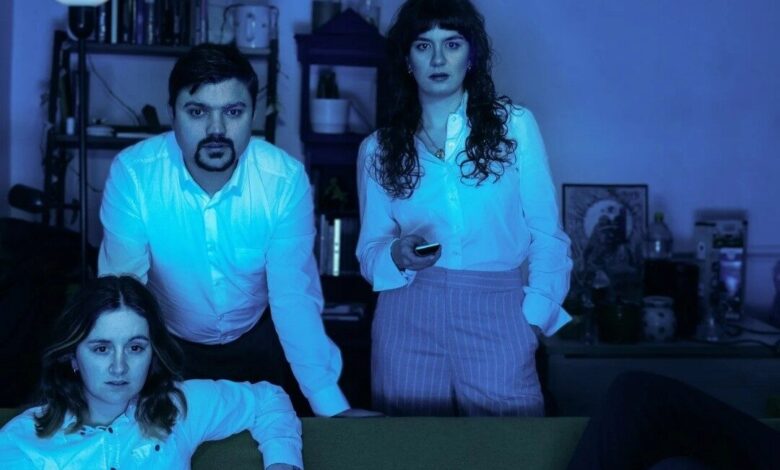
Callum Pardoe is CHANNEL SURFING AT THE END OF DAYS
Callum Pardoe’s CHANNEL SURFING AT THE END OF DAYS receives its world premiere at Hen and Chickens Theatre later this month. Produced by the new grassroots company Friends of David, the play is a bold, apocalyptic anthology that draws atmospheric inspiration from the surrealism of David Lynch and the haunting echoes of Joy Division. Described as an exercise in experiencing humanity through its “fleeting beauty, silliness, and heartache,” the production offers a glimpse into the final moments of a variety of characters before an unknown reckoning brings an end to life on Earth.
As fans of anything apocalyptic, we couldn’t resist asking Callum if he’d like a chat, because if the world is really going to end, we may as well find out what to expect. Besides, what do you have to lose if this really are our last few days before it all goes boom.
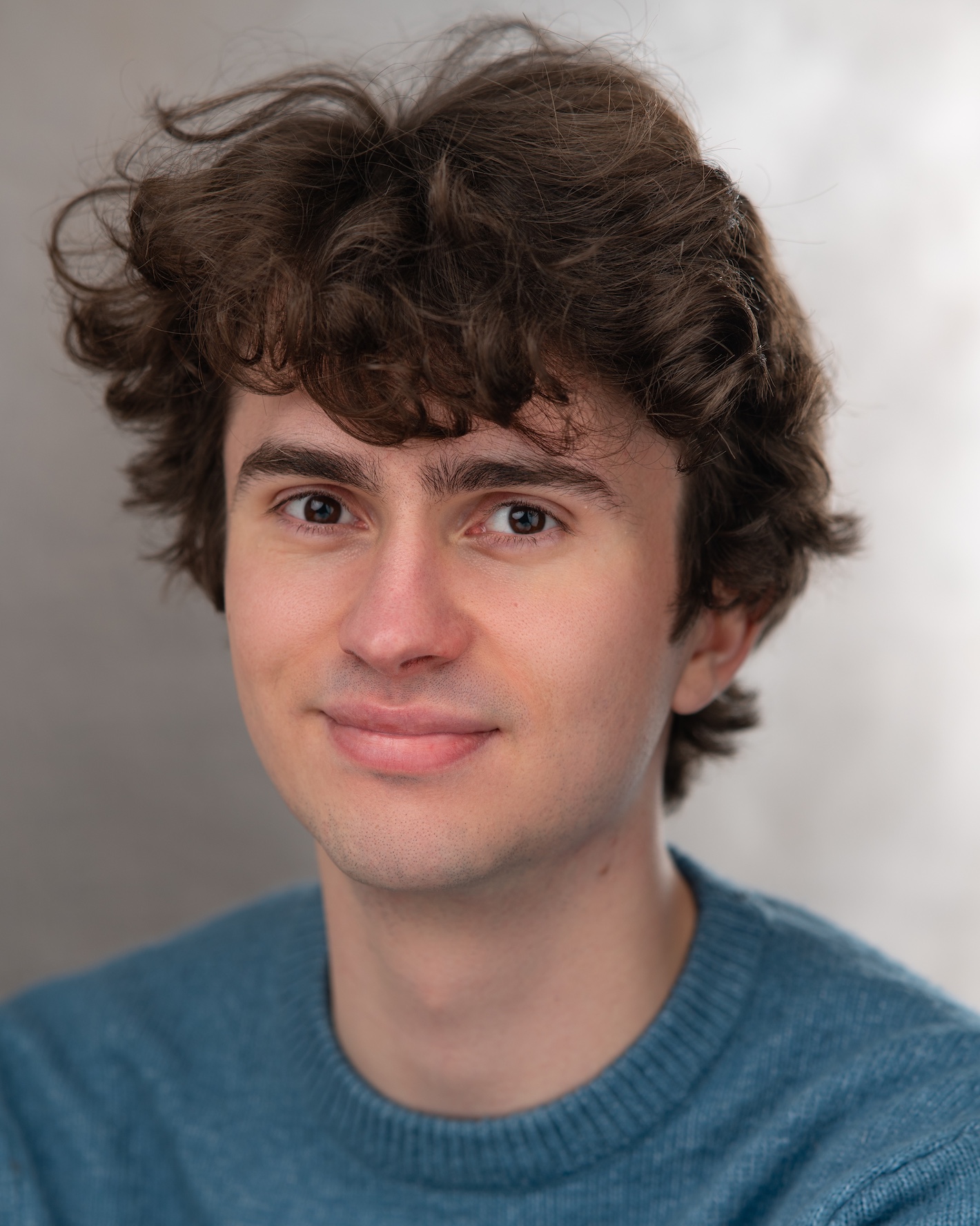
Why have you chosen an anthology structure to explore the “end of days” rather than a singular, linear narrative?
It’s a format that the play has lived in since its inception back in early 2020. I wanted to experiment with dialogue and the end of days framing sort of grew out of that. I think there’s something inherently beautiful and fleeting about life that an anthology structure lends itself to. I wanted to accentuate that against a backdrop of life totally ending. Each human being is such a complex and unique thing, and when you do things more singularly and linearly I think you have to decide that there are certain places you can’t really go. I’m in awe of human life in its entirety, so I wanted to go to as many places as possible.
You’ve said the play is inspired by the works of David Lynch and Joy Division, how do those two marry together for the theatre?
I think it’s more of an essence thing. There’s nothing that’s in Channel Surfing that is explicitly Lynch or JD in terms of content, but I’d say the play does carry a certain kinship of spirit. Both Lynch’s uncompromising approach to art, as well as Joy Division’s DIY punk ethos, were huge influences on the way the play was shaped both on the page and in rehearsal. Tonally speaking, there’s a lot of evocation going on with the play. Works like Eraserhead and its apocalyptic anxieties, and Unknown Pleasures‘ dour, foreboding sound are particularly resonant with the general thematic atmosphere of Channel Surfing. The play is ultimately its own thing, using the bones of what came before to get somewhere new.
The play explores “fleeting beauty, silliness, and heartache”. In the face of an “unknown reckoning,” why was it important to focus on these small human moments rather than the catastrophe itself?
People are drawn to people, and plays are complex documents of people doing simple things. It’s so easy to lose sight of the beautiful simplicity within every living moment, but when you really tune into it I think it can stun you. I go on walks down the same streets almost every day, yet sometimes, seemingly apropos of nothing, I’ll notice a tree that’s been standing nearby for years, or odd strangers having bizarre conversations, and it’s all so perfect. I wanted to show how important the little things, the impermanence, is to me, in the hope that it might resonate with others, and encourage them to notice and be curious. In times like these, it’s these tiny fragments that keep me going.
You’ve kept the nature of the “reckoning” that ends all life a mystery. Does the cast know what the threat is, or do you prefer the audience and actors to remain in that state of existential ambiguity?
Even I don’t know what the threat is, it’s not important. It’s big, and it’s inevitable, and that’s all there is to it. It’s enough for the emotional core of the play that the audience understands the end of all things is about to happen at the start of each vignette. With the question of what is going to happen to the characters de-emphasised, all involved are free to focus on what is actually happening to them.
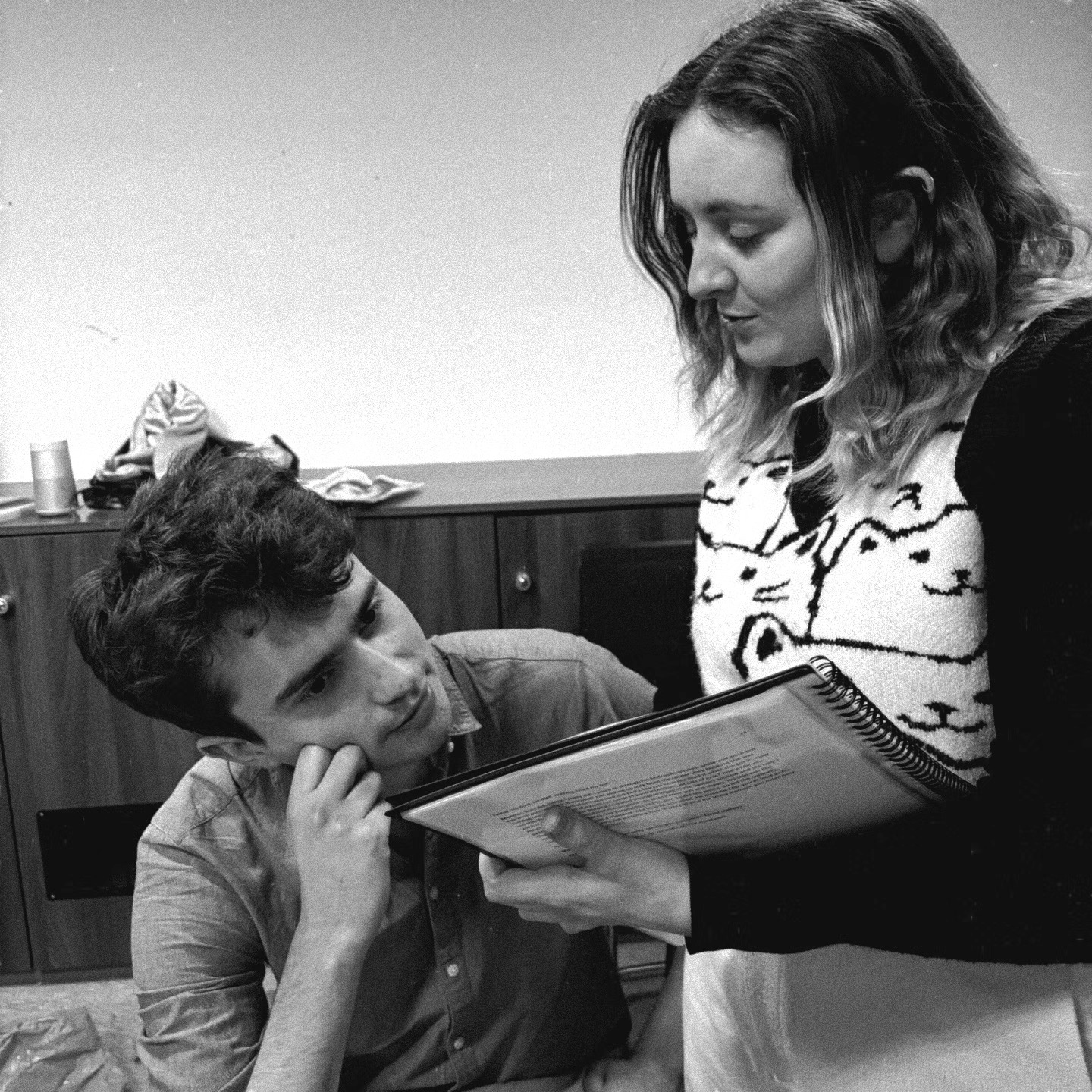
Friends of David aims for work that is “abstract, bizarre, and grotesque”. As both writer and director, how do you balance these heightened styles with the “emotional, subconsciously driven” performances you seek from your cast?
It can be a rocky thing to translate. I have a very specific vision of things, which can occasionally be quite difficult to articulate. I think the key has been the maxim that it is the situation the characters find themselves in, apocalypse notwithstanding, that touches on the abstract and such, but not the characters themselves. These are normal people with normal fears, hopes, and wants, and they’re doing the best they can. The nature of their circumstances is not strange to them, because it is all they have ever known. People may not always know what they want consciously, but they always know how to respond to circumstance. Put through that lens, it becomes easier to collaborate with my cast on what’s needed for each vignette.
Given the surreal nature of the show, what can you tell us about Benedict Case’s technical design? How do light and sound contribute to the feeling of “channel surfing” through different lives?
It would be tempting to perhaps indulge in something more bombastically abstract for such technical elements, but Benedict and I both agree that simplicity is often more effective. We’re looking to establish a preliminary tone and texture with the light and sound, with only certain moments leaning into something more complex. We’re looking to keep the cast and their work front and centre. We’ve got this sound like a distorted balloon popping that signifies the end of the scene, and, therefore, the world. It’s this quick, sharp thing that lands us in a half-dark that wipes the slate clean for the next episode. It’s a small, simple thing, but I think the joy of working inside restriction is seeing how far you can push what little you have.
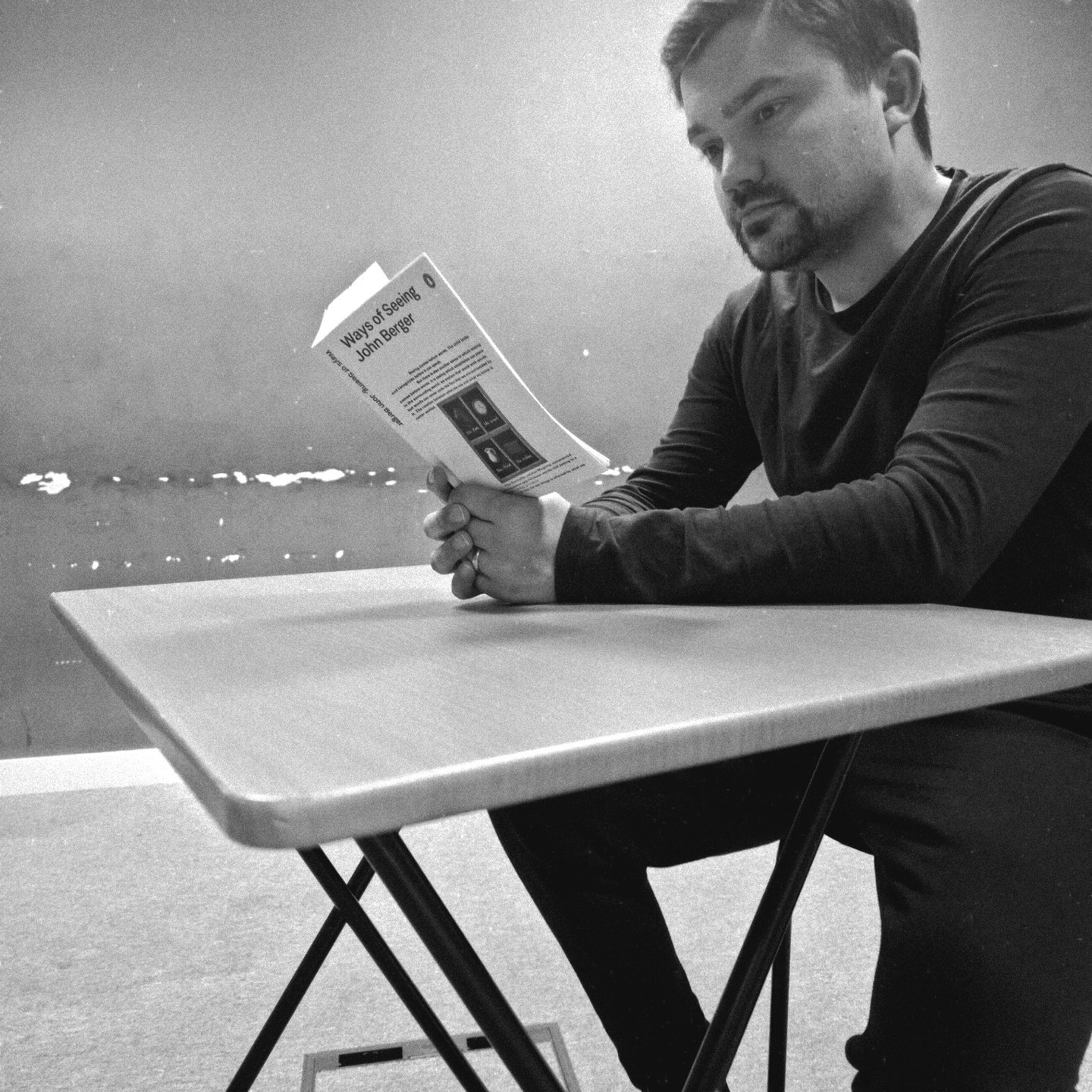
After the final “channel” is turned off on April 25th , what is the one question or feeling you hope the audience carries with them as they head down the creaky stairs and into the wonderful Hen and Chickens pub?
I hope people are curious, and that the play encourages a further curiosity in their lives beyond the theatre. I think curiosity might be a bit endangered these days, it’s really depressing to see. All of our art is becoming this increasingly homogenous, “accessible” grey goo, people are cashing in on late-stage capitalist exhaustion. It doesn’t have to be that way, all art is accessible because all true art is human, it is a hand outstretched. I don’t blame people for wanting to switch off in today’s climate, but I’ve an awful feeling that’s how we lose. The death of our collective artistic curiosity is the death of our curiosity with life. If that’s the case, I fear who and what might take advantage of that.
Thanks to Callum for taking some valuable time out of what little time we may have left before the apocalypse happens. Hopefully that won’t be before Monday 20 April, when the play opens at Hen and Chickens Theatre, and runs through until Saturday 25 April.