A well-intentioned exploration of abuse and friendship is undermined by an overcrowded script that muddles its message.Rating
OK!
Stories about abuse are tricky. They must strike a careful balance between confronting the darkness at their core and avoiding a sense of exploitation for the sake of drama. Unfortunately, When We Were Us, written and directed by Jade Winters, struggles to find that balance. The play follows four friends who reunite for a drink after a long time apart, only for a series of secrets to quickly emerge over the course of two bottles of wine.
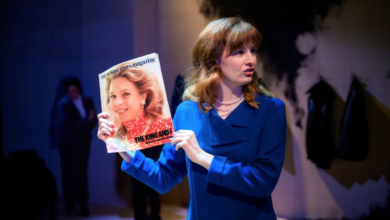
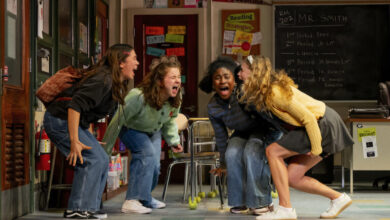
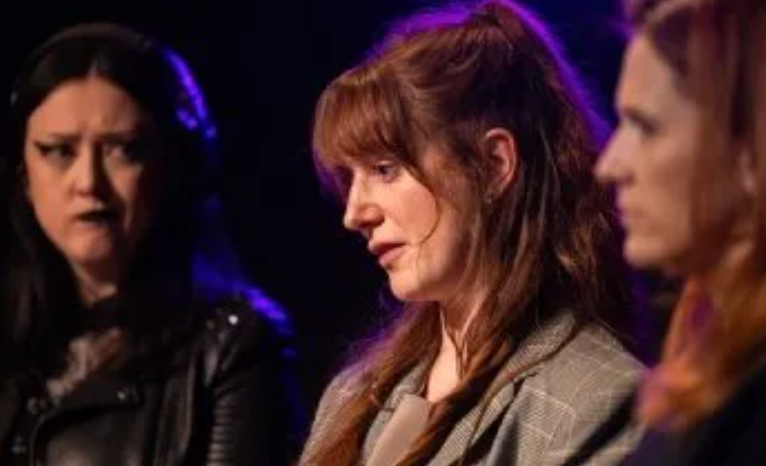
The ensemble cast includes Brooke (Victoria Broom), the absentee friend no one expected to show up; DJ (Emily Cordell), a nervous and introverted woman glued to her phone; Blake (Violet Grace Fink), a quick-to-judge internal misogynist; and Kelli (Katie Hamilton), the self-appointed ‘responsible’ one. On paper, this mix should produce sparks, yet the chemistry rarely materialises. A bloated script filled with flashbacks, a poorly integrated livestream domestic abuse court case plotline, and the main narrative all compete for attention, leaving little room for the characters to develop. The four women feel strangely disconnected from one another, making it difficult to believe that they even know each other, never mind being best friends once.
Too much happens at once, yet the central story moves at a frustratingly slow pace. One character receives frequent costume changes throughout the flashbacks while the other characters remain in the same outfits across the play’s two-year timeline, adding to the sense of inconsistency. Meanwhile, every character reveals a major, life-long secret that they haven’t mentioned over the course of several years-long friendships, on a night when they haven’t all spoken for nearly a year, stretching credibility as revelation after revelation spills out.
The most compelling moments come from the deterioration of Brooke’s relationship with Moira (Lottie Bell, making the most of limited stage time). The way quiet manipulation escalates into overt abuse is unsettling. Yet for a show whose central theme is the power of friendship to break these cycles, it’s frustrating that the trauma proves more engaging than the hope or solidarity between the women. The final scene, which appears to avoid an easy reunion ending, instead lands as a strangely sinister monologue centring the perpetrator rather than offering clarity about the cycle of abuse. It undermines the themes of the show in full, prioritising the narrative of the perpetrator rather than the victim.
There are flashes of a stronger play beneath the clutter. Sharp lines and brief character moments hint at a more focused and affecting story. Fink is particularly strong in a difficult role, portraying the sceptical friend who must remain sympathetic. However, the narrative ultimately feels muddled, veering closer to a melodramatic television special than the challenging and necessary piece of theatre it aims to be.
With significant tightening and a clearer focus on its central relationships, When We Were Us could yet shine. At present, however, the script undermines the strength of its own subject matter and the characters who should be the heart of it.
Written & Directed by: Jade Winters
Produced by: Alex Hogben & Wicked Winters
Set Design: Livia Holbrook
Sound Design: Eva Black
When We Were Us plays at The Jack Studio until Saturday March 14