


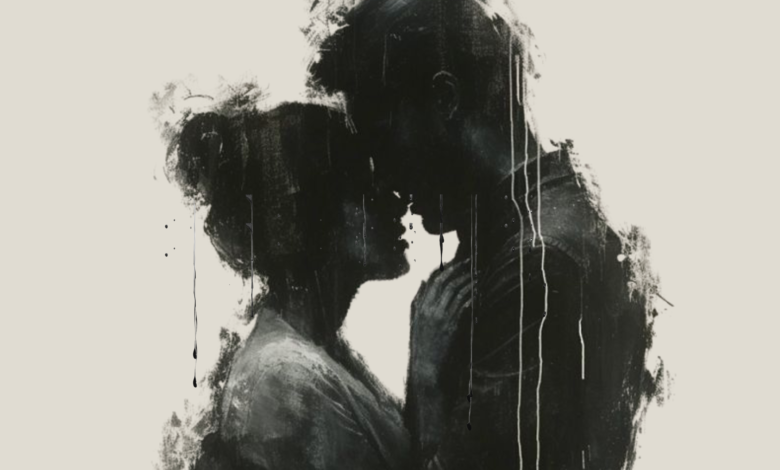
Doe Wilmann discusses While We Wait
In the fringe theatre world, we are used to seeing relationships put under the microscope, but rarely is that microscope as surreal as the one promised by Doe Wilmann’s While We Wait.
Playing at the atmospheric Arches Lane Theatre (nestled beneath the iconic Battersea Power Station), this new play explores a relationship where time itself is the antagonist. Imagine falling in love when you are experiencing life in slow motion and your partner only has a year left to live. It is a high-concept premise that promises equal parts absurdist comedy and existential heartache.
To find out how you translate a “temporal rift” onto the page, we sat down with Doe to discuss the mechanics of a time-slowing romance and the beauty of the “wait.”
The concept of two people living at different speeds is such a visceral metaphor for modern relationships. Did the idea start with the “physics” of the time-slip, or did it start with a specific feeling of being “out of sync” with someone in your own life?
It started while I was out running and listening to a podcast. For a few seconds the podcast slowed from 1.5x speed to what seemed like 0.5x speed before returning to normal. And in that moment, the whole thing – the idea, the story, the characters – was revealed to me. The first draft wrote itself over the course of a week. It’s changed a lot since then but the key beats are still in there.
You have a successful background in podcasting (Meaningless Problems). When writing this, how did you resist the urge to “tell” the story in audio form rather than as a stage play?
I’m a playwright first and foremost and While We Wait was never going to be anything other than a play. I actually wrote the first version of the play in April 2022 and the short story podcast began the following year.
But the experience I’ve just touched upon, where the idea revealed itself to me and the play, in effect, wrote itself utterly transformed by relationship with writing and led to abundance of short stories I’ve written since.
What I’ve discovered is that creativity isn’t something a person does, it’s something that reveals itself through a person. Since that run, I’ve had over 1200 original story ideas. They’ve all appeared to me as though someone else has whispered them into my ear. And everything, from the writing to the editing to the performing of the stories, has happened by itself in a state of flow.
Whenever I try to write or try to think of an idea, that’s when I get into trouble. But if I accept that it’s not really me who’s doing the writing and get out of the way, interesting things emerge.
It’s not just changed my writing. It’s changed my life. And I now run a small business called ‘Love Your Work’ where I teach this approach to others.
Every high-concept play needs its own internal logic. What were the “rules” you set for yourself regarding how these two characters can interact, and did you ever find yourself breaking them for the sake of the drama?
The audience sees the play at normal speed, apart from one moment. Slow motion on stage looks naff (hopefully our one moment is an exception) and the drama always needs to come first.
Are the characters of the Man and the Woman intended to be “Everyman” figures, or did you give them specific backstories that ground their strange physical conditions in a recognisable reality?
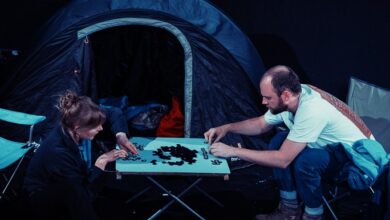
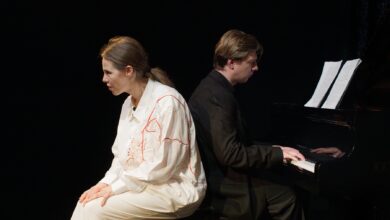
Lee and Trudy are both very much real characters. You can get away with Everyman figures in short stories but it rarely works on stage, and wouldn’t work at all in a two-hander. There might be a big counter point to that claim that I’m unaware of but it’s not something I’d want to do anyway. Lee’s a nurse, Trudy writes corporate advertorials. They don’t on the face of it have a great deal in common. But she’s there when he starts to experience life in slow motion and this absurd event brings them together.
Did you write this play with a specific “fringe” intimacy in mind, or do you envision this story functioning the same way on a massive West End stage just as easily?
I think it would work best running on the west end and broadway for the next twenty-five years with various film and TV adaptations. But yes, we’ll start with one hundred seats and see how it goes.
You’ve acquired the directing skills of Scott Le Crass, how did that come about and what has Scott brought to your writing?
Much like the writing and editing process, the casting and directing happened by themselves too. I listed the play online for a staged reading about a year ago and had lots of applications. Kirsten Callaghan felt instinctively right for Trudy. She encouraged her friend Ricky Oakley, with whom she’d studied at Rose Bruford, to apply for the part of Lee. And in my first meeting with him it was like I was talking to the character. This left us in the slightly awkward position of having cast the actors before securing the director. But Ricky recommended Scott. I sent Scott the script. He loved it. We had a great conversation where, in keeping with the play itself, time flew by. He saw so many things in the text that I didn’t know were there.
And that was how the team was formed.
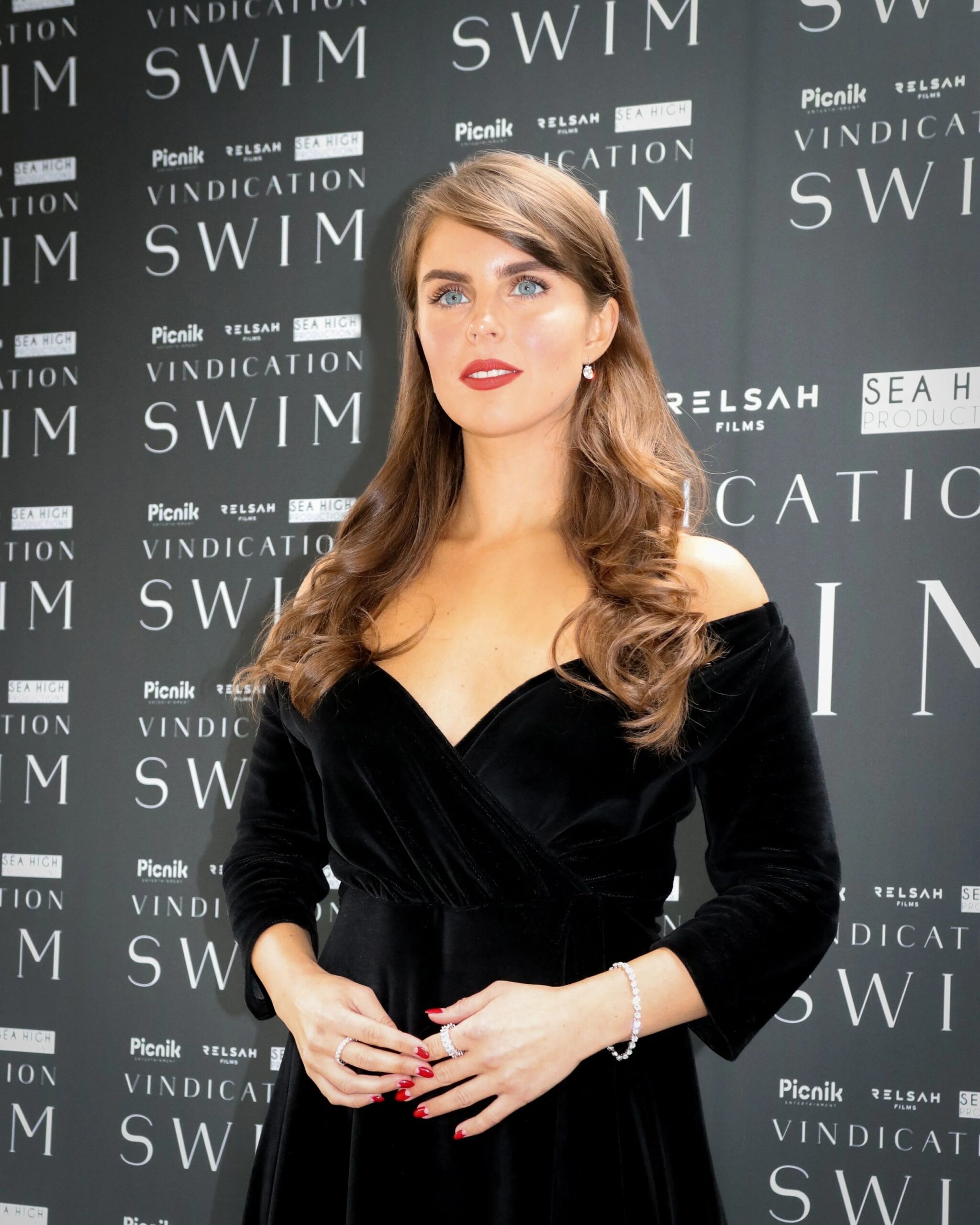
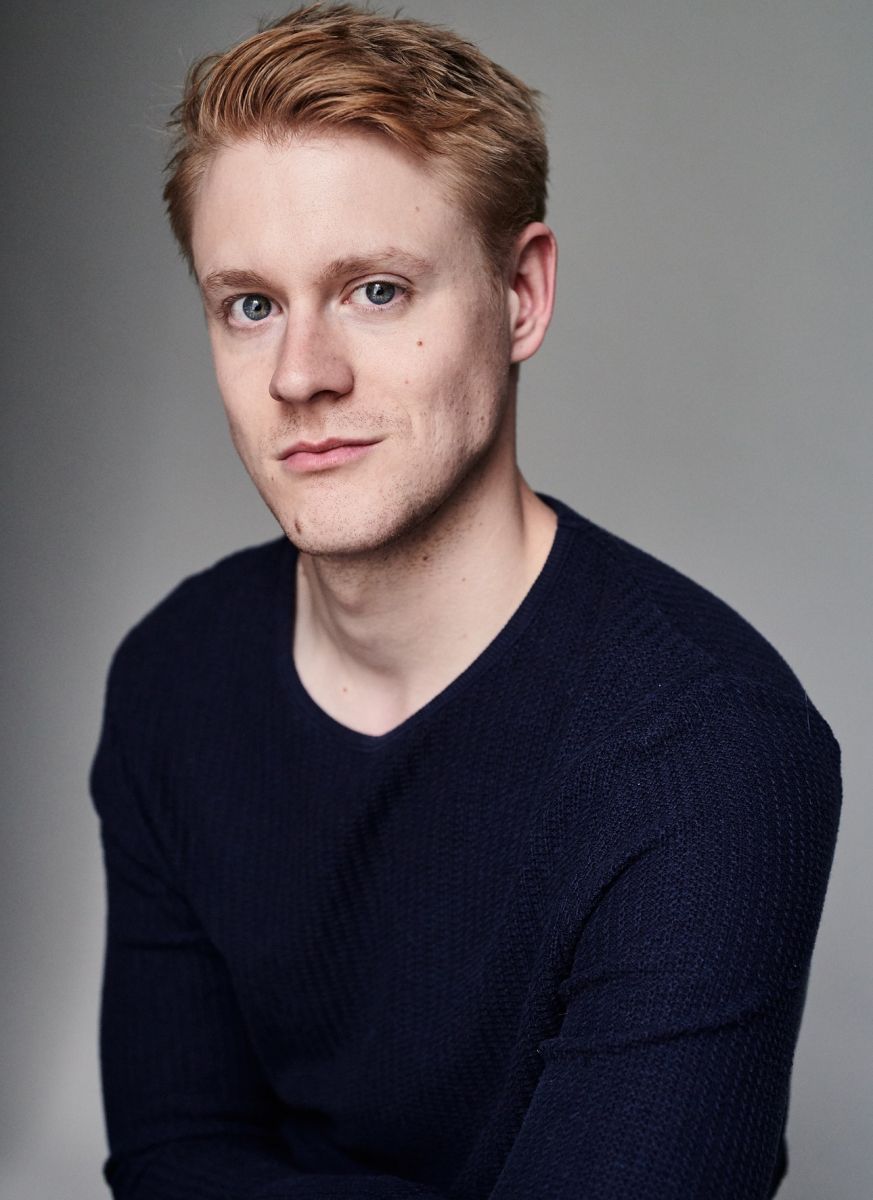
This was all sorted out about nine months ago so they’ve all had a lot of breathing space to prepare for this. And they’re all brilliant.
If you could sit in the back of the Arches Lane Theatre and whisper one thing into the ear of every audience member before the lights go down, what would it be?
Shhhh, the play’s about to start.
Thanks to Doe for their time to chat to us. While We wait plays at Arches Lane Theatre from Tuesday 3 to Saturday 7 March.



One Comment