Amy Clayton chats about The Lighthouse
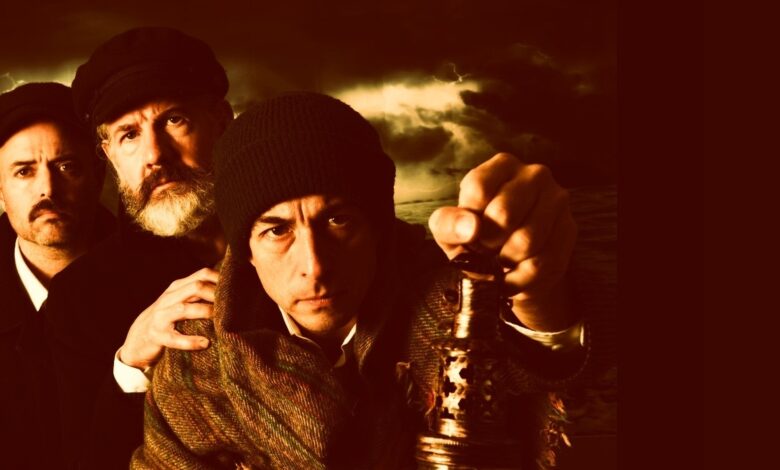
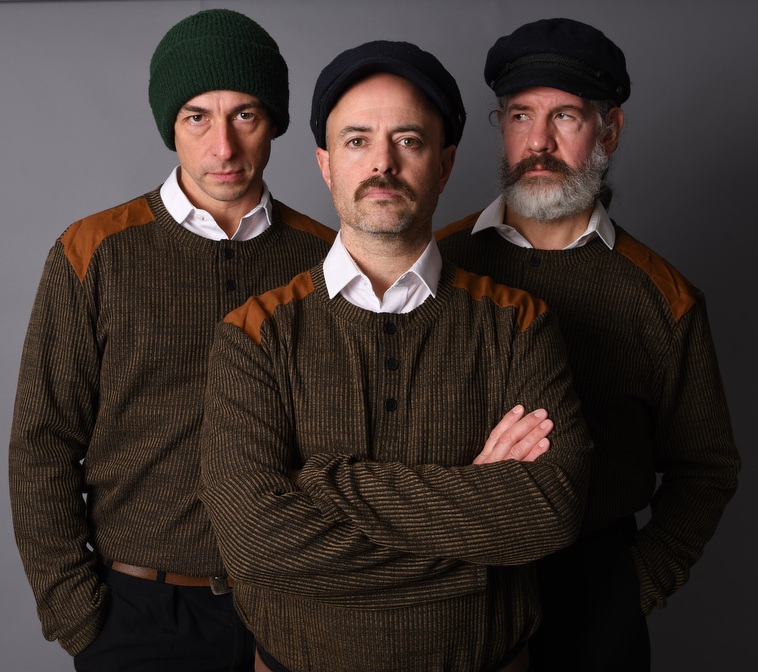
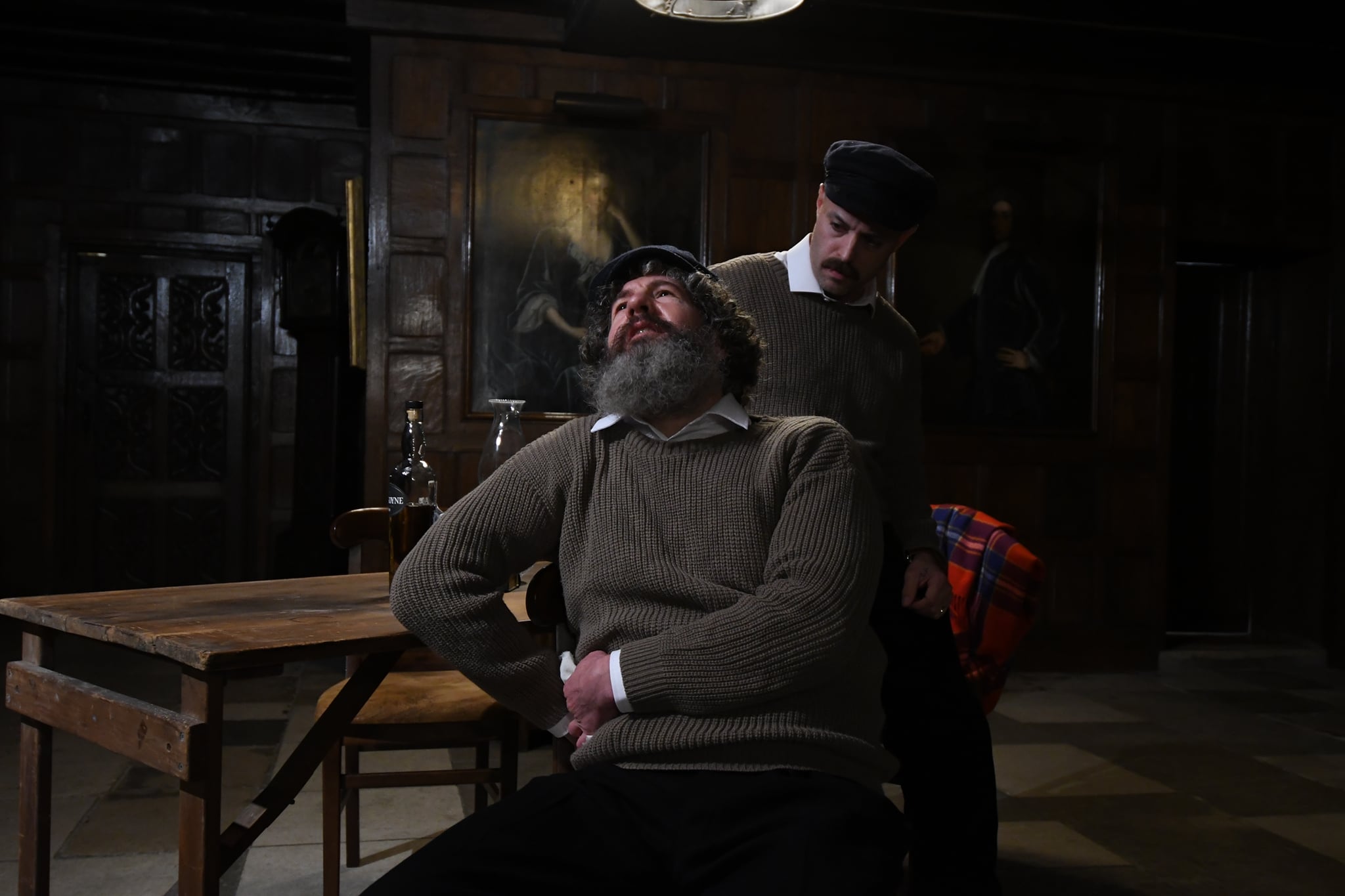
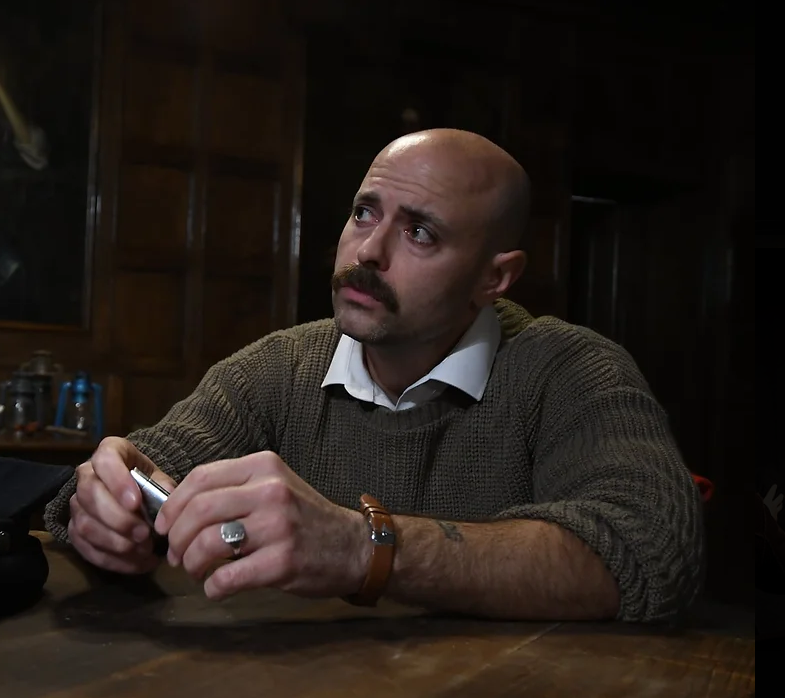
Following its success at the Edinburgh Fringe, Early Doors Productions is set to tour its highly acclaimed psychological thriller, LIGHTHOUSE, across the UK throughout 2026. This “gripping twist of a piece” is set in the isolated Caillte Lighthouse off the coast of Angus shortly after World War I. The story delves into the crumbling psyches of three lighthouse keepers, Morgan, Mac, and James, as their loyalty and sanity are pushed to the brink by trust, paranoia, and greed.
Previously recognized by The Herald as a “Top 20 Must-See Show,” the 55-minute production has earned critical praise for its “dread-filled atmosphere” and “rock solid performances”. The upcoming tour will bring this intense journey to various venues, including the Coach House Theatre, Dixon Studio, Bread & Roses, and appearances at both the Brighton and Camden Fringe festivals.
We caught up with director Amy Clayton to shine a light on the play and the joys, or otherwise, of touring.
LIGHTHOUSE is described as a “gripping twist of a piece” set just after WW1. What drew you and Early Doors to this specific historical period and the intense, isolated setting of a North Sea lighthouse?
There is a tension that is often overlooked with the aftermath of WW1. The war was a constant, looming presence rather than a series of battles, and was not only fought in trenches and on the front lines, but also in remote, quiet places where individuals lived with prolonged uncertainty, fear, and moral ambiguity. That atmosphere of waiting and psychological strain felt especially compelling. A North Sea lighthouse offered the perfect physical expression of that tension. Its isolation, surrounded by darkness, cold, and relentless water, mirrors the emotional and mental confinement of those stationed there. A lighthouse is meant to guide and protect, yet during wartime, it becomes a strategic vulnerability, turning something symbolic of safety into a source of danger. That contradiction fascinated me, as it allowed me to reflect the themes of duty, paranoia, and survival that defined the period, and the bleak years that followed.
The story follows two keepers training a third before their “loyalty, friendship and ultimately, their sanity” are questioned. As a director, how do you visually and tonally manage that descent from professional training into paranoia and greed?
Gradually! Almost imperceptible at first, so the audience feels it happen rather than watches it happen. Visually, the early stages are marked by order and routine: composed stage-framing, regular movement, controlled colour that reflects discipline and normality. As the characters begin to unravel, the visuals subtly shift – scenes become tighter, movement less predictable, and shadows start to dominate the stage. Lighting grows harsher and more contrast-heavy, mirroring how their world narrows as their perceptions distort. Tonally, I wanted to express erosion rather than sudden transformation. Familiar and friendly dialogue slowly give way to repetition, fixation, and emotional leakage. The silences become heavier, and the small sounds – wind, waves, breathing – take on an oppressive quality. Greed and paranoia aren’t presented as external forces but as pressures born from isolation, fear, and vulnerability. By letting those elements seep into the character choices, the descent feels inevitable, as if the environment itself is pushing the characters away from themselves and toward an unequivocal obsession.
Morgan, Mac, and James – friends, comrades, and potentially enemies. How did you work with the cast to build a believable history between these characters that can be dismantled in just 55 minutes?
Good question. It wasn’t easy! Fortunately I have an incredibly talented cast who are ultra-responsive to my wants. From the beginning, the focus was on building trust and specificity rather than a backstory overload. We spent time discussing who these people were before the story begins – shared routines, unspoken hierarchies, and small habits that come from working together in isolation. Not all of that needs to appear on the stage, but it gives the actors a common emotional language to draw from, so their interactions feel lived-in from the first moment. Rehearsals centre on restraint. I encourage the cast to play professionalism and familiarity rather than tension, allowing warmth, humour, and efficiency to surface naturally. That groundwork makes the breakdown possible within such a short runtime: when the structure starts to crack, the audience feels the loss of something real. I try to avoid pushing the conflict too early, and by protecting that sense of normalcy and mutual reliance at the start, the dismantling of their relationship becomes sharper, faster, and hopefully more believable within the 55-minute arc.
Your tour includes varied spaces like the Dixon Studio, Bread & Roses, and The Space. How does the intimacy and layout of these different venues change the audience’s relationship with the claustrophobic setting of the lighthouse?
The intimacy of each venue fundamentally reshapes how the audience experiences the lighthouse and, by extension, the characters’ confinement. In smaller, more enclosed spaces, the audience shares the same lack of distance as the characters, they can hear every breath, every shift in posture, and every silence. That proximity heightens the claustrophobia, making the setting feel less like something observed and more like something endured alongside the characters.
In larger venues, the layout allows for a different kind of tension. The scale creates a visual contrast between the vastness of the space and the characters’ psychological imprisonment, which can amplify the sense of isolation. Sightlines, seating angles, and the physical distance between audience and stage become tools: some viewers may feel like silent witnesses, others like trapped occupants. By adapting blocking, sound design, and pacing to each venue, the relationship between audience and the piece remains active, ensuring the claustrophobic atmosphere is felt regardless of scale, but always in a slightly different, site-specific way.
How has the production evolved for this current UK tour since its successful 2022 EdFringe run?
After its unexpected success and recognition, taking the show onward was a huge decision. We are a very small, self-funded company attempting quality original pieces in the hope of eventual world domination (!) However, the finances of such a feat and the locations chosen were all secondary to ensuring the piece could be tightened for a more exciting experience. While the core story and structure remain rooted in its original narrative, we have reworked dialogue for an even more natural feel, and refined some technical and atmospheric elements to suit different theatre sizes and audience configurations.
What are the unique challenges of touring a high-tension, atmospheric thriller to multiple cities? Does the “dread-filled atmosphere” require a different technical approach when moving from venue to venue?
When delivering this piece to multiple places I’m constantly aware that I am trying to protect something fragile: the build of dread. The biggest challenge is consistency – ensuring that the psychological pressure, pacing, and sense of unease survive contact within very different spaces, with differing acoustics and audience proximity. Unlike spectacle-driven work, this kind of piece lives in the margins: silences, shadows, breath, and timing. Those elements are easily disrupted if a venue isn’t fully understood and engaged with. Because of that, the show requires a flexible technical approach. Sound and lighting are treated as living systems rather than fixed cues. We adjust levels, fades, and textures to respond to each room’s scale and resonance, often reshaping moments of silence or darkness so they feel oppressive rather than empty. In some venues the tension will come from the intimacy and closeness; in others it will be about carving out isolation within a larger space. The key is adaptability without dilution – maintaining the emotional rhythm of the piece while letting the technical design subtly recalibrate for the atmosphere to remain tight, unsettling, and immersive on every performance.
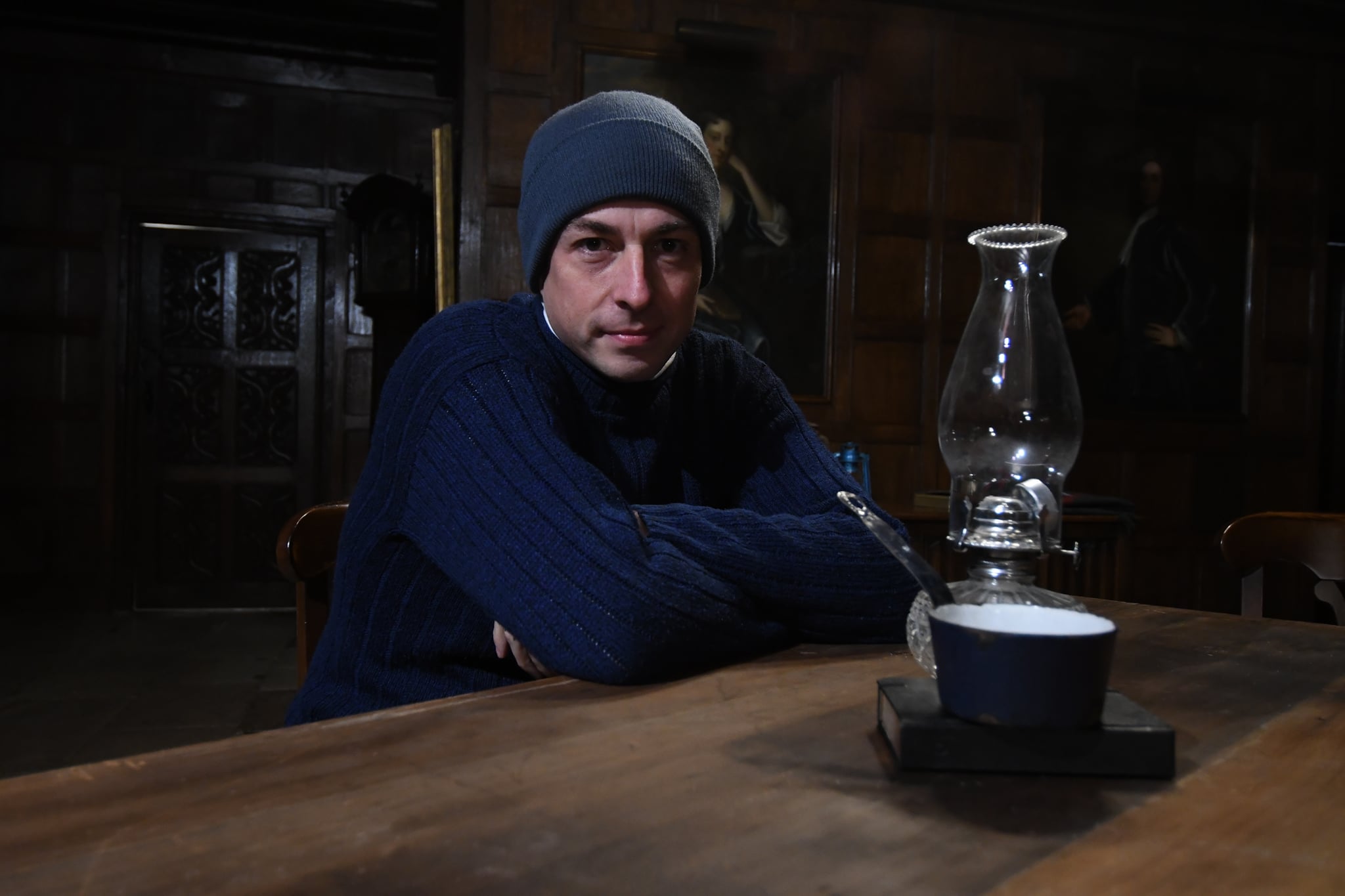
Early Doors Productions has a reputation for being a leading dramatic group in Essex. What do you hope audiences across the wider UK, from Malvern to London to Brighton, take away from this particular story?
With any horror/thriller, it is hoped that audiences leave with a lingering sense of unease, but in this case, also reflection. On the surface, it’s a tightly wound horror/thriller, but underneath that, it’s about what happens to people when beliefs, routines, and safeguards fall away. Set after a moment of national crisis, the story asks how fear, isolation, and the pressure to survive can quietly distort judgement, morality and mortality. I hope it resonates beyond the genre – prompting questions about trust, duty, and how quickly certainty can fracture under strain. If the show stays with them after they leave the theatre, not just as a scare but as an examination of human behaviour under pressure, then I may have just done my job ok.
Thanks to Amy for taking the time to chat with us. The Lighthouse begins a UK tour from 30 April, before playing as part of Edinburgh Fringe from 24 August. Full tour dates and tickets available below.