What better way to honour the recent 250th anniversary of Jane Austen’s death than by exploring her potential queerness in an infamous 17th‑century church?Rating
Excellent
The rain hammers down as in a Dickensian novel, and we wind our way to the stark portico of the 1633 Inigo Jones-designed place of worship/bar/theatre – described by the architect himself as the “handsomest barn in England”. All this historical filling‑in will soon make sense, as this afternoon’s collaboration between the London Review of Books and the City of London Sinfonia is historical nerdiness at its height. Only enter if you are willing to be lost in Austen, 18th‑century music, or 17th‑century interiors.
Blessedly, I love all three. In 1995, American author and academic Terry Castle caused a literary brouhaha with her article and review ‘Sister‑Sister’, on Jane Austen’s Letters, edited by Deirdre Le Faye. The tagline “Was Jane Austen gay?” seemed to be the point people got stuck on. The LRB fanned the flames in classic, cutting style by printing the outrageous, erroneous and at times borderline homophobic letters sent in reply. Rather perplexingly, 30 years later we get a concert/reading/performance on the subject.
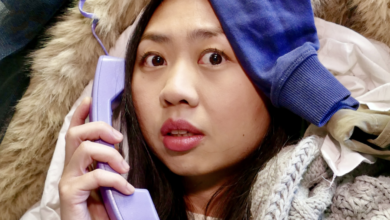
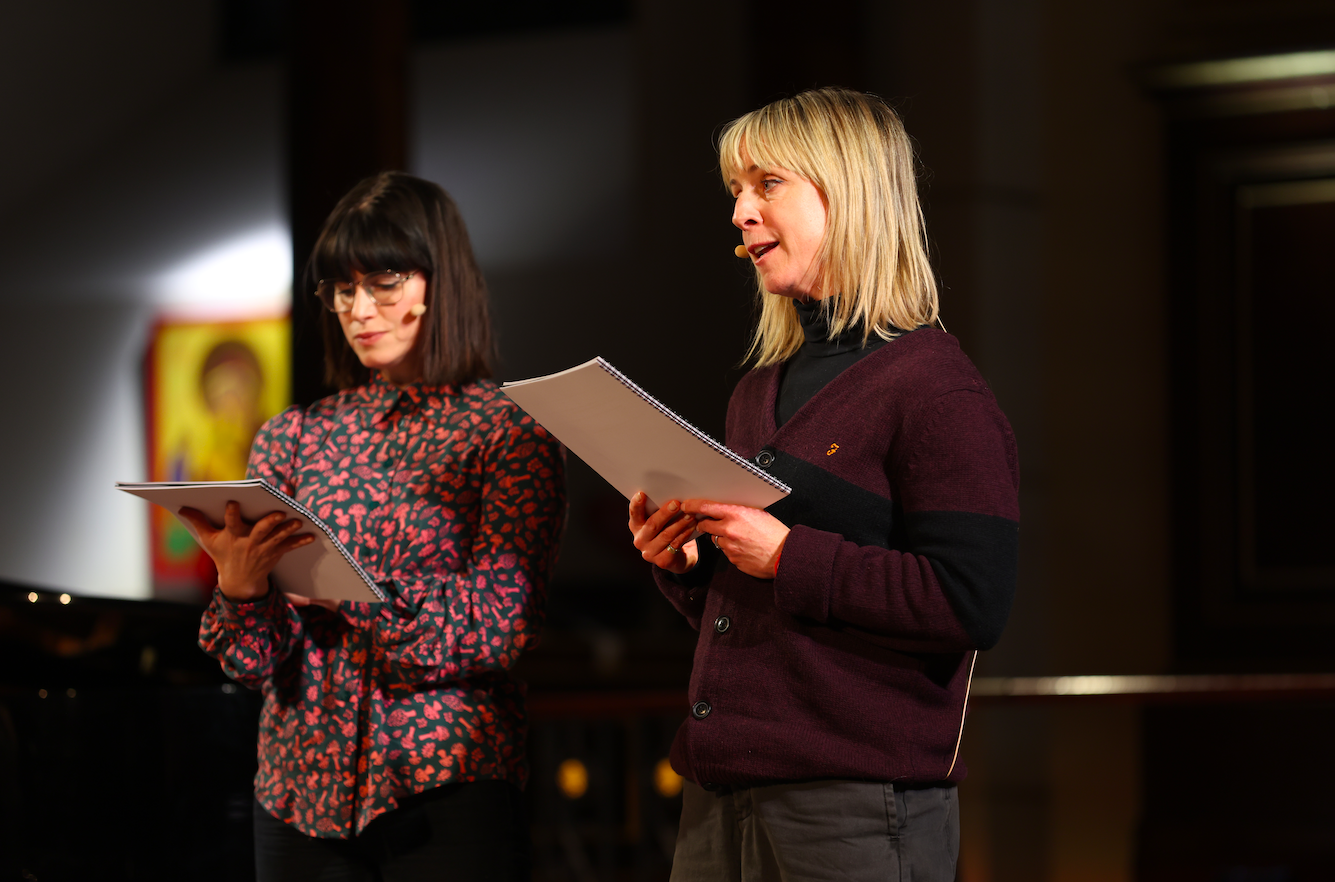
Telly and stage actresses Claudie Blakley (Pride & Prejudice, 2005) and Jemima Rooper (Lost in Austen) are true Janeites (Austen fans). Although clearly too cool for costumes, they look like attendees at a book reading. They breathe life into Sam Kinchin‑Smith’s script, which blends Castle’s sharp prose with excerpts from the letters themselves, reports from other family members and quotations from Austen’s novels. This is lively, meticulous research exploring the writer’s relationships, descriptions, and potential feelings for the women in her life.
To break up all those particularly wordy missives, we have Thomas Arne’s flighty opera Artaxerxes (which Austen attended), Isobel Waller‑Bridge and David Schweitzer’s score for the 2020 Emma: Colonel Mellish’s setting of the Ben Jonson poem To Cecilia. Along with songs mentioned in her books and kept in the Austen household, we are also treated to some swooping Handel and Haydn – both contemporaries. Soprano Anna Dennis, in equally chic attire, sails into the cavernous space, her upper register an honour to experience. James McVinnie on piano, Rebecca Knight on cello and Ruth Funnell on violin all exceed the size of their modest orchestra with frolicking musicality. The concept really shines when actor and orchestra work simultaneously, with cinematic results.
The evening asks many interesting questions. The obvious one: what relationship did Jane and her sister Cassandra share (along with a bed)? But also: why was so much vitriol directed at an academic questioning a celibate and famously single writer? What is the nature of familial and erotic feeling? Most importantly, should we not be able to ask these questions without fear of retribution? The letters and their sororal relationship have long been dismissed as trifling, but among (in Austen’s own words) her “important nothings” are wit, whimsy, contradiction, and an eye for the female sex that, once opened, cannot easily be closed again. The heartbreak at the novelist’s death and subsequent editorial mangling by Cassandra leaves us tantalised, forever unable to glimpse those retracted and burnt passages from one of the nation’s brightest minds.
Included entries from Anne Lister’s steamy diaries and more open appraisals of 17th‑ and 18th‑century same‑sex relationships contribute to a queer literary biography renaissance. However, the comments section on the LRB’s Instagram reminds us we still have a long way to go. We will never know the inside of Austen’s heart, but we must be able to delve into its theoretical depths with the alacrity of her female heroines. Tonight’s performance shows that, thankfully, we now have much more choice.
Written by: Sam Kinchin-Smith
Directed by: Sam Kinchin-Smith
Produced by City of London Sinfonia and the LRB
Soprano: Anna Dennis
Cello: Rebecca Knight
Piano: James McVinne
Violin: Ruth Funnell
This show has completed its current run.