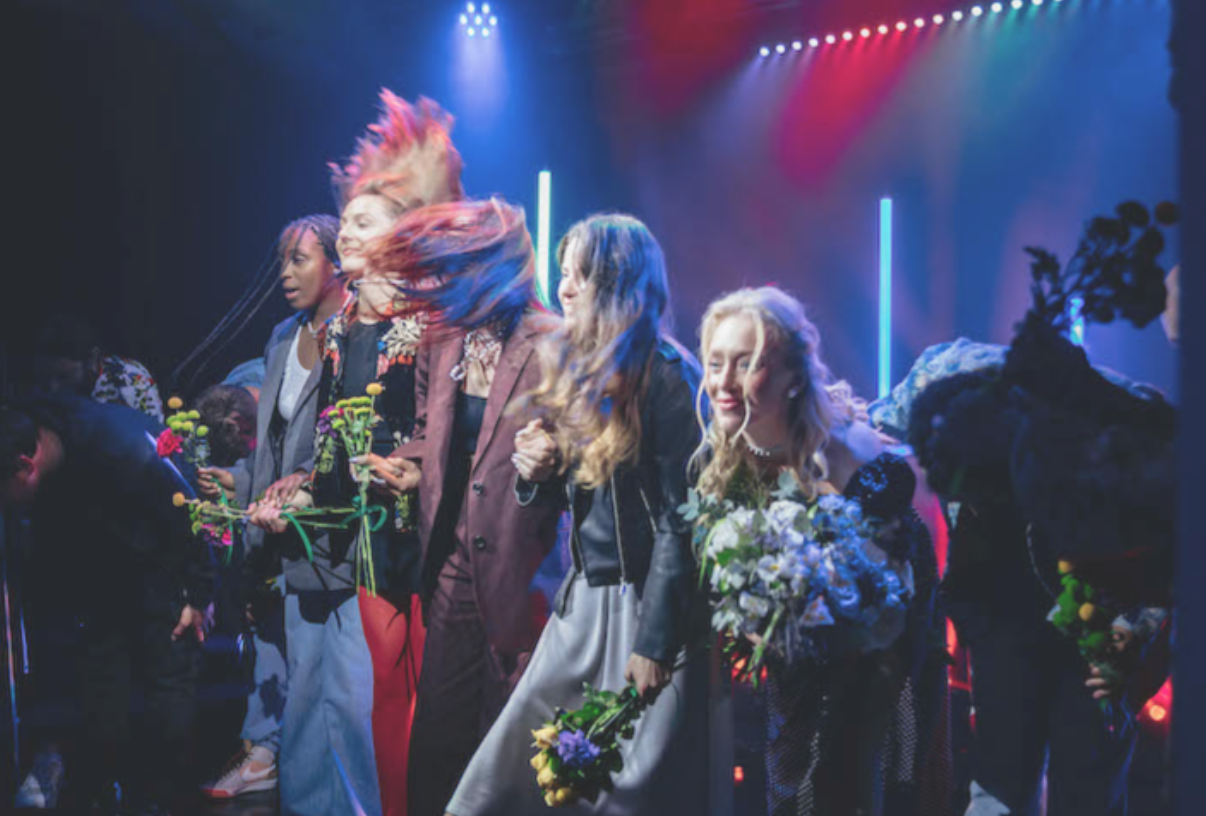
A show with important, fascinating stories at its centre that shies away from substance in favour of surface-level remarksRating
Poor
The Tabernacle hosts work that matters, and bringing together performers in exile is valuable. A gay man fleeing political persecution. A woman rejected by both Russia and Nigeria. An artist from Donetsk with no home to return to. These are lives containing real complexity. The performers’ willingness to be vulnerable deserves respect. But respect for the artists doesn’t make this work as theatre.
Sorry for My English positions itself as a comedy night interrupted by reality. One performer discusses how an olive branch from the French government feels too good to be true. It’s a genuine observation that could lead somewhere. Instead, the show nods and moves on. This happens repeatedly: a long anecdote about a cat scratching furniture goes nowhere; political commentary boils down to ‘far-right politics and war are bad’; a joke about mishearing ‘finance’ instead of ‘fiancée’. To subvert comedy and theatre, you need to understand both forms deeply enough to know what you’re breaking. This show doesn’t.
The structure uses a “sorry for my English” refrain when the comedy mask cracks. Vadim Korolev understands this and actually performs linguistic struggle, delivering lines with hesitations and false starts. His timing is sharp. Everyone else just says the line before moving on.
Dark comedy requires precision: timing, audience trust, real payoff. Without these, it sounds like complaining or making light of tragedy. The performers state observations without the skill to land them. They haven’t built rapport, so asking the audience to laugh at displacement feels awkward.
The war in Ukraine gets mentioned. Several performers have lost their homes because of it. The show acknowledges the trauma, but neither explores its dramatic weight nor finds gallows humour in it. The political aspects fail similarly. Mentions of Elon Musk and a “weird orange man” aren’t radical just for being vaguely left-wing. Real political theatre, from Brecht onward, requires specificity and craft, not just assuming the audience already agrees. This show relies on the idea that agreement is somehow inherently funny rather than examining power or complicity.
What’s frustrating isn’t that it fails to be funny; it fails to examine anything new. These are experienced theatre artists. Aleksandr Spilevoj is an accomplished director and playwright. They have the skill to dig into what code-switching means, what losing your country does, and what it costs to perform different versions of yourself across borders and languages. Instead, the writing offers formulaic observations about the immigrant experience and tired political jokes.
A show choosing this subject deserves to say something real. The people on stage deserve better material. The audience deserves to leave having actually thought about something. The stories being told deserve more than surface-level observation from people who clearly know how to do better work.
Written & Directed by Aleksandr Spilevoj
Artistic direction by Ivan Vyrypaev
Produced by Maksim Volkov & Sara Tokina
Sorry For My English has completed its run at The Tabernacle.