A well-intentioned but ultimately underdeveloped new play tackling incel culture and the issue of explicit AI deepfakes.Rating
Ok
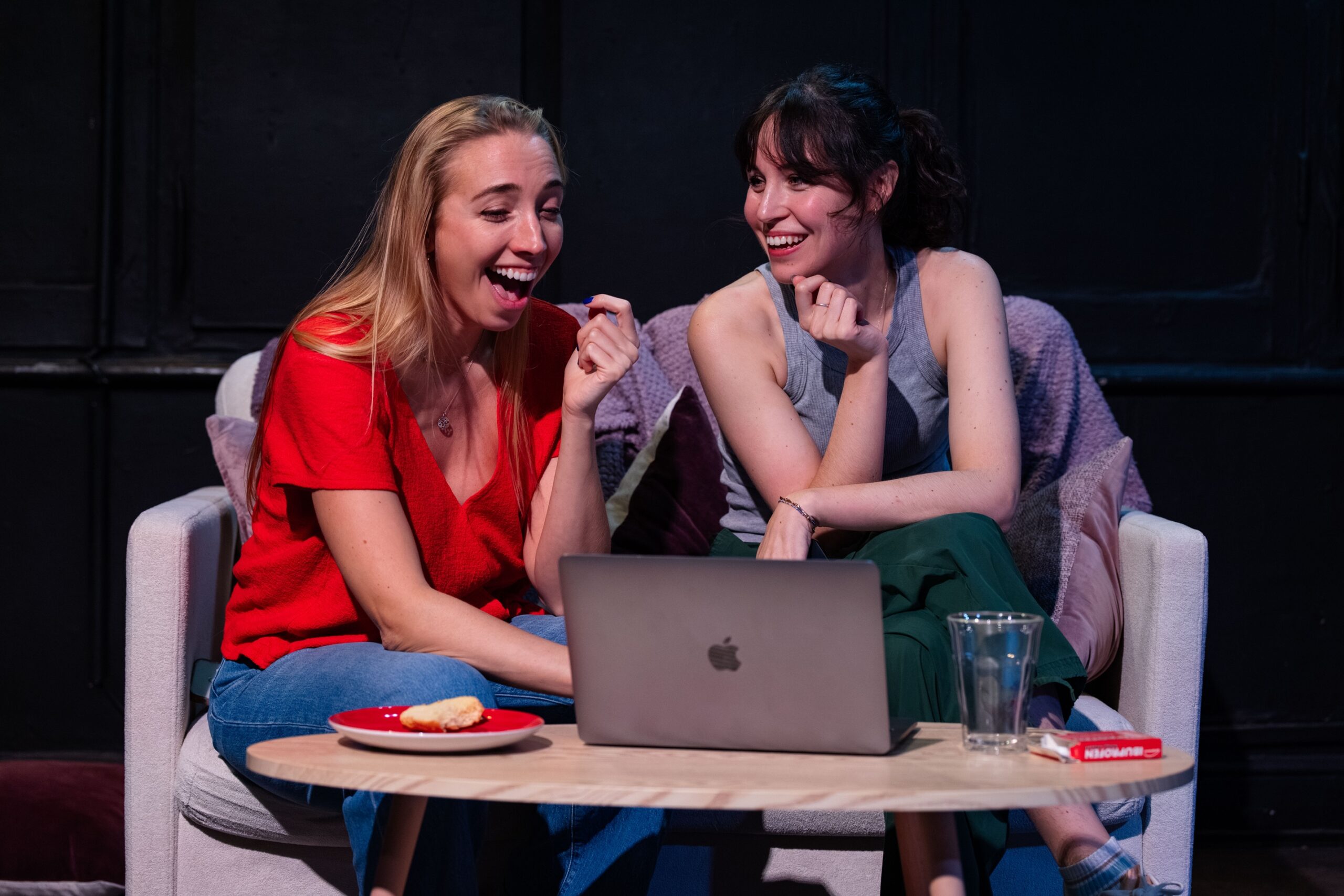
Flatmates Kate (Elizabeth Colwell) and Allie (Josselyn Ryder) are modern city-dwelling women living in Washington DC. Both have vibrant social lives, hobbies and solid careers; Kate is a paralegal and Allie works in TV/Film production. They face the unthinkable when Kate receives an email containing explicit AI deepfake images and videos in their likeness. As their close friend, Mark (Aaron Lynn), waits for them downstairs for a planned day trip, the reeling and confused women must piece together the clues to figure out who did this and why.
Part of Write Club 2026, the Hope Theatre’s new writing festival, writer Ben Hatt’s three-hander tackles a highly topical subject matter. As AI-related crimes become a more prevalent and pressing issue worldwide, Hatt’s main point of concern is revealed to be the lack of regulation and the destructive effects this has on victims. He takes a hit at incel culture, placing his perpetrator in this community of keyboard warriors who operate via untraceable anonymous email addresses, interacting through shadowy forums and Reddit threads. Ultimately, he condemns them, with the reasoning for the creation of the media that could potentially ruin two people’s lives being one man feeling invisible and under-appreciated: not at all an inconceivable notion.
Colwell does excellent, consistent work as Kate. Her palpable panic thickens the air, her voice trembles, strained by the sheer horror of it all. It is entirely believable, showcasing her emotional range well. Ryder’s Allie regrettably leaves a lot to be desired, with an often one note performance that feels less authentic than her scene partner’s, and this is especially noticeable during the play’s climax. Lynn’s Mark has the least time on stage but makes an impression with a well-delivered big reveal monologue. His motivations and background (of which we get little across all characters) feels under-explored. It would be great to see more of the three characters interacting to help with that.
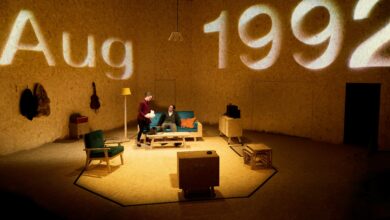
Blocking needs to be looked at for future runs. At the opening, Kate exits and enters multiple times to ‘shower’ and get ready, which results in the audience staring at an empty stage. The fight scene unfortunately also doesn’t really work and feels clumsy. Additionally, the thrust staging limits visibility drastically, with one example being the final confrontation scene; both Kate and Mark are completely obstructed from my view as Colwell’s back is to my section of the audience. However, director Hannah Eidinow excels in terms of pacing and maintaining tension throughout.
The violence that Allie eventually resorts to (although justified in Allie’s dialogue as a way to get media and public attention) feels unnecessary. It might be Hatt’s take on a wronged woman’s spontaneous expression of rage and desire for revenge but is more clearly a plot device to exemplify the grim reality that the perpetrator will not be legally punished or face any consequences. The play has the potential to be empowering, with tension built nicely up until this point, as we watch Kate and Allie deduce who the culprit is. It feels right that the women should get justice (even though it may not be ‘realistic’) and the ending ultimately reinforces the fact there is no hope here at all.
The main takeaway is a question: does this play bring anything new or of substance to the discussion? Unfortunately, despite Hatt’s good intentions, I don’t believe that in its current form it does.
You can read more about this show in our recent interview with Elizabeth Colwell, who plays Kate, here.
Directed by Hannah Eidinow
Written by Ben Hatt
Fight Director: Joseph Reed
Imposed has completed its current run as part of Write Club 2026 at The Hope Theatre