The Silence That Follows, The Hope Theatre
Running throughout January 2026, Write Club is The Hope Theatre’s premier festival of new writing, dedicated to showcasing bold stories and expansive ideas. Designed to breathe life into the London fringe during the winter months, the festival provides a vital platform for up to thirty selected shows to make their debut. Under the curation of Joint Artistic Directors Laurel Marks and Toby Hampton, Write Club fosters a collaborative community by offering playwrights and theatre-makers multi-night runs, professional venue support, and dedicated networking opportunities.
To showcase some of the shows taking place, we spoke to some of the creative teams bringing their work to this festival. Next under our gaze are Marie Castel (writer and performer) and Anna Clart (director), along with performers Oliver Maynard, Rufus Hunt and Anita Brokmeier, who all somehow squeezed onto our interview chair to tell us about The Silence That Follows.
You can catch The Silence That Follows when it plays on Friday 23 and Saturday 24 January. Booking information available here.
We will be publishing new interviews for Write Club 2026 throughout January. You’ll find all those currently published here.
What can audiences expect from the show?
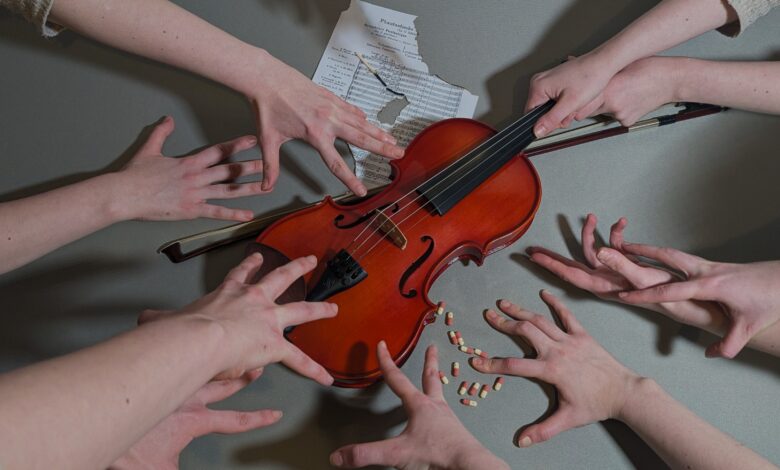
Marie: A musically inspired fever dream! Take two very unhappy, frustrated musicians, give them the physical manifestation of what they desire most, add someone’s life to ruin because of it, shake a bit and see what happens!
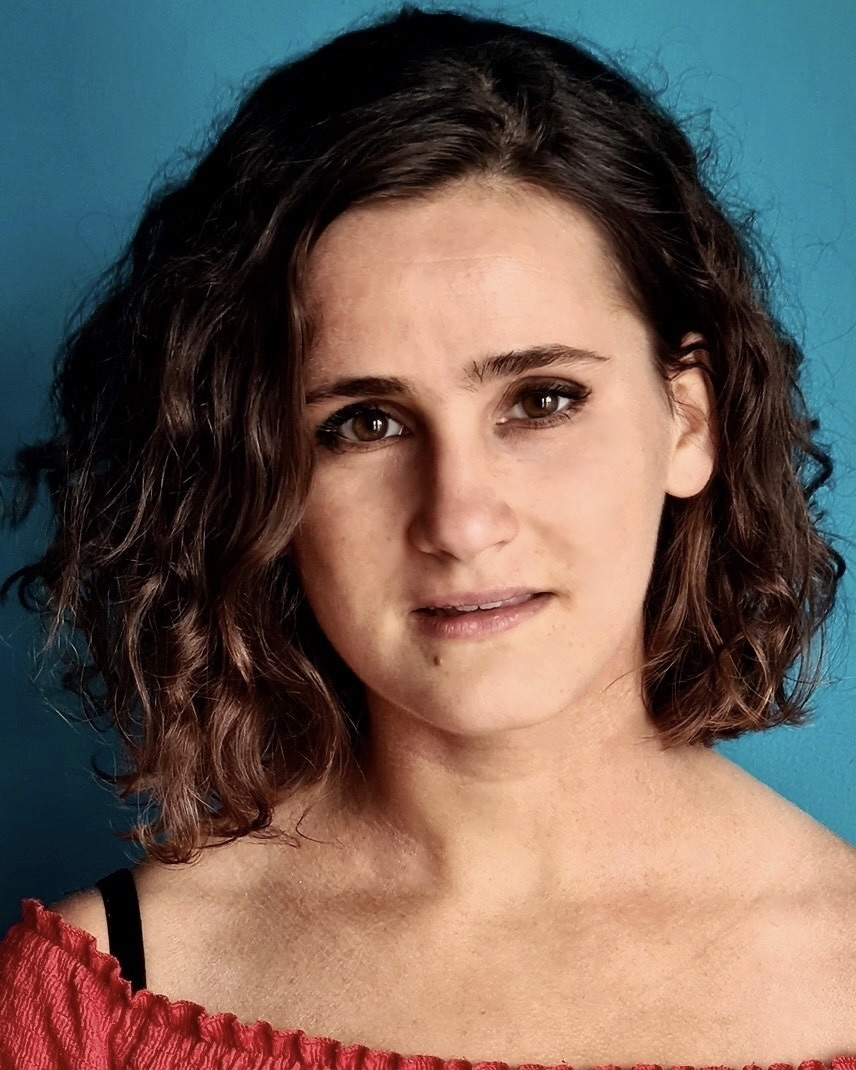
Anna: If they’re laughing one moment, feeling queasy the next and come out thinking how beautiful but deeply weird Berlioz’s music is, we’ll have done our job.
Is Write Club going to be the show’s first time on stage, or have you already performed elsewhere?
There was a very early days 15-minute glimpse of it during a scratch night produced by the En Route Theatre Company at the Golden Goose Theatre. Since then, the play has been completely reworked (including the title) and that new version was longlisted by the Woven Voices prize last Autumn. It’s the first time the full story with its full cast of four actors will be on stage.
What was your inspiration behind the show?
Marie: Blank pages, the idea of lost potential, and what to do once we graduate. I imagined obsessing about a musically summoned figure and thought of Berlioz’s Symphonie Fantastique, which my father used to describe to me as a child. I’m always interested in exploring different visions of life – playing with neurodiversity and relationships that get less spotlight, like friendships that are as important and potentially twisted as any other relationships.
What has been the biggest challenge in realising the writer’s vision for the show?
Anna: It’s a world conjured up, warped and manipulated by music. Berlioz’s Symphonie is the pulse of the show, which means our staging has to be fluid and ready to shift with the beat of a note. The fundamental question is how to keep the figures that Harry and Ophélie are yearning for or avoiding present for the audience, and show their growing power even in scenes where they don’t technically appear.
What was it that drew you to this show and role?
Oliver: I was immediately hooked by the concept: two classical musicians quite literally dancing with the devil. It’s fantastical and nightmarish but grounded in a deeply human need to connect.
Rufus: I was interested by the idea of ambition and how it can slide into a toxic obsession – the lengths and delusions people may go to compete at the highest level, like in Black Swan or Whiplash.

What is it about your character that you most enjoy?
Oliver: Getting to play Harry is thrilling because he is himself a thrill-seeker. His bond with Ophélie is deep and intense, it’s simultaneously the making of him and his downfall.
Anita: The challenge of building a strong physical language for the non-verbal role of Giulia and the opportunity to support new writing exposing complex themes of mental health, music, competition, and obsession.
If your show had a soundtrack, what songs would definitely be on it, and why?
Marie: Berlioz, sure, but I’ve got a whole playlist I call: “the forbidden naughty tapes from the attic.” We go from classical to 80s and 90s classics. Think Human League hanging out with Shostakovich.
What’s the most valuable piece of advice you’ve received during your career, and how has it influenced your work on this show?
Marie: “Live in the problem, not the solution.” That related to acting, how as soon as you’re trying to show results, everything dies. So long as we’re still struggling to figure it out, it’s alive. There’s no little bow to tie it all up at the end of this play. You just have to sit with the mess. Alive.
Thanks to Marie, Anna, Oliver, Rufus and Anita for their time. You will be able to catch The Silence That Follows when it plays as part of Write Club 2026 at The Hope Theatre on Friday 23 and Saturday 24 January.
You can book tickets for this show and find out what else is playing as part of Write Club 2026 via the below link.